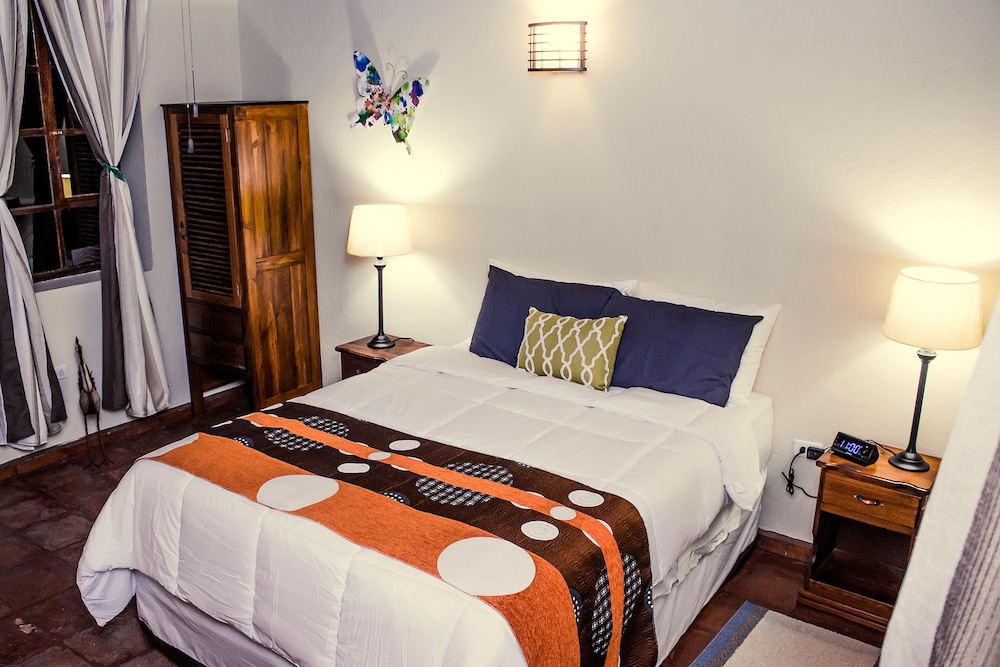
Hotel Montecillos
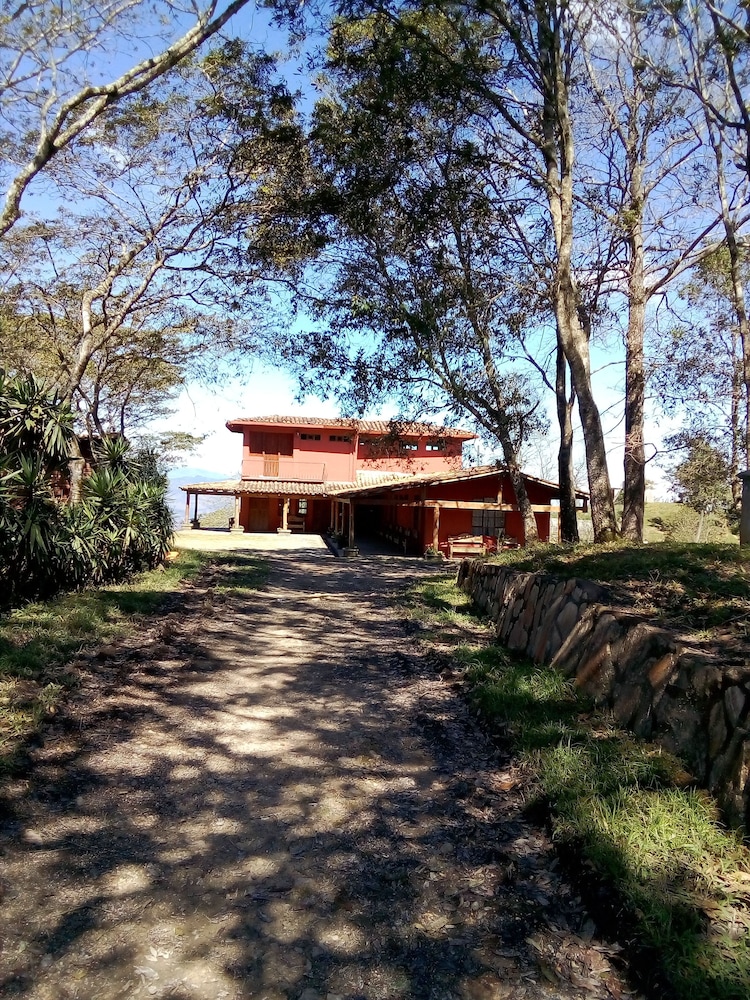
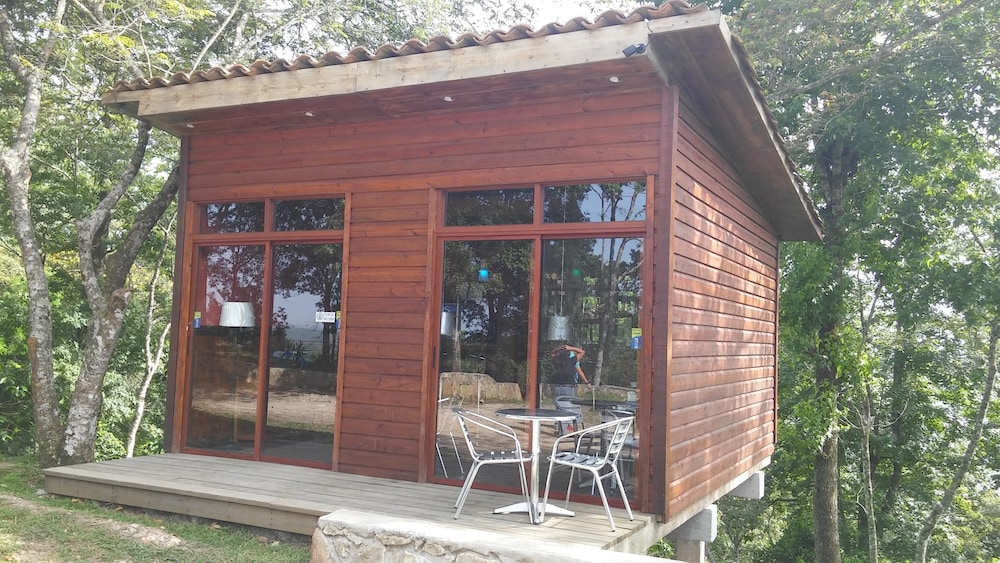
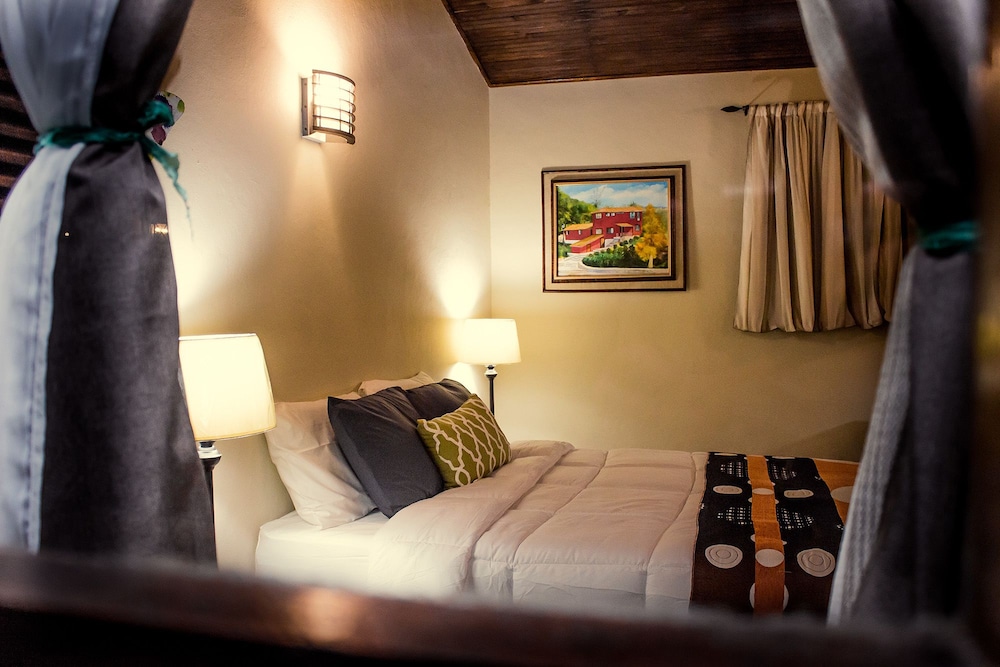
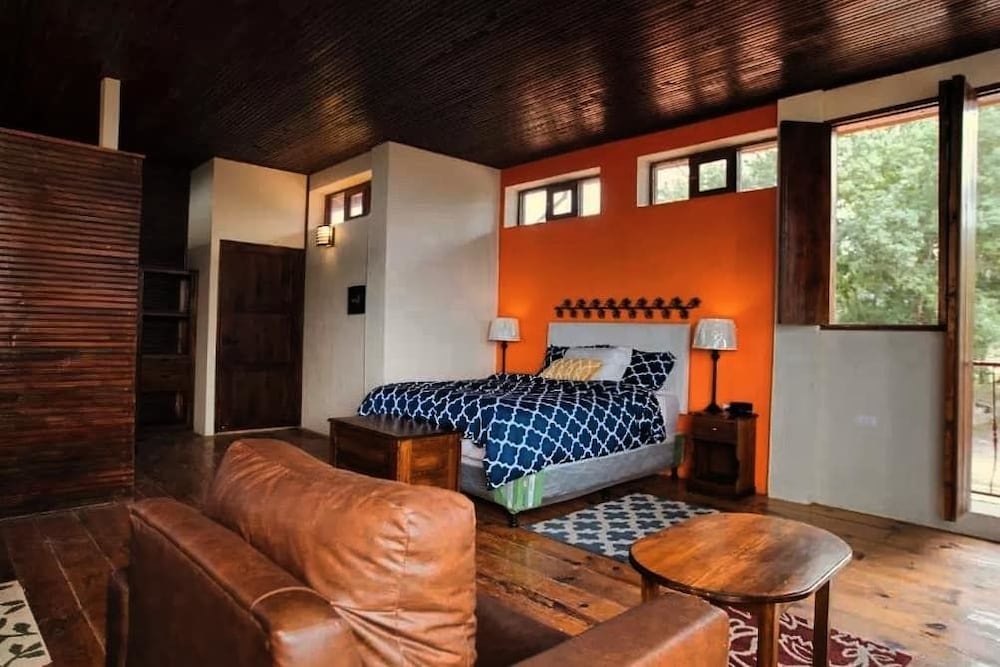
Looking for a straightforward base in La Paz? Hotel Montecillos in San Pedro de Tutule covers the essentials and sits near Aguas Termales de Marcala.
From here, La Paz's main attractions — including Aguas Termales de Marcala — are an easy walk or short ride away, so you spend less time in transit and more time exploring.
Key facts
What’s included
Around San Pedro de Tutule


The La Paz booking trap: two centres, 80 km apart, and cold nights
The mistake visitors make is booking one hotel for the whole trip. La Paz Centro and Marcala are 80 km and about two hours apart on a winding mountain road, and almost everything people come for — Cueva del Gigante, Cascada La Estanzuela, the coffee fincas, the Guajiquiro and Opatoro highlands — sits at the Marcala end, while almost all the airport convenience and the widest room choice sits at the La Paz Centro end. Booking four nights in the valley and driving out daily wastes eight hours of your trip. Split the stay instead, and put the Marcala nights on the days you want an early start for the Estanzuela valley.
Two more things catch people out. First, altitude: Marcala at around 1,300 m and villages like Yarula, Santa Elena and Guajiquiro above 1,500 m get down to single figures on December and January nights, and rooms have no heating — confirm hot water before you book, and pack a fleece even though you are in Honduras. Second, the harvest: from December to March the cooperatives around Marcala bring in visiting buyers and technicians, and the town's few dozen decent rooms are spoken for well in advance, so a booking made three days out in January may leave you in San Pedro de Tutule, 35 km back down the road. The area people wrongly skip is Santiago de Puringla, which sits on that same road and has the coffee slopes and cloud forest edge without any of the harvest-season pressure.
Where to stay in La Paz: which area suits which trip
Stay in La Paz Centro if you want the widest choice of rooms and the shortest transfer, and in Marcala if you have come for coffee, caves and cloud forest. La Paz Centro sits in the Comayagua valley at around 600 m, about 10 km from Comayagua city and roughly 20 km from Palmerola International Airport (XPL), and its small hotels and guest houses run about $18–45 a night. Marcala, 80 km southwest at around 1,300 m, is the department's second base: cooler, greener, and priced at roughly $20–50, with a handful of farm cabins on the surrounding fincas closer to $45–75. Cane, the tiny municipality on La Paz Centro's doorstep, and San Pedro de Tutule, the junction town halfway along the Marcala road, are useful mainly as cheap fallbacks when both centres are full.
The Lenca highlands — Guajiquiro, Opatoro, Yarula, Santa Elena and Chinacla — sit between about 1,500 m and 1,900 m and have very little formal accommodation; what exists is simple hospedaje or community lodging at $12–25, often without hot water, and is worth arranging in person or by phone rather than assumed to be bookable online. Santiago de Puringla, Santa María, San José, San Juan, Cabañas, Tepanguare and Chinampa are coffee and farming municipalities better treated as day trips from Marcala or La Paz Centro. The southern belt — Aguanqueterique, Lauterique, Mercedes de Oriente and San Antonio del Norte — is hot, dry and thinly served; it drops below 400 m in places and has almost no visitor beds, so plan it as a drive out and back from La Paz Centro rather than an overnight.
Best time to visit La Paz, month by month
The best time to visit La Paz is late November to March, when the dry season overlaps with the Marcala coffee harvest and the mountain roads to Guajiquiro and Yarula are passable in a normal car. December to February gives clear days and cold nights: expect 10–14°C after dark in Marcala at 1,300 m and colder still in Santa Elena and Yarula, while La Paz Centro in the valley stays warm. This is also when visiting buyers, cuppers and cooperative staff fill Marcala's small stock of rooms, so rates there sit $10–20 above the low-season floor and the better places go weeks ahead. March and April are the hottest and dustiest months, with valley afternoons around 32–34°C.
Semana Santa, which falls in late March or April, is the single biggest price event in the department — not for anything in La Paz itself, but because Comayagua's sawdust alfombras and processions 10 km away sell out that city's hotels and push visitors into La Paz Centro, where rates can rise 30–50% for four or five nights. The rains run May to October, usually as afternoon downpours rather than all-day weather, broken by the canícula dry spell from mid-July to mid-August. September and October are the wettest and the cheapest, with rooms in La Paz Centro from about $15 and unpaved approaches to Opatoro, Chinacla and Guajiquiro turning slippery. If you want green landscapes and low prices and can accept a 4x4 or a cancelled side trip, book August or September.