Chinacla
A working coffee municipality half an hour from Marcala: farm rooms, red-earth tracks, and absolutely no nightlife.
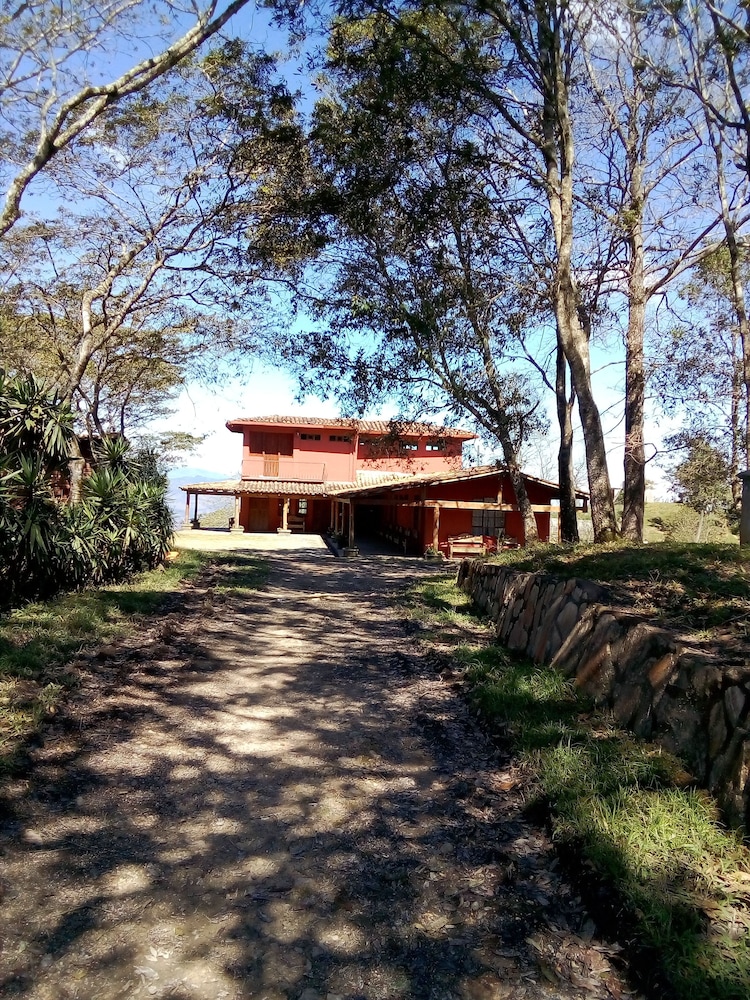
 Shade-grown coffee and scattered houses on the slopes of Chinacla, La Paz, Honduras
Why people stay in Chinacla
Chinacla is a small municipality of scattered coffee villages on the slopes south of Marcala, reached by a road that is paved in stretches and red mud in others. There is a centre — a church, a municipal building, two or three pulperías, a comedor that serves whatever was cooked that morning — but the place really consists of farms strung along ridges at 1,200 to 1,500 metres. If you have ever wanted to see how Honduran smallholder coffee actually works, without a visitor centre between you and it, this is a better address than Marcala.
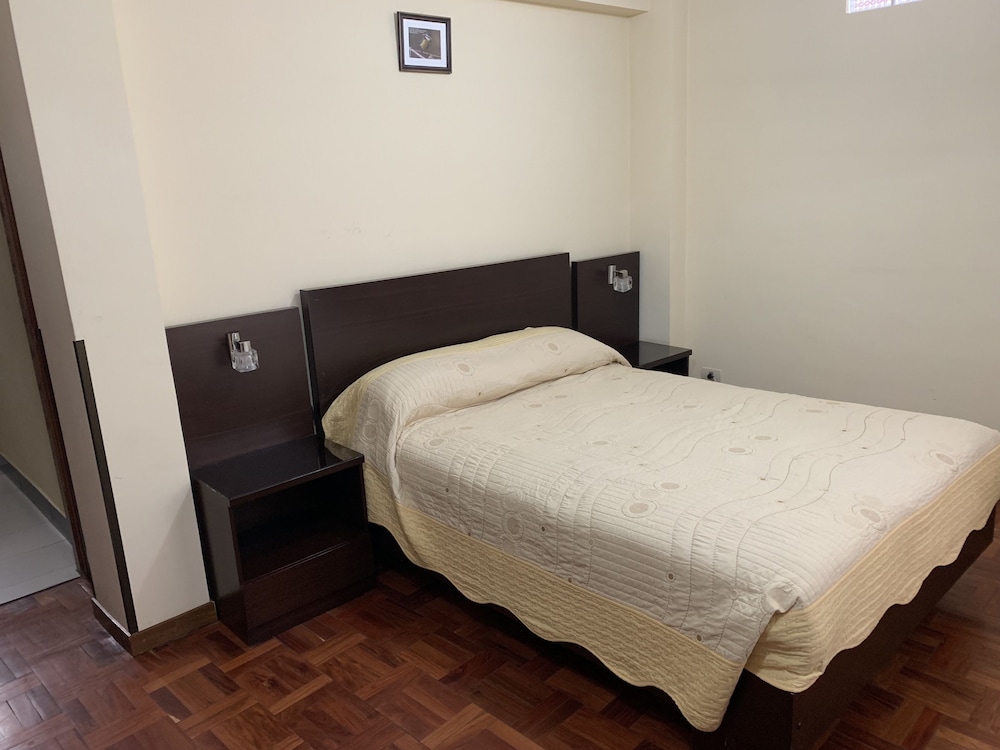
Accommodation is minimal and honest: two or three options, counting farm rooms and a basic hospedaje near the centre, from about $15 to $30 a night. Hot water is not guaranteed; a bucket and a kettle sometimes is. Meals come with the room or from the comedor at $2.50 to $4 for beans, eggs, cuajada, plantain and a stack of tortillas. There is no ATM, no pharmacy worth the name and patchy mobile signal on the far ridges — draw cash in Marcala or La Paz town and carry small notes.
At 9pm Chinacla is dark and quiet apart from dogs and, in harvest season, the hum of a depulper somewhere below. Nobody is going out. What you get instead is the 5.30am shift: pickers moving into the rows with baskets tied at the waist, mist sitting in the valleys, and a sky that is genuinely black at night because there is almost no street lighting. Bring a head torch. Bring a jacket. Bring the fact that dinner will be at 6.30pm and there is no second option.
Come here if you want farm work, farm coffee and long walks on tracks where the only traffic is pickups with sacks in the bed. Skip it if you need any kind of service or entertainment, if you cannot drive an unpaved slope, or if you are travelling between September and early November when the rain turns the access roads to grease and buses cancel. Marcala is 30 to 45 minutes away and has everything Chinacla does not, which is the argument for day-tripping in rather than sleeping here.
Your realistic choices are a room on a coffee farm — arranged through cooperative contacts in Marcala or directly with the finca — or the basic hospedaje near the church in the municipal centre. Budget $15 to $22 for the hospedaje, $25 to $35 on a farm with meals included, and pay a couple of dollars more for a room with its own bathroom rather than the shared one down the corridor. Ask three specific questions before you commit: is there hot water, is there electricity all night, and can a normal car reach the door in wet weather. Avoid rooms with a window onto the main track if you dislike being woken at five by pickups, and avoid arriving without a booking in January, when pickers and buyers take every spare bed in the municipality. Anything above $40 here is somebody trying it on.
Things to do in Chinacla

Farms around the Chinacla centre and along the ridge tracks will let a guest join a picking shift in January and February if you ask the night before. Start at 6am, finish by ten, and understand that pickers are paid by volume — you will be slow, and you will drink your coffee differently afterwards.
During harvest the small wet mills on individual farms run from late afternoon into the night: cherries into the depulper, parchment into fermentation tanks, the sluice channels running red-brown. Ask a farm owner if you can watch. It is the most interesting hour of the day in Chinacla and it costs nothing but respect.

From the church in the centre, take the track climbing east and follow it along the ridge for an hour and a half through coffee, banana shade and patches of pine. Views stretch back toward Marcala. Turn around at the second river crossing unless you have arranged a pickup at the far end.

The streams draining the Chinacla slopes hold cold, shallow bathing pools twenty to forty minutes' walk below the centre, reachable on farm paths. Ask locally which one is running clean — during harvest, mill effluent affects some watercourses. Dry season only; in September these are brown torrents and not worth the walk.

Parchment and roasted beans sell direct from farms here at $4 to $6 a pound, cheaper than in Marcala's cafés and traceable to a specific ridge. Bring your own bag, expect the roast to be light and uneven if it was done on a comal, and buy from someone whose mill you have actually seen.
What to see
Hotels near Chinacla
No hotels are listed in Chinacla yet. The nearest ones are on the region page.
Getting around Chinacla
There is no way to reach Chinacla comfortably without a vehicle or a bus that leaves once. Rural buses and pickup trucks run from the main junction in Marcala, mostly in the morning between 6am and 10am and again around midday, taking 30 to 50 minutes for $1.50 to $2.50 — and the last one back to Marcala typically leaves in early afternoon, so a late start means an unplanned night. A hired pickup from Marcala costs $25 to $40 one way depending on how far up the ridge you are going. A normal car manages the main road in dry weather; from May to November, and always after heavy rain, you want a 4x4 or high clearance. Inside the municipality, movement is on foot or in the back of somebody's truck.
Questions about Chinacla
Only if the coffee itself is your reason for coming. You get farm access, silence and prices around $20 a night, but no restaurants, no ATM and no evening. Most travellers do better sleeping in Marcala at $25 to $45 and coming out here for a morning. Stay if you want the 5.30am picking shift.
Morning rural buses and pickups from the main junction in Marcala, 30 to 50 minutes and $1.50 to $2.50, concentrated before 10am. Returns dry up by mid-afternoon. If you are on a schedule, hire a pickup for $25 to $40 each way and agree the pickup time in writing on the driver's phone.
In the dry season, December to April, a normal car with decent clearance reaches the centre. In the rainy months, particularly September and October, the red-clay sections turn greasy and even locals wait for the truck. If you are renting in Tegucigalpa or San Pedro Sula and plan to come here, pay for the pickup.
The comedor near the centre and whatever your host cooks — that is genuinely the list. A plate of beans, eggs, cuajada, plantain and tortillas costs $2.50 to $4, and the kitchen closes around 7pm. Bring fruit, coffee and snacks from Marcala's market if you are fussy, and tell your host by 4pm if you want dinner.