La Paz Centro
The historic heart of the city, the department capital: cheapest beds near Palmerola airport, every bus to Marcala, and a park that empties by nine.
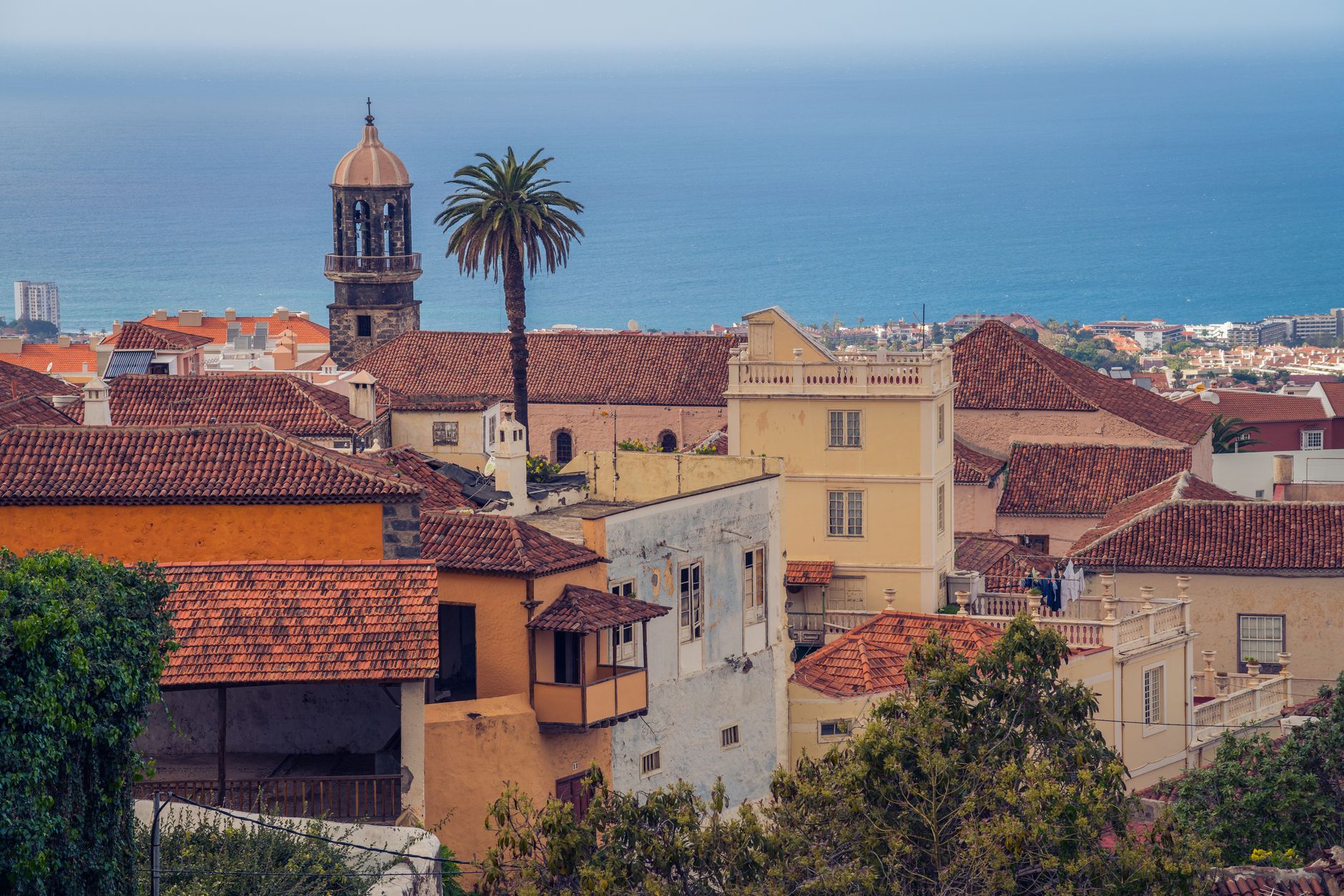
 Central park and parish church in the hillside town of La Paz, Honduras, with the Comayagua valley behind
Why people stay in La Paz Centro
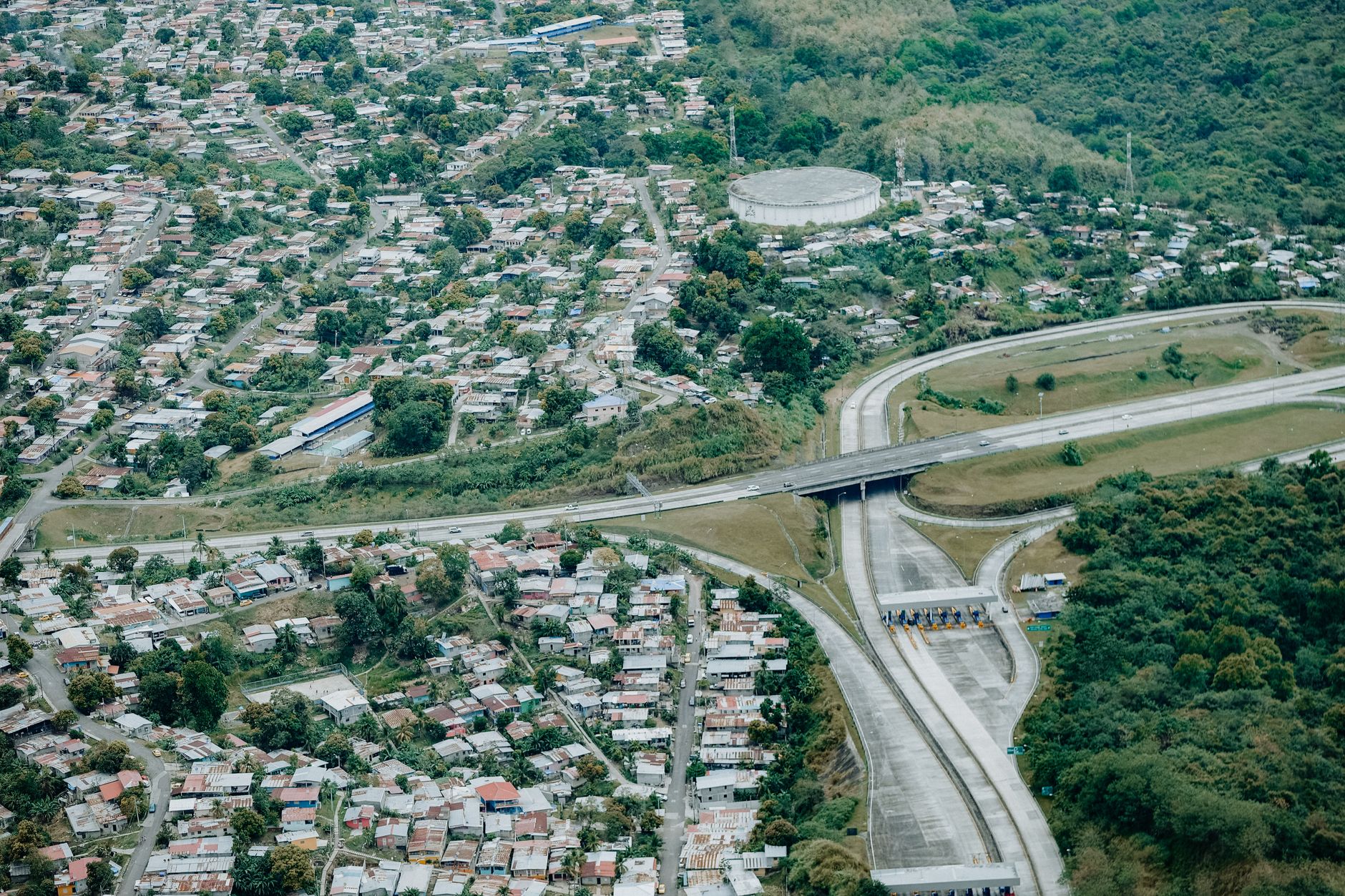
La Paz town is the administrative capital of the department, a hillside grid of maybe twenty thousand people looking down over the Comayagua valley. It is a working town, not a destination: the governor's offices, the courts, three banks, a municipal market that peaks at 6am and is dead by ten. What it does have is position. Palmerola International is a half hour down the hill, Comayagua's colonial centre is fifteen kilometres away, and every bus heading up into the Lenca highlands toward Marcala starts here. That combination is why you would sleep in La Paz Centro.
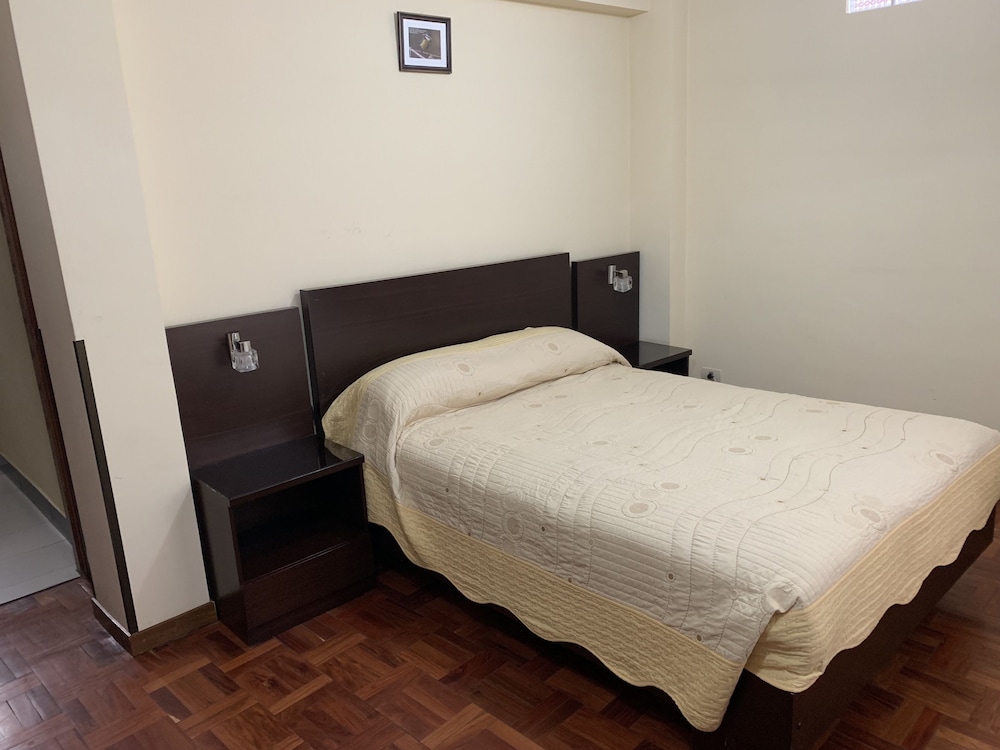
Rooms are the cheapest in the department. Expect $18 to $28 for a clean double with a fan and cable television in the blocks around Parque Central, $35 to $45 for air conditioning, hot water and a locked courtyard for the car at the newer places out toward the Comayagua road. Nothing here costs $80. Nothing here needs to. If your budget for Honduras is under $50 a night and you want a base that puts an airport, a colonial city and coffee country all within an hour, this is the single most efficient bed in the department.
At 9pm the centre is shuttered. The pulperías keep a light on, two or three baleada and pastelito stands work the corners near the park, mototaxis idle in a line waiting for the last passengers off the Tegucigalpa bus, and by ten the loudest thing is a television through an open window. There is no bar scene worth crossing town for. Weekends bring a sound system to the park and a fair amount of Salva Vida on the sidewalk, and during the November municipal fair everything doubles in volume and hotel rooms genuinely sell out.
Skip La Paz Centro if you came to Honduras for architecture — Comayagua next door has the cathedral, the colonial museum and the sixteenth-century clock, and La Paz simply does not compete. Skip it too if you want to walk out of your hotel into cloud forest; that is Opatoro, Santa Elena and Guajiquiro, ninety minutes uphill. Stay here if you land late at Palmerola, if you need banks and a pharmacy and a reliable ATM before heading into the mountains, or if you like small Honduran towns that are not performing for anybody.
The best blocks are the four sides of Parque Central and the two streets running downhill from it in Barrio El Centro — everything you need is inside a five-minute walk, including the bank, the pharmacies and the comedores that serve a full plate of carne asada with tortillas for about $3.50. Expect $18 to $28 for a fan double, $35 to $45 for air conditioning and secure parking. Guesthouses on the Comayagua bypass are newer and quieter but you will pay $1 in mototaxi fares every time you want a plate of food. Two things to avoid: rooms directly above the municipal market, where deliveries start around 4.30am, and any room facing the bus stop block, because the Tegucigalpa buses fire up their engines before dawn. Always ask to see the water heater before paying — many cheap rooms have a suicide shower or nothing at all.
Things to do in La Paz Centro

Parque Central, in front of the parish church, is where the whole town goes between 5pm and 8pm. Shoeshine boys, charamusca vendors, teenagers circling on motorbikes, and men arguing about football on the benches by the bandstand. Buy a bag of green mango with salt and chile for about $0.50 and sit.

The mercado municipal, two blocks downhill from the park, is at full strength between 5.30am and 9am and finished by eleven. Come for Marcala coffee sold loose by the pound at roughly $3, cuajada cheese wrapped in leaves, and a bowl of sopa de res for around $2.50 at the stalls at the back.

Colectivos to Comayagua leave from the highway junction below the centre every fifteen minutes or so, take about 25 minutes and cost around $1.50. The cathedral on the Plaza Central holds the sixteenth-century Moorish clock; the colonial art museum nearby closes for lunch and shuts by 4pm, so go in the morning.

A few blocks from the central park, this is where families come once the heat drops — a shaded circuit, kids on bicycles, someone selling elotes from a cart. It costs nothing, takes twenty minutes to walk end to end, and is the most honest hour in town for photographs of the valley light.

Follow the road climbing out of Barrio Arriba for about twenty minutes on foot and the whole Comayagua valley opens up: cane fields, the town of Cane below, and aircraft lining up for Palmerola. Go before 8am or after 4pm, carry water, and come back down before dark.

Two or three small roasters and shops near Parque Central sell Marcala beans, denomination-of-origin coffee from 1,300 metres, at $5 to $8 a pound — cheaper than Tegucigalpa and often from a single cooperative. Ask for the harvest date; anything roasted more than two months ago is not worth the suitcase space.
What to see
Hotels near La Paz Centro
No hotels are listed in La Paz Centro yet. The nearest ones are on the region page.
Getting around La Paz Centro
From Palmerola International (XPL) a taxi to La Paz Centro takes 25 to 35 minutes and costs $25 to $35 — agree the fare before you get in. Cheaper: airport shuttle or taxi to Comayagua, then a colectivo from the highway to La Paz, about 25 minutes and $1.50. Buses from Comayagüela in Tegucigalpa run through the day, roughly two hours for $4 to $5. Onward buses and minibuses to San Pedro de Tutule, Santiago de Puringla and Marcala leave from the terminal area below the market, most frequently between 6am and 2pm; Marcala is about two hours and $4. Inside town, mototaxis are $0.50 to $1 anywhere and everything central is walkable in ten minutes.
Questions about La Paz Centro
About 30 kilometres, or 25 to 35 minutes by road via Comayagua. Taxis at the terminal ask $25 to $35 for the run, and there is no fixed shuttle to La Paz itself. If you are counting every dollar, take transport to Comayagua and change to a La Paz colectivo for around $1.50.
The blocks around Parque Central are fine until about nine, when the town simply goes to bed and the streets empty. After that, take a mototaxi for $1 rather than walking unlit side streets, especially downhill toward the market. Standard Honduran discipline applies: no phone in your hand, no jewellery, nothing in a back pocket.
Yes, and this is the main reason to base in La Paz. Buses and minibuses climb to Marcala via San Pedro de Tutule in roughly two hours for about $4, with departures concentrated in the morning. If you want to be in a coffee mill during harvest, leave by 7am; the last dependable return from Marcala is mid-afternoon.
Yes — several bank branches and ATMs sit within two blocks of Parque Central, plus a handful of pharmacies open until about 8pm. This is the last reliable place to draw cash before Marcala, and the smaller municipalities such as Yarula, Opatoro and Chinacla have no ATM at all. Take enough small notes for a week.