Marcala
Honduras' coffee capital at 1,300 metres: cupping labs, the Estanzuela waterfall, cave archaeology and cold nights.
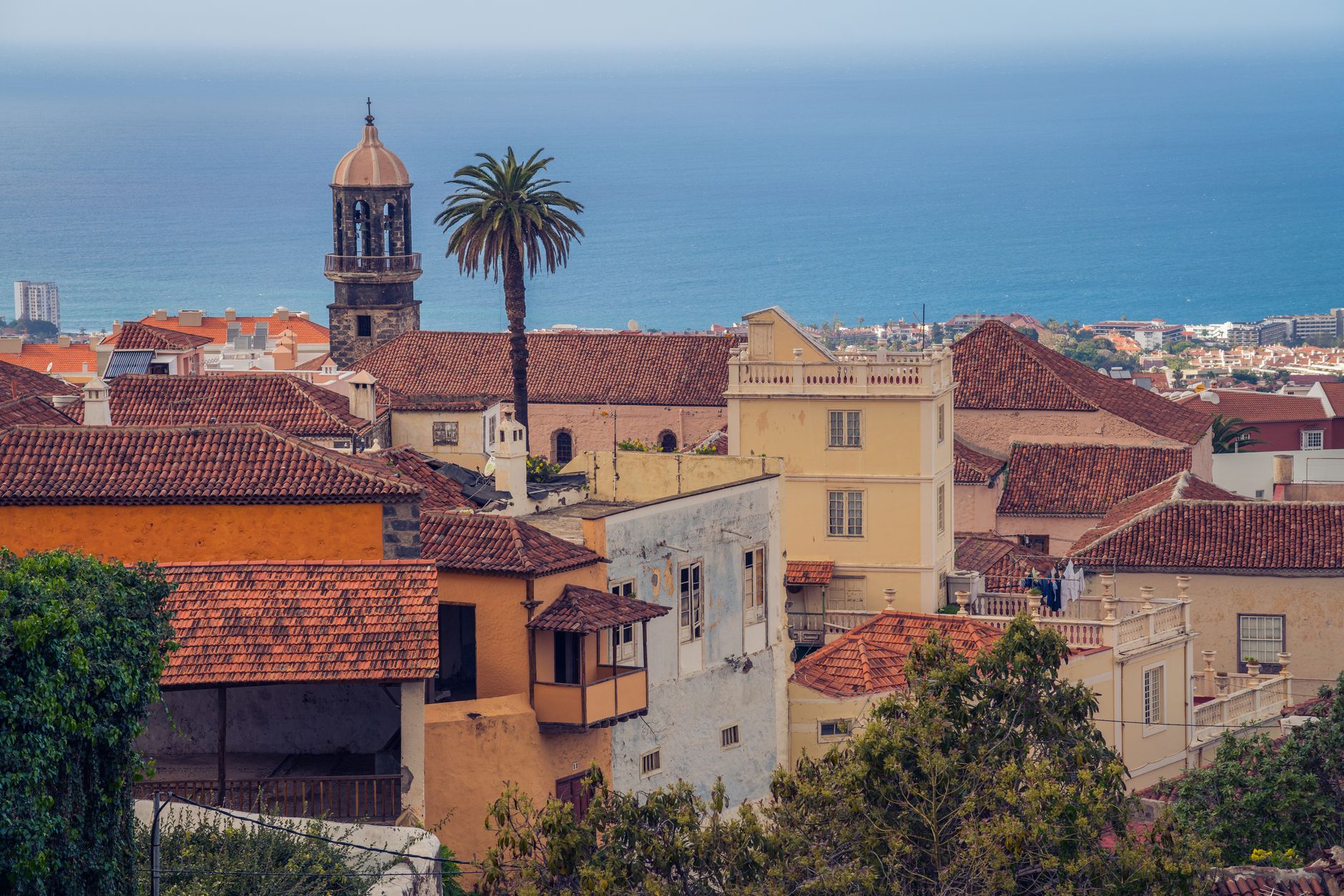
 Coffee drying patios and pine ridges above Marcala, La Paz, Honduras
Why people stay in Marcala
Marcala is the reason foreign visitors come to the department at all. It sits at about 1,300 metres in the western highlands, roughly two hours by road from La Paz town, and it holds the first Honduran denomination of origin for coffee — Café Marcala. In practice that means a small town of low concrete buildings with beneficios, cupping labs and cooperative offices tucked between the hardware shops. During harvest, from roughly December to March, the whole place smells of fermenting coffee mucilage and drying parchment, and pickup trucks stacked with sacks queue on the road out toward Chinacla.
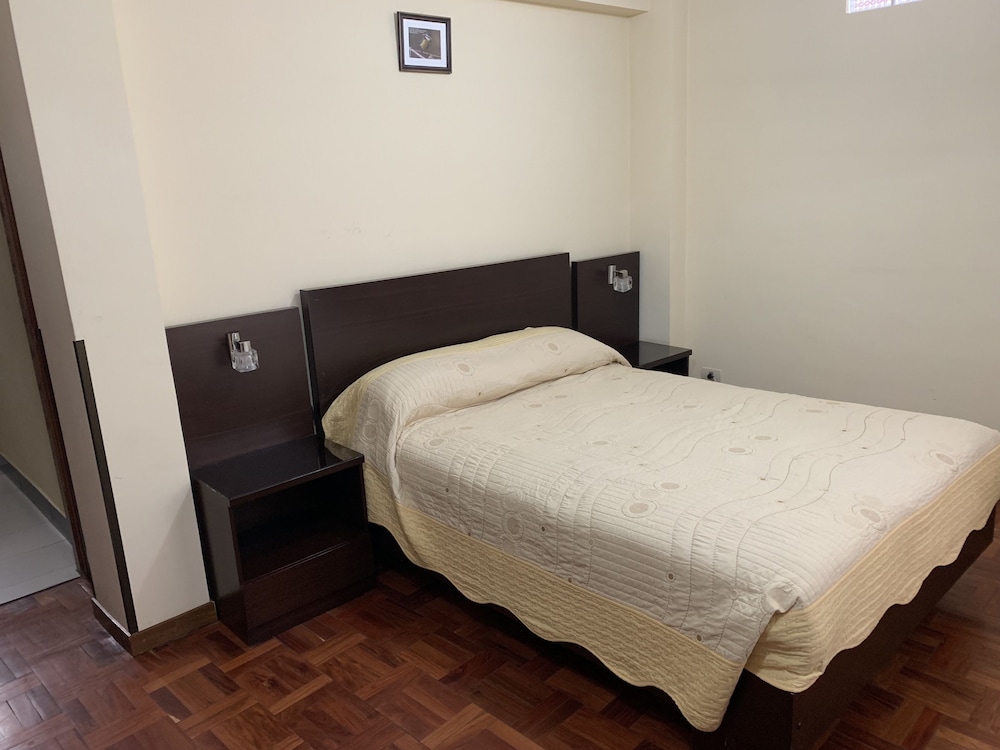
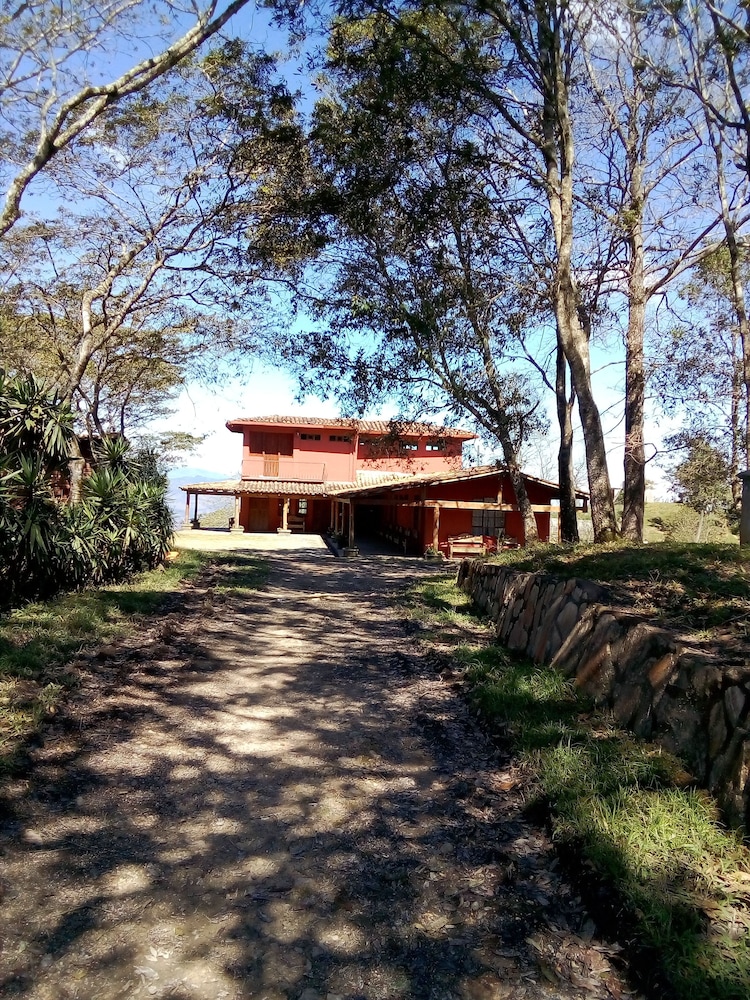
Beds run $22 to $45 for a good double, and above that you are paying for a courtyard, hot water that actually arrives and secure parking rather than luxury. There are perhaps a dozen and a half places to sleep, including a couple of farm lodgings on the coffee slopes just outside town. Book ahead for late January and for the coffee events that bring buyers into town; the rest of the year you can walk in and negotiate. Nights are properly cold by Honduran standards — bring a fleece, and check your room has more than one blanket.
Evenings are the best in the department, which is a low bar cleared easily. Two or three cafés around the central park serve espresso from beans grown fifteen minutes away for $1.50 to $2.50 and stay open to about 8pm; a few bars near the park run to midnight on Friday and Saturday, with reggaeton and punta at volume. Parque Perú and the central plaza fill with families after five. By 9.30pm on a Tuesday, though, you will be choosing between a plate of chuletas at a comedor for $4 and going back to your room.
Marcala suits anybody with an interest in coffee, anyone who wants waterfalls and caves without a tour bus, and budget travellers who like a small town where nothing is priced for foreigners. It suits you less if you need nightlife, a supermarket the size of a city one, or reliable Sunday opening — many mills, offices and the tourism desk shut on Sundays, and half the town closes between noon and 1.30pm. The road up from La Paz is paved but slow; the roads onward to Yarula, Santa Elena and Cabañas are not.
Stay within three or four blocks of the central park and Parque Perú: that puts the cafés, the bus stops, the bank, the pharmacies and the comedores all inside a ten-minute walk, and lets you leave at 5.30am for a mill visit without arranging a car. Expect $22 to $32 for a simple double with hot water, $35 to $45 for a newer room with a courtyard and locked parking, and $40 to $55 for coffee-farm lodging on the ridges two to six kilometres out, usually with breakfast and a mill tour included. Avoid the rooms on the main through-road where the Tegucigalpa buses and cargo pickups start moving before 5am, and be wary of the very cheapest rooms in the market district — they are fine for a night but often have shared bathrooms and no hot water, which matters at 1,300 metres in January.
Things to do in Marcala

Cooperatives around Marcala, including the long-established organic producers on the Chinacla road, run visits from December to March covering picking, depulping, fermentation, patios and cupping. Arrange it a day ahead through the municipal tourism desk on the central park; expect to pay $10 to $20 per person and to start at 7am.

The department's signature waterfall lies about seven kilometres from town on the Río Estanzuela, reached by a dirt access road and a short walk down. Entry is roughly $1 to $2, the pool is cold and deep, and it is busiest on Sunday afternoons. A mototaxi return with waiting time runs about $10 to $15.

One of Central America's most important rock shelters, with occupation layers going back thousands of years and some of the earliest maize evidence in the region. It is a genuine archaeological site, not a show cave: go with a local guide arranged in Marcala, wear boots, and expect a rough drive plus a steep descent into the gorge.
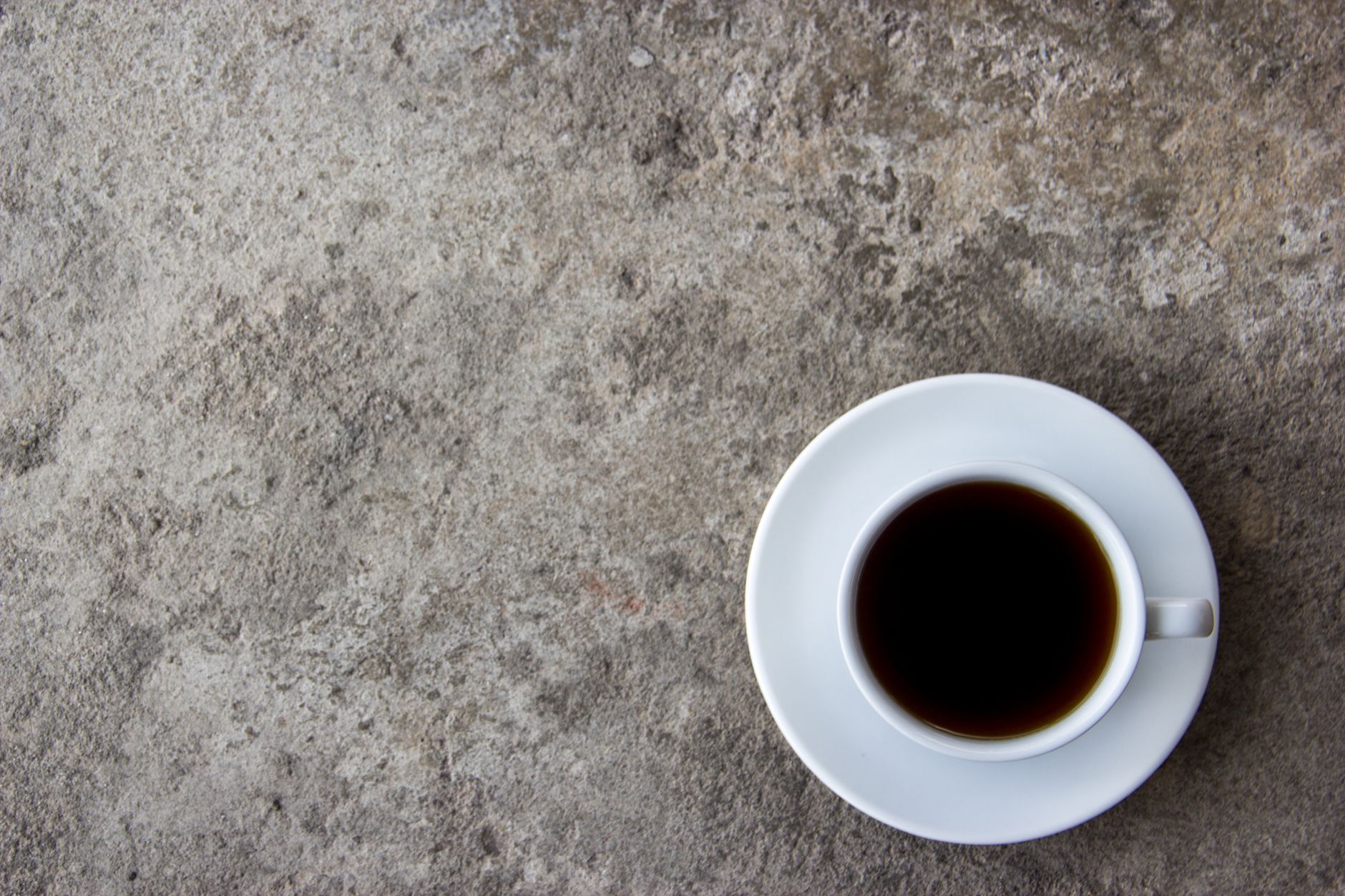
The cafés on and just off the central park pour espresso and pour-over from single cooperatives for $1.50 to $2.50 and sell whole beans at $5 to $9 a pound. Ask for the roast date and the altitude of the lot; the staff usually know both, which is not true in Tegucigalpa.

Marcala's parks fill between 5pm and 8pm — kids on bicycles, sports on the concrete court, women selling atol de elote and tajadas from carts for under $1.50. It is the cheapest hour of entertainment in the highlands and the easiest place to end up talking to people who actually grow the coffee.

The market area near the main junction is at its fullest early on Saturday, when producers come down from Chinacla, Cabañas and the Nahuaterique highlands. Cuajada, panela, wild honey, red beans by the pound, and pineapple sold in bags. Be there by 7am; by eleven the good stalls are packing up.
What to see
Hotels in Marcala
No hotels are listed in Marcala yet. The nearest ones are on the region page.
Every hotel we cover in Marcala
Getting around Marcala
Direct buses link Marcala with Comayagüela in Tegucigalpa in about four hours for $8 to $12, with the long-running Marcala lines leaving early — the first departures are before 5am and the last useful one is mid-afternoon. From La Paz town, minibuses climb via San Pedro de Tutule in roughly two hours for $4. From San Pedro Sula, go via Siguatepeque and La Esperanza and allow most of a day. Palmerola airport is about three hours away by taxi at $80 to $120, so most people take a taxi to Comayagua and a bus onward. In town, everything central is walkable; mototaxis charge $0.50 to $1, and for Estanzuela, Chinacla or Cabañas you either hire a pickup or catch the morning rural buses that leave from the main junction.
Questions about Marcala
Roughly December through March, with the peak in January and February at the higher altitudes. That is the only time you will see picking, depulping and full drying patios in action. Mills are busiest at 6am to 10am; if you want a serious tour rather than a walk-through, book a day ahead and be ready to start early.
Hire a mototaxi from the central park for a return trip with waiting time, around $10 to $15, or share a pickup heading that way in the morning. Entry to the falls is about $1 to $2. Go in the morning: afternoon rain from May to October makes the access track slick and the pool murky.
You should not. Access crosses private land and a steep gorge, and the site is archaeologically sensitive, so arrange it through a local guide or the municipal tourism desk in Marcala. Expect a rough vehicle transfer plus a demanding walk, sturdy boots and half a day. It is not suitable in heavy rain.
Yes, by Honduran standards. At 1,300 metres, December to February nights drop into the low teens Celsius and rooms are unheated. Bring a fleece and long trousers, ask for a second blanket, and pay the extra $8 to $10 for a room with working hot water rather than a cold shower at 6am.