Cabañas
Small farming municipality west of Marcala on the frontier side: pine, coffee, cheap family rooms, early nights.
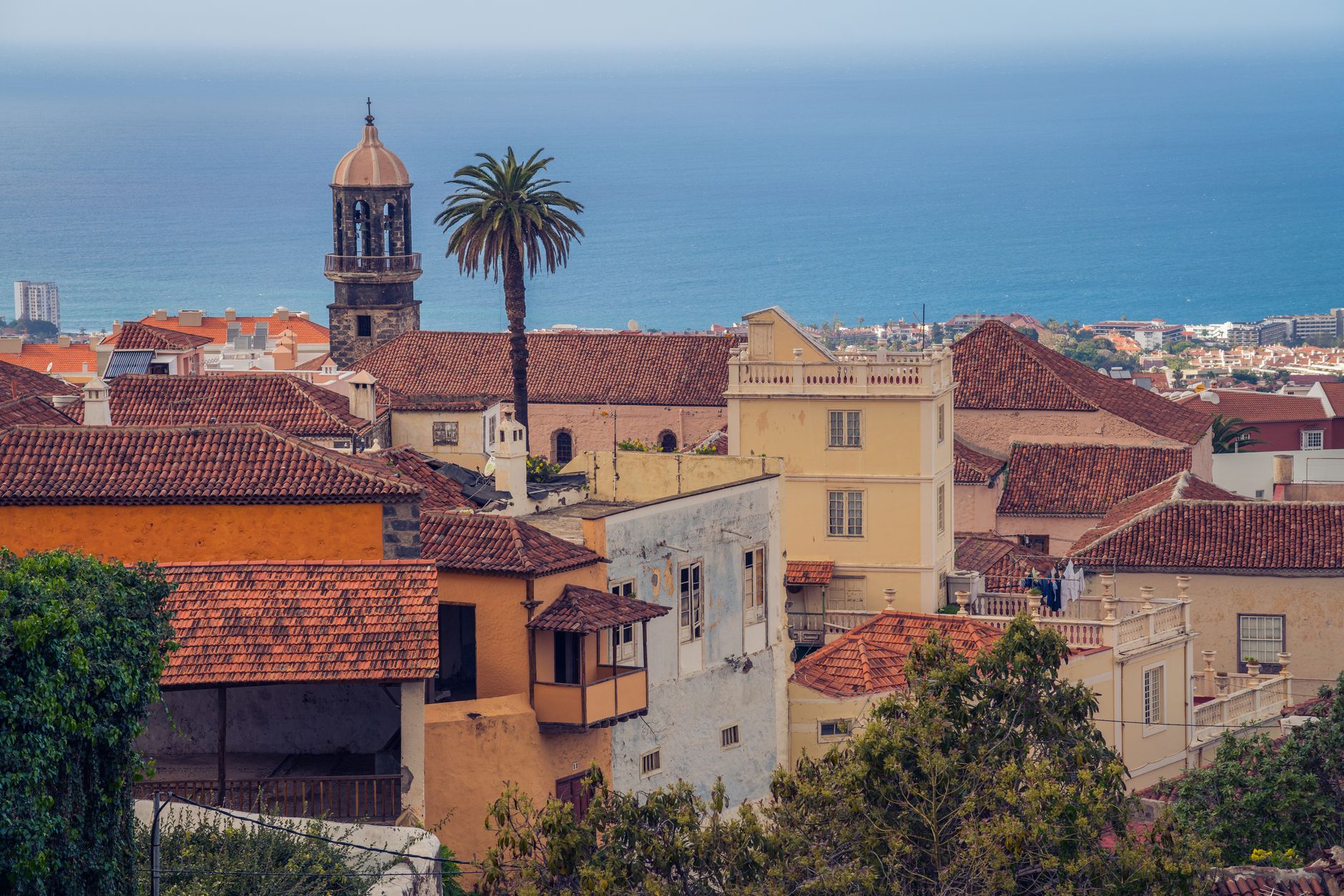
 Pine slopes and small farms in Cabañas, La Paz, Honduras, near the Salvadoran frontier
Why people stay in Cabañas
Cabañas is a modest farming municipality in the western corner of the department, a short run from Marcala on the frontier side of the highlands, where pine forest, coffee plots and pasture mix at around 1,300 to 1,500 metres. The town itself is small — church, plaza, municipal building, a scatter of shops — and the interest lies outside it: the Nahuaterique highlands, the pocket of territory confirmed to Honduras by the International Court of Justice in 1992, lie in this general country, and the local sense of border, land and identity is unlike anywhere else in La Paz.
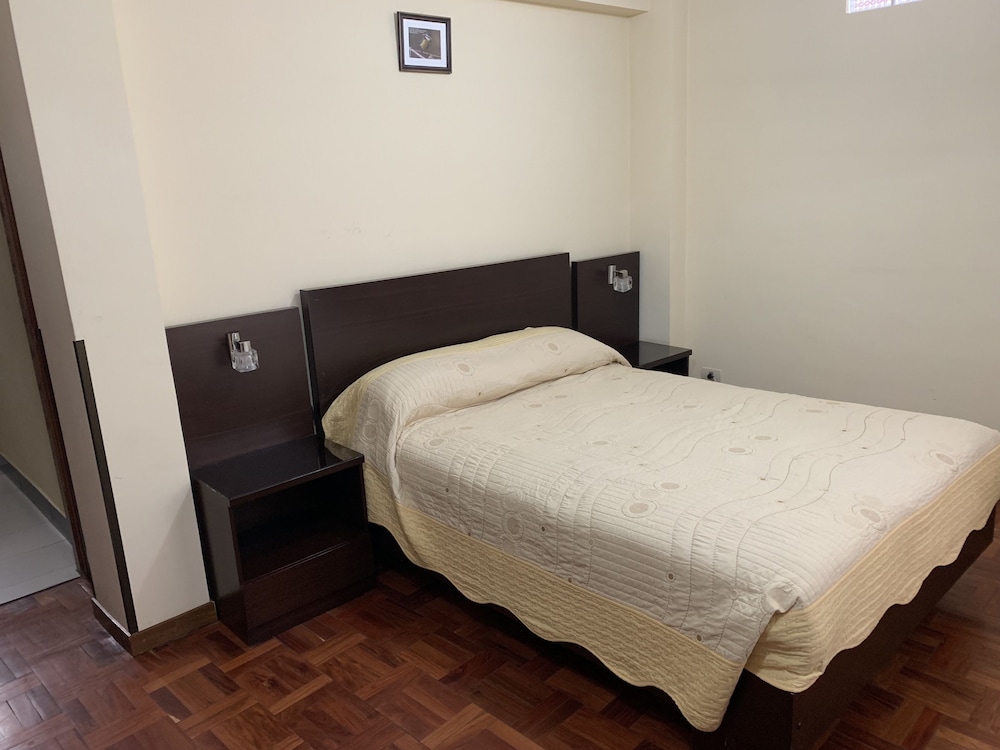
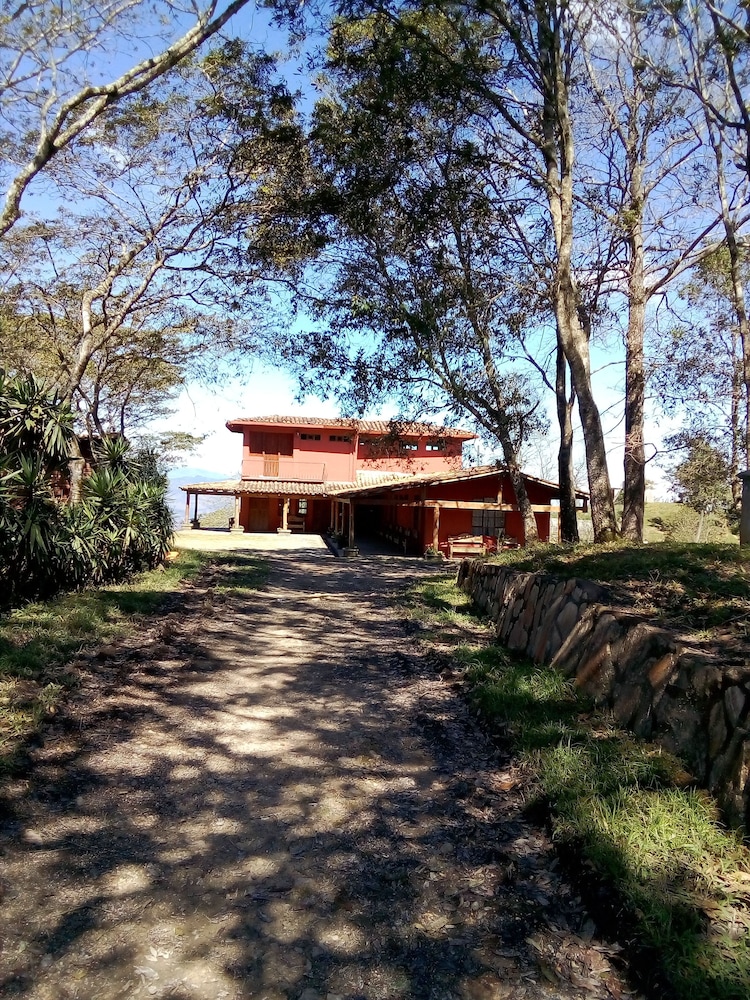
There are two or three places to sleep, from $12 to $30, all of them family-run and none of them advertising. The realistic pattern is that visitors sleep in Marcala at $25 to $45 and come here for a half day. If you do stay, meals are with your host or at the comedor by the plaza at $2.50 to $4, and both stop serving by about seven. Change money and stock up on anything you need in Marcala; there is no ATM and no serious pharmacy here.
By 8.30pm Cabañas is quiet. Weekend evenings bring a sound system somewhere and the church draws a crowd for services, but that is the extent of it. The daytime rhythm is much livelier: coffee moving out on pickups during harvest, cheese and vegetables moving down to the Marcala Saturday market, and border traffic on the tracks that lock into Salvadoran roads. Ask before wandering toward the frontier itself, carry your passport in this zone as a matter of routine, and do not photograph anything that looks official.
Come for the landscape, the frontier history and a genuinely unvisited highland town. Do not come expecting anything organised — there are no ticketed sites, no rental bicycles, no guiding office. Do not come between mid-September and early November unless you have a 4x4, because the unpaved links soften and pickups get cancelled. And do not plan on evening onward travel: everything out of Cabañas moves in the morning, and by three in the afternoon your options are your own vehicle or another night.
Sleep in the two or three blocks around the plaza and church, which is where the transport, the shops and the one comedor are. Family rooms and basic hospedajes run $12 to $30; the questions that matter are private bathroom, hot water and whether the electricity is stable, since storms cut it. Confirm whether meals come with the room, and if so tell them by mid-afternoon that you want dinner — nothing will be cooked at eight because you turned up hungry. Rooms out in the aldeas are cheaper and prettier but strand you without a vehicle. Skip anything that quotes over $40; the ceiling in this municipality is genuinely low, and if you want a comfortable bed with reliable hot water, that decision means staying in Marcala and driving the 30 to 45 minutes each way.
Things to do in Cabañas

The high ground west of Cabañas, awarded to Honduras by the ICJ in 1992, is pine ridge and small farm land with a border-zone atmosphere you find nowhere else in the department. Go with a local driver who knows the tracks, carry your passport, and treat the frontier itself as a look-and-leave, not a crossing point.

Producers from Cabañas take cheese, vegetables, panela and coffee down to Marcala's market before dawn on Saturday. Riding along in a pickup for a couple of dollars gets you the best hour of the week: the whole highland supply chain compressed into a truck bed at 5am, and a full breakfast in Marcala for $3.

Tracks climb out of the upper streets into managed pine within twenty minutes of the church, opening onto views across to the Salvadoran ranges. Ninety minutes up and back is enough for the whole picture. Start early — cloud and afternoon thunder build fast from May to October, and there is no shelter on the crest.

Coffee here is smallholder work: a hand depulper, concrete fermentation tanks, a patio of parchment turned by rake. Ask around the plaza during December to February and someone will show you theirs. Expect no fee, expect to be given coffee, and buy a pound at $4 to $5 on the way out.

Cuajada and quesillo from the pastures around Cabañas is some of the best in the department, sold in leaf-wrapped rounds for $2 to $4, and panela comes in dark blocks for about $1. Ask at the shops by the plaza who has fresh stock today; nothing is kept for long at this altitude.
What to see
Hotels near Cabañas
No hotels are listed in Cabañas yet. The nearest ones are on the region page.
Getting around Cabañas
Marcala is the hub for everything. Minibuses and pickups run from the main junction there to Cabañas in 30 to 60 minutes for $1.50 to $3, mostly early morning with a midday service, and the last return usually leaves in the early afternoon. Hiring a pickup costs $30 to $50 one way. From Tegucigalpa, take a Marcala bus from Comayagüela — about four hours, $8 to $12 — and change; from La Paz town, two hours to Marcala at $4 and change again. A normal car handles the main approach in dry weather, but from May to November high clearance is strongly advised and a 4x4 is the sensible call. Inside the municipality, walking and hitching truck beds is the whole system.
Questions about Cabañas
Not on a casual basis. The tracks in this frontier country are local routes, not staffed international crossings, and the proper crossings are elsewhere. Treat the border here as scenery: carry your passport, do not photograph military or border personnel, and if you actually need to enter El Salvador, plan it through a recognised crossing point.
Nahuaterique was one of the disputed pockets between Honduras and El Salvador, confirmed as Honduran territory by the International Court of Justice in 1992, leaving families and land ties spanning the line. In these highlands you still hear about it in the way people describe schools, land papers and where relatives live. It shapes local conversation more than any monument does.
For most people, yes — or no nights at all. The town is small, the sights are the ridges, the coffee mills and the frontier country, and you can cover that between a 7am arrival and a 2pm bus back to Marcala. Stay over only if you want the market pickup run at 5am on Saturday.
Marcala, 30 to 60 minutes away, which has bank branches, ATMs and pharmacies open into the evening. Cabañas has shops, not services, and no card payment worth relying on. Draw enough cash for several days in Marcala or La Paz town, keep it in small notes, and bring your own medicines.