Santa Elena
One of the coldest towns in the department: pine ridges, strong Lenca tradition, tiny hospedajes, nothing open after seven.
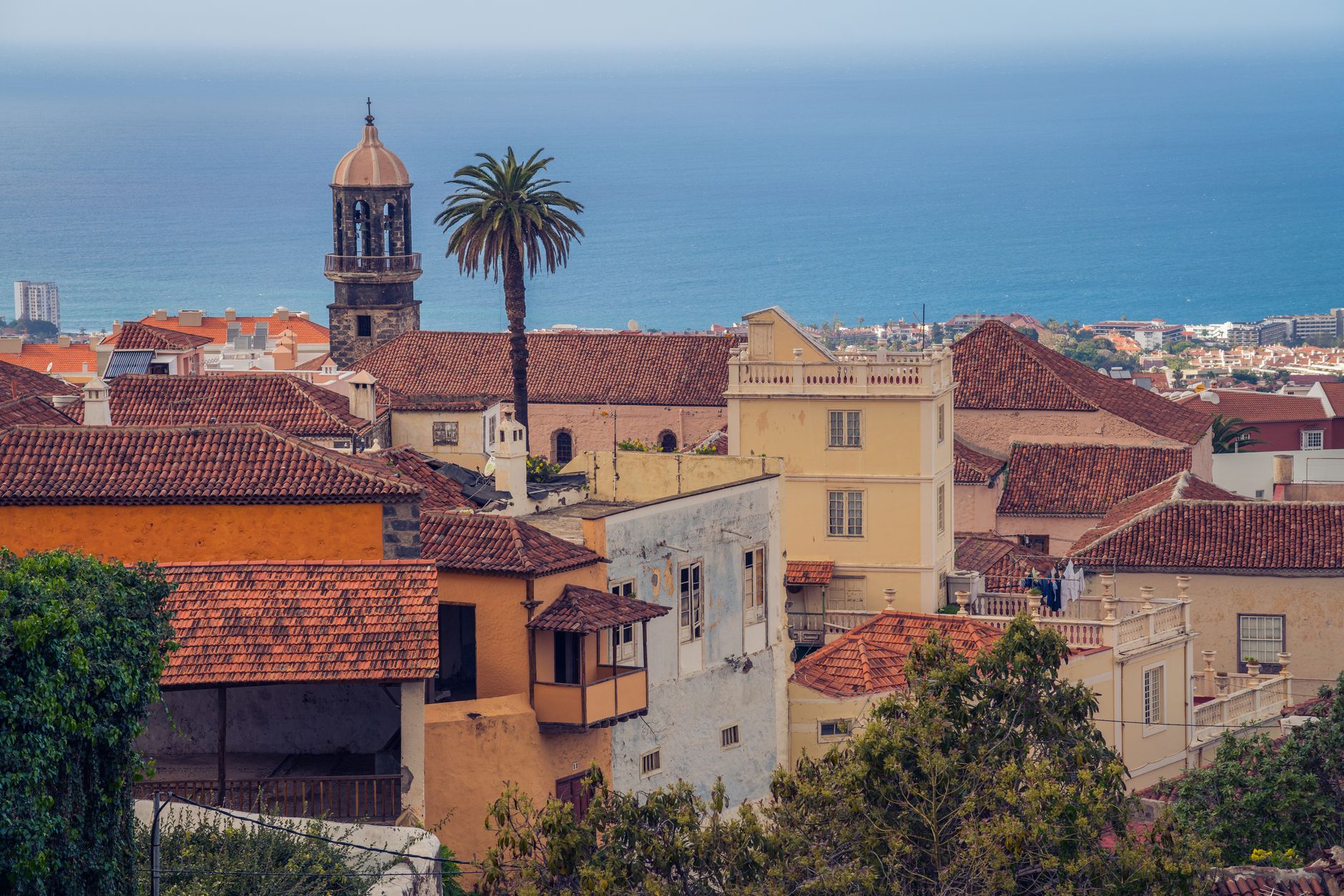
 Pine ridges and tiled roofs in the high Lenca town of Santa Elena, La Paz, Honduras
Why people stay in Santa Elena
Santa Elena sits high and cold in the western corner of the department, up beyond Marcala on roads that alternate between rough pavement and gravel. It is one of the strongest Lenca municipalities in Honduras: community organisation, guancasco traditions between neighbouring towns, and a market day where you hear as much about land and water as about prices. The landscape is pine forest and steep grassland rather than tropical anything — think 1,600 to 1,800 metres, morning fog, woodsmoke, and January nights that make visitors ask, quite seriously, whether the hotel has a heater. It does not.
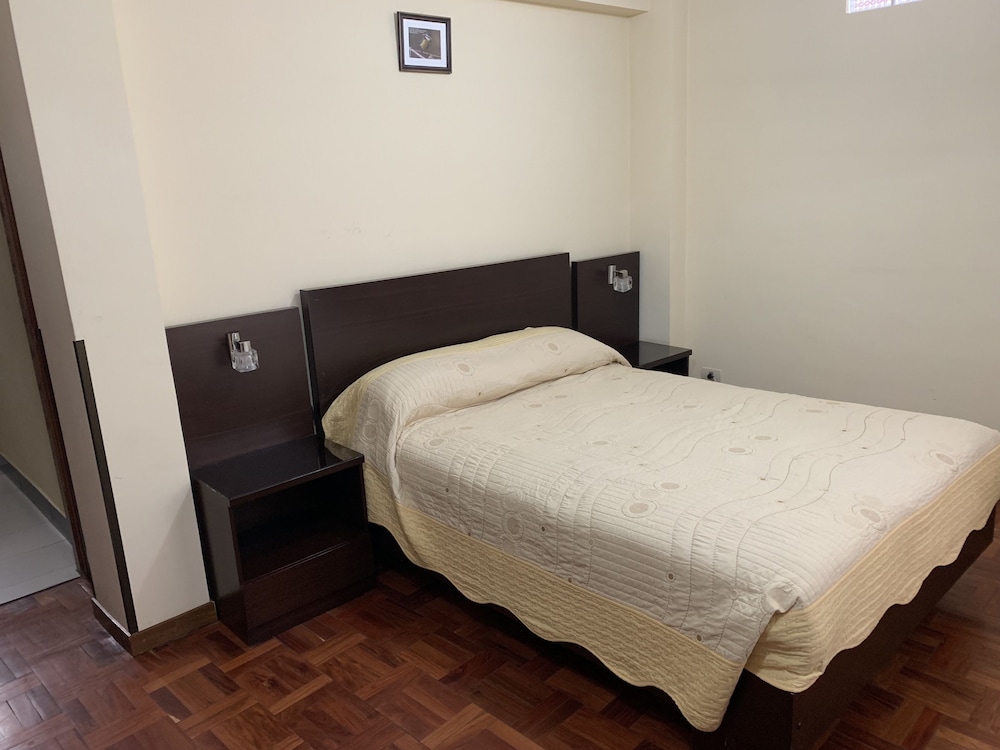
Sleeping options are a handful of hospedajes and family rooms, roughly $12 to $25 a night. At the low end that means a bed, a bulb, a shared bathroom and a bucket. At $25 you might get a private bathroom and hot water at certain hours. Nobody in Santa Elena is competing on thread count, and the honest way to travel here is to accept that and spend the difference on a guide and a pickup. Meals run $2.50 to $4 at the comedores near the plaza, closing around 7pm — later than that and you are eating crackers from a pulpería.
By 9pm the town is asleep and cold. There is no bar culture, and drinking is generally a private, male and fairly heavy affair rather than something visitors join. What there is instead: a plaza that fills at 4pm as school lets out, an evening church service most days, and complete darkness on the ridge tracks with an extraordinary sky when the fog lifts. Bring a torch, a hat and warm socks, and expect to be in bed by nine because everyone else is.
This is a place for people who want highland Honduras without any tourism infrastructure at all — walkers, anyone interested in Lenca culture and community forestry, photographers who like fog. It is a bad idea if you need comfort, if you cannot deal with rough roads, or if you are travelling in late September and October when the rains cut the gravel sections and buses stop running. Do not treat it as a scenic stop on a tight itinerary: getting in and out eats most of a day from Marcala.
Base yourself within two or three blocks of the plaza and the church — it is the only part of Santa Elena with food, transport and mobile signal reliably in the same place. The hospedajes there charge $12 to $25; the deciding factors are whether the bathroom is private and whether hot water exists, and both are worth an extra $5. Ask specifically what time the water is switched on, because in some houses it is heated for a window in the morning only. Family rooms in the aldeas outside town are cheaper still and far more interesting, but you need a way in and out, which means a hired pickup at $30 to $50. Avoid arriving unannounced during the patron saint fiesta or a guancasco, when everything fills, and avoid ground-floor rooms in the wet season: at this altitude they stay damp for days, and your boots will not dry.
Things to do in Santa Elena

The weekly market around the plaza in the town centre starts before 6am and thins by ten. Highland potatoes, cabbage, wheat products, cuajada, wool textiles, and coffee from the surrounding aldeas. Prices are what locals pay — a pound of coffee $3 to $5 — and nobody is set up to sell you a souvenir. Bring cash in small notes.

From the upper edge of the town, past the last houses, forest tracks climb into managed pine at 1,800 metres or so. Ninety minutes up gets you views across to the Nahuaterique highlands and Salvadoran ridges on a clear morning. Go early: fog usually closes in by eleven and afternoon storms build fast from May to October.

The guancasco — a ceremonial exchange of visits and saints between Lenca communities — is still practised in this corner of La Paz and neighbouring Intibucá. Dates vary by town and year, so ask at the municipal office or the church rather than trusting the internet. If one falls while you are here, everything else you planned can wait.

The comedores off the plaza open around 6am for pickers and traders: beans, eggs, cuajada, fried plantain, thick corn tortillas and a mug of coffee, all in for $2.50 to $3.50. It is the same food you get everywhere in the highlands, but at this altitude, on a 10-degree morning, it lands very differently.
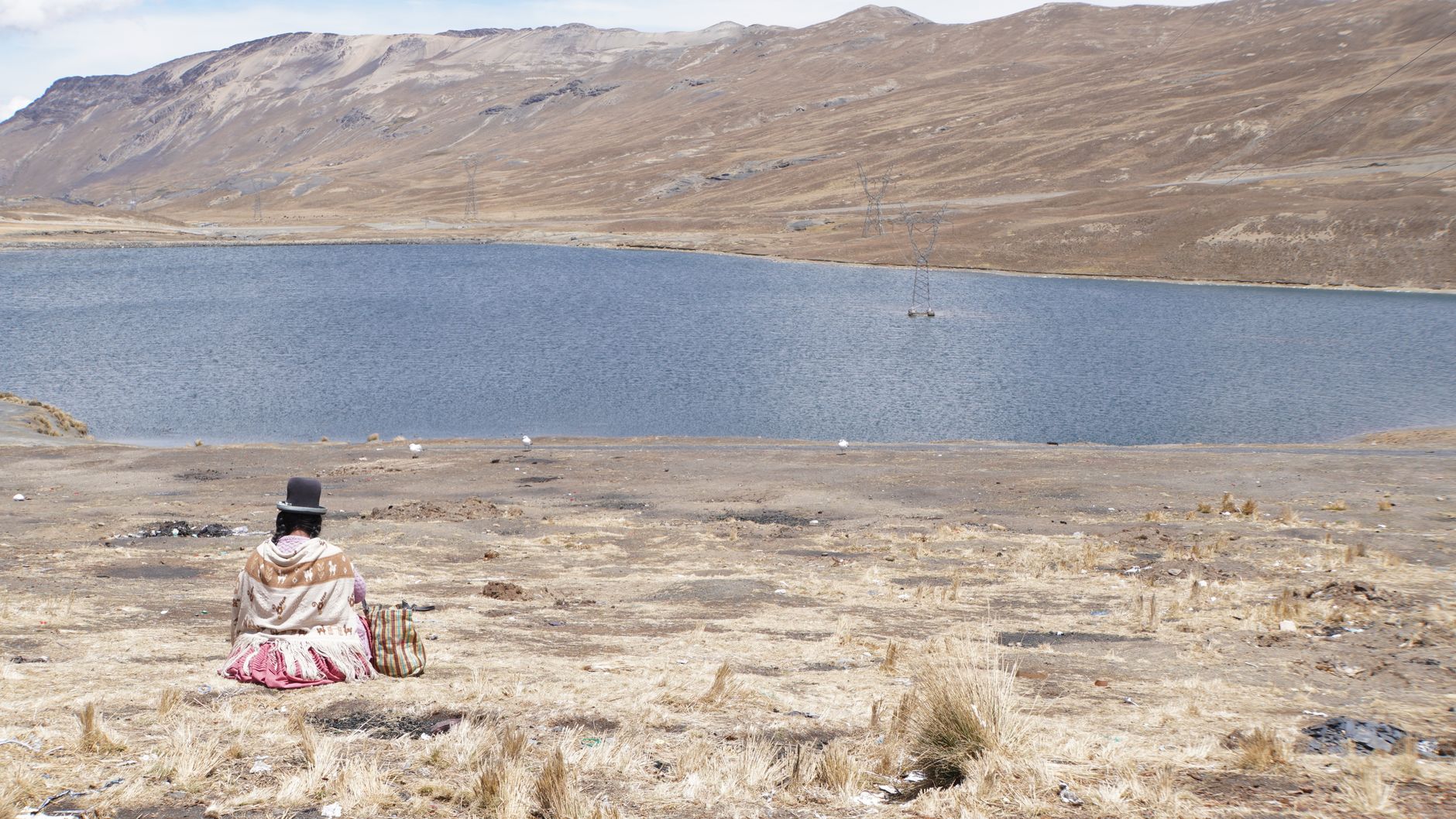
Yarula lies close by on the same high road, and the drive or walk between the two is the best hour of scenery in the municipality — grassland, pine, scattered adobe with tiled roofs. Pickups make the run in 30 to 45 minutes for a couple of dollars. Check return times before you set off; there are few.

Walk to the edge of town after 7.30pm on a dry-season night, away from the two or three streetlights, and the sky is as good as anywhere in Honduras — no haze, no light dome, nothing. Take a torch for the way back, wear a jacket, and tell your hospedaje you are going out.
What to see
Hotels near Santa Elena
No hotels are listed in Santa Elena yet. The nearest ones are on the region page.
Every hotel we cover in Santa Elena
- La Casona Hotel Boutique 3★ · 4.3/5
- Residencial Alta Vista 3★ · 4.1/5
- Lobo Hostel La Paz 1★
Getting around Santa Elena
Marcala is the gateway: minibuses and pickups leave the main junction there for Santa Elena in the morning, roughly 1.5 to 2.5 hours depending on the state of the gravel, for $3 to $5. Departures are few and largely finished by early afternoon, and the last return to Marcala usually leaves before 2pm — miss it and you are staying. A hired pickup from Marcala costs $50 to $80 return with waiting time. From Tegucigalpa, take a Marcala bus (about four hours, $8 to $12) and change; do not attempt the whole journey in one afternoon. Inside the municipality there is no public transport at all: you walk, or you pay for a truck to reach the aldeas. High clearance is not optional in the wet season.
Questions about Santa Elena
Nights from December to February commonly fall to around 8 to 12 degrees Celsius, and the fog makes it feel colder. No accommodation has heating. Pack a fleece, a windproof layer, warm socks and a hat, ask for extra blankets when you check in, and do not count on hot water being available in the evening.
Only with a hired vehicle. Public pickups arrive late morning and turn round early afternoon, giving you barely two hours in town. If you want the market plus a ridge walk, sleep one night for $12 to $25 — it is cheap, and the alternative is spending five hours on the road for lunch.
Ask first, in Spanish, and accept no gracefully — this is a Lenca community that has had plenty of visitors treat it as scenery. Buying something first changes the conversation entirely. Never photograph ceremonies, guancasco processions or children without explicit permission from the adults involved.
No dependable ATM, and only a basic pulpería-level supply of medicines. Draw all your cash in Marcala or La Paz town and bring your own first-aid kit, altitude-appropriate clothing and any prescription you need. The nearest real pharmacies and banks are in Marcala, 1.5 to 2.5 hours away on a road that does not run at night.