
Ritz Apart Hotel
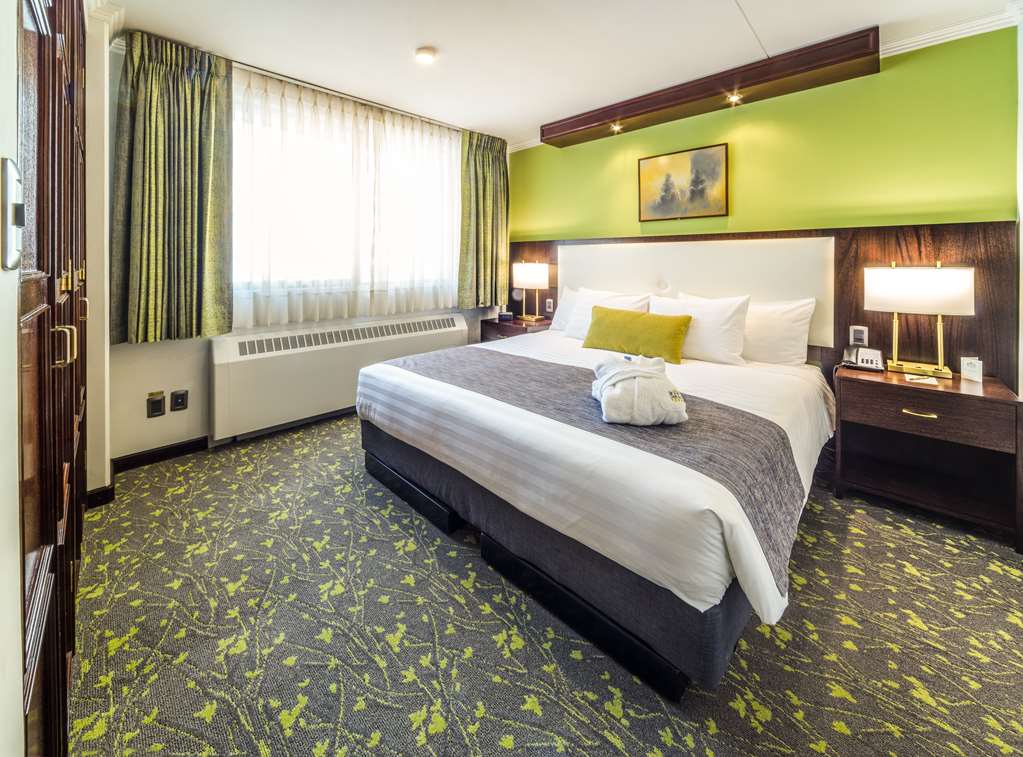
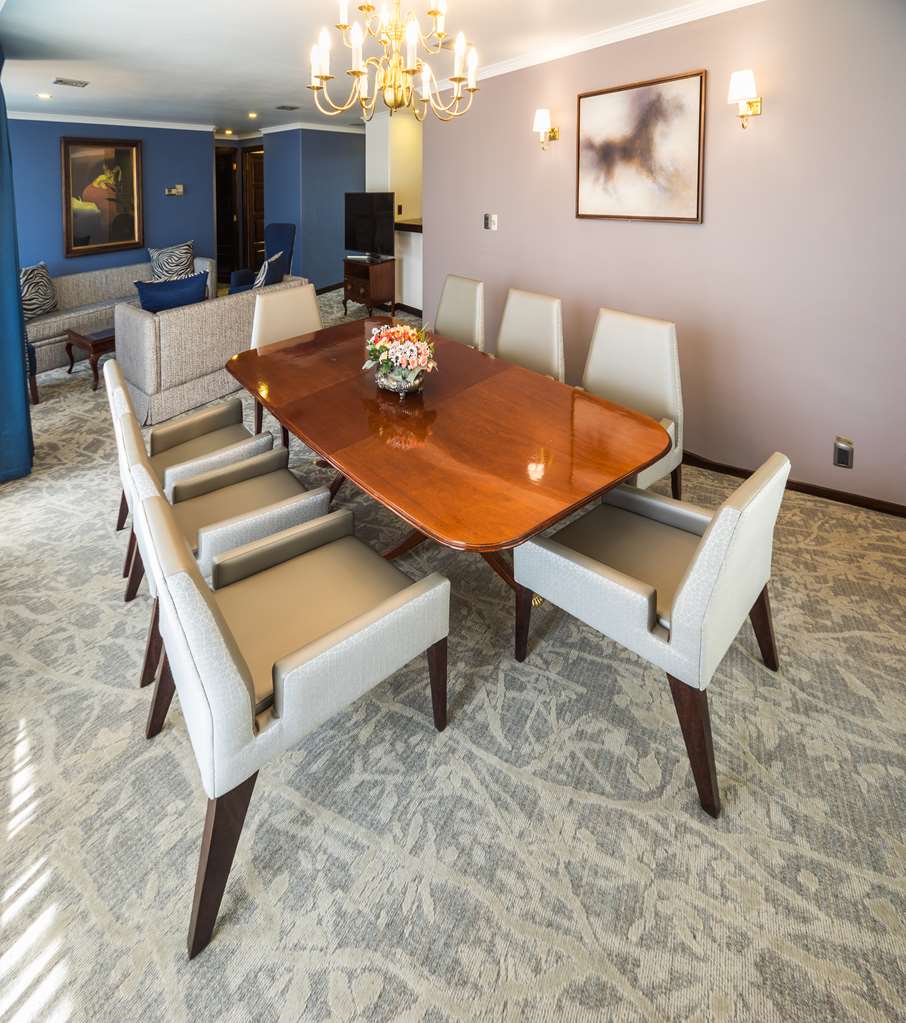
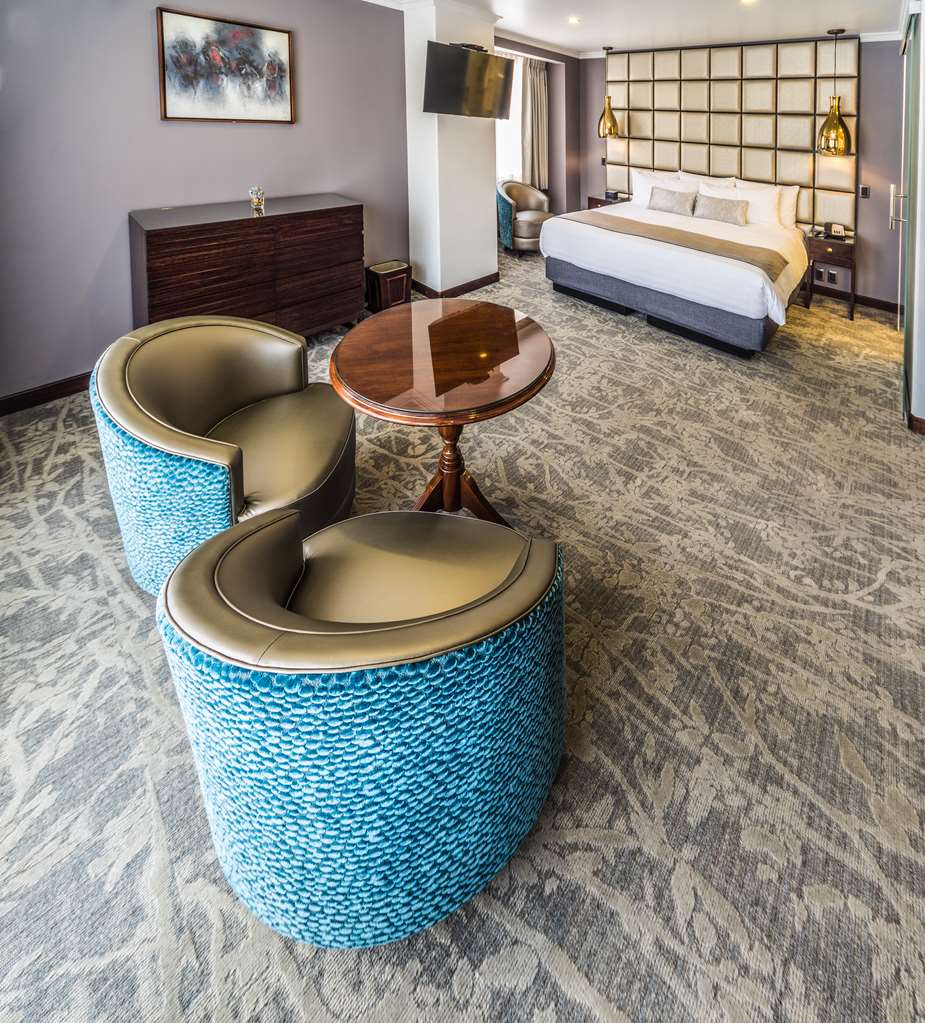
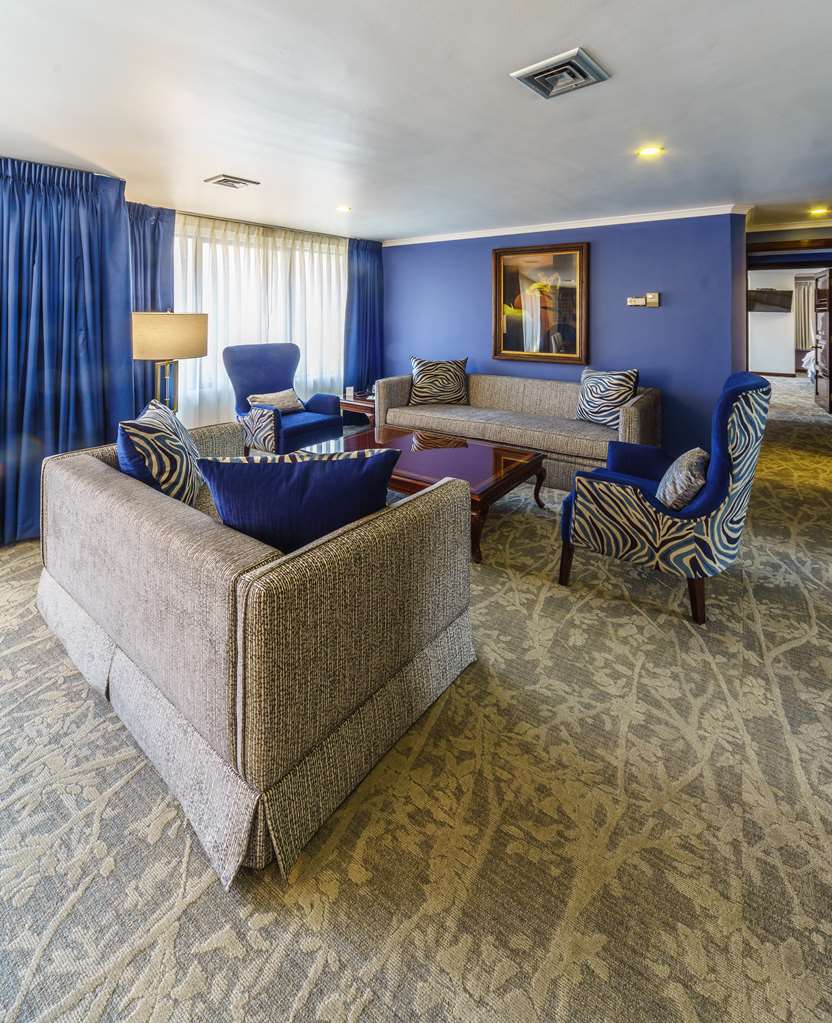
Ritz Apart Hotel is a solid 4-star pick in La Paz — comfortable rooms and a base that keeps central La Paz close.
Guests typically choose La Paz for its balance of location and price; Ritz Apart Hotel is a good fit if you want to be near the action in La Paz.
Rates shift with the season and with demand, so the live price on the booking page is always the one to trust — tap through for tonight's or your dates' real availability.
Key facts
Around La Paz


What hotels actually cost in La Paz
Budget rooms across the department run about $15–28 a night: a fan room with a private bathroom, cold or intermittent hot water, and street parking, typical of the small hotels in La Paz Centro and the hospedajes in Marcala, San Pedro de Tutule and Guajiquiro. Mid-range here means roughly $30–50 — hot water you can rely on, air conditioning in the valley, wifi that works in the evenings, sometimes breakfast — and that band covers most of what you would actually book in La Paz Centro and Marcala. The top of the local market is around $55–80, usually a coffee-farm cabin outside Marcala or the best of the valley hotels, and it buys space, quiet and a view rather than resort facilities. If you want a genuine four-star standard with a pool, that is a Comayagua booking at $70–95, 10 km from La Paz Centro.
Rates spike twice. Semana Santa pushes La Paz Centro up 30–50% for the week because of the Comayagua overflow, and the December–February coffee harvest tightens Marcala so that a $35 room becomes a $50 room and the cheapest places disappear entirely. The quietest and cheapest stretch is September and October, when the same $35 room sits nearer $22. Long stays are common in Marcala during harvest, so ask about a weekly rate if you are staying four nights or more; discounts of 10–15% are normal and rarely advertised.
The La Paz booking trap: two centres, 80 km apart, and cold nights
The mistake visitors make is booking one hotel for the whole trip. La Paz Centro and Marcala are 80 km and about two hours apart on a winding mountain road, and almost everything people come for — Cueva del Gigante, Cascada La Estanzuela, the coffee fincas, the Guajiquiro and Opatoro highlands — sits at the Marcala end, while almost all the airport convenience and the widest room choice sits at the La Paz Centro end. Booking four nights in the valley and driving out daily wastes eight hours of your trip. Split the stay instead, and put the Marcala nights on the days you want an early start for the Estanzuela valley.
Two more things catch people out. First, altitude: Marcala at around 1,300 m and villages like Yarula, Santa Elena and Guajiquiro above 1,500 m get down to single figures on December and January nights, and rooms have no heating — confirm hot water before you book, and pack a fleece even though you are in Honduras. Second, the harvest: from December to March the cooperatives around Marcala bring in visiting buyers and technicians, and the town's few dozen decent rooms are spoken for well in advance, so a booking made three days out in January may leave you in San Pedro de Tutule, 35 km back down the road. The area people wrongly skip is Santiago de Puringla, which sits on that same road and has the coffee slopes and cloud forest edge without any of the harvest-season pressure.
Where to stay in La Paz: which area suits which trip
Stay in La Paz Centro if you want the widest choice of rooms and the shortest transfer, and in Marcala if you have come for coffee, caves and cloud forest. La Paz Centro sits in the Comayagua valley at around 600 m, about 10 km from Comayagua city and roughly 20 km from Palmerola International Airport (XPL), and its small hotels and guest houses run about $18–45 a night. Marcala, 80 km southwest at around 1,300 m, is the department's second base: cooler, greener, and priced at roughly $20–50, with a handful of farm cabins on the surrounding fincas closer to $45–75. Cane, the tiny municipality on La Paz Centro's doorstep, and San Pedro de Tutule, the junction town halfway along the Marcala road, are useful mainly as cheap fallbacks when both centres are full.
The Lenca highlands — Guajiquiro, Opatoro, Yarula, Santa Elena and Chinacla — sit between about 1,500 m and 1,900 m and have very little formal accommodation; what exists is simple hospedaje or community lodging at $12–25, often without hot water, and is worth arranging in person or by phone rather than assumed to be bookable online. Santiago de Puringla, Santa María, San José, San Juan, Cabañas, Tepanguare and Chinampa are coffee and farming municipalities better treated as day trips from Marcala or La Paz Centro. The southern belt — Aguanqueterique, Lauterique, Mercedes de Oriente and San Antonio del Norte — is hot, dry and thinly served; it drops below 400 m in places and has almost no visitor beds, so plan it as a drive out and back from La Paz Centro rather than an overnight.