The 7 best fiestas and festivals in La Paz, Honduras, ranked
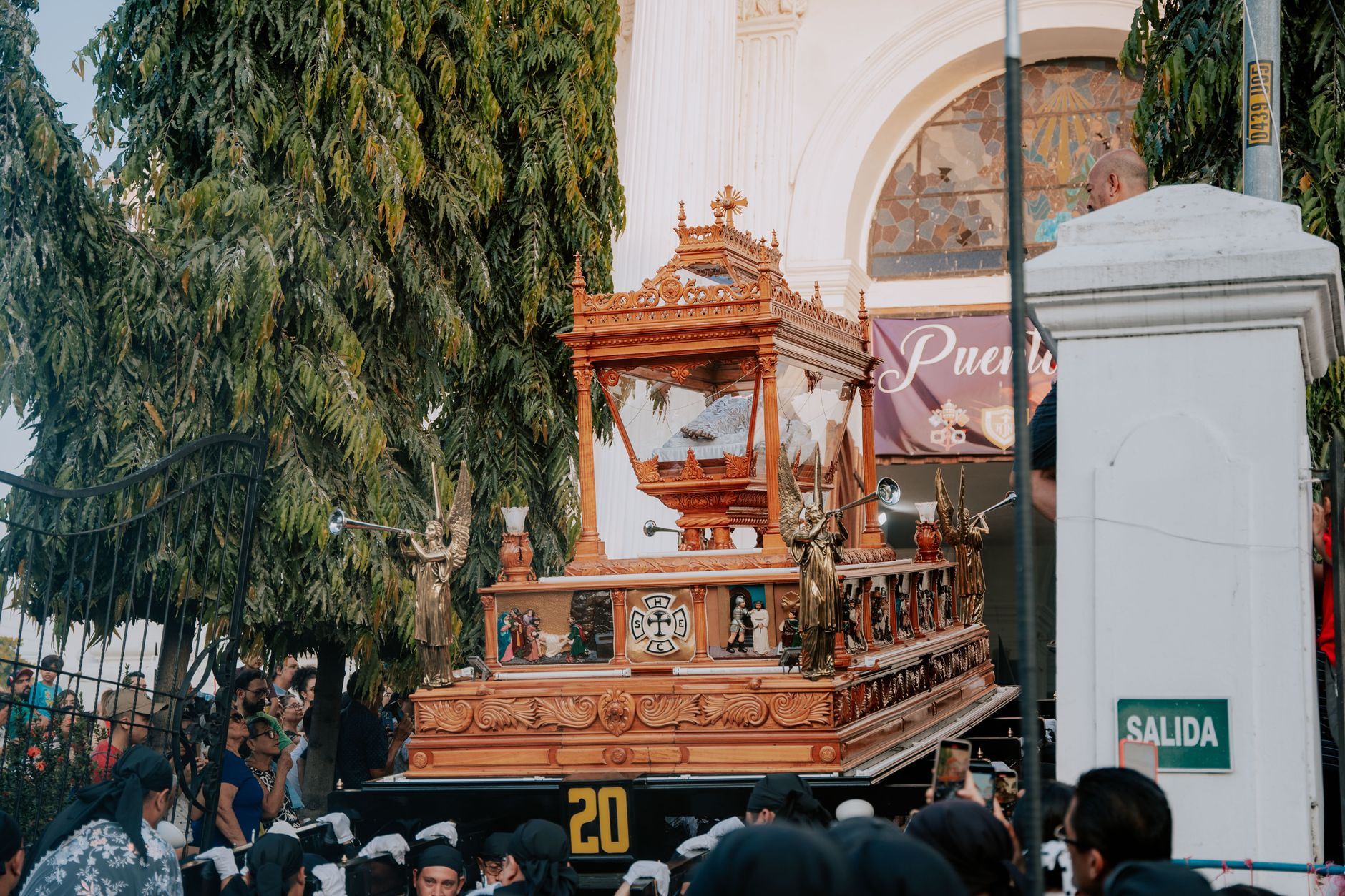 Sawdust carpet being laid on a cobbled street before a Holy Week procession in La Paz
Seven celebrations worth planning a trip around, ranked by how much you will actually see as a visitor, with 7 months to target and honest advice on which ones are not yours to attend.
How the calendar works, and one warning
The department's year has three peaks: Holy Week in March or April, the September independence season, and the run from late November through Christmas when coffee harvest money is circulating and every municipality seems to have something on. Around those, each town keeps its own patron saint feast, and the dates move with the church calendar and with local decisions, so treat every month below as a target rather than a booking guarantee. Confirm with your hotel two weeks out and again the day before.
The warning matters more than the calendar. Parts of the highland Lenca ritual year, including the composturas and the ceremonies attached to planting and to community authority in municipalities like Guajiquiro, Santa Elena and Yarula, are not public events. They are not staged, not advertised and not for spectators. If you are invited, that is a privilege; if you are not, do not go looking, do not photograph and do not treat a village on a ceremonial day as an attraction. Getting this wrong is the fastest way to become an unwelcome visitor.
1. Semana Santa
Holy Week wins because it is the one occasion when the whole department decorates itself. Sawdust carpets in dyed patterns are laid across streets in the small hours, processions move through town in the cool of the evening, and the churches fill. Comayagua next door does the most famous version in Honduras, but the La Paz-department towns do smaller, more intimate ones where you are standing among neighbours rather than in a crowd of visitors. Thursday and Friday are the nights.
Plan properly. Holy Week is Honduras's main domestic holiday: rooms in La Paz town and Marcala fill and prices firm up, buses run full, and many businesses close from Thursday. Book six to eight weeks ahead, expect to pay toward the upper end of the $30-60 band, and carry enough cash for several days because banks close. Temperatures in the valley reach the low thirties by then, so the processions happening after 6pm is not an accident. Arrive by mid-afternoon to watch the carpets being laid.
2. The Marcala coffee season
Not a single festival but a two-month mood, and second because it is what the region genuinely does best. From mid-November to February the fincas are picking, the beneficios are running, trucks queue in Marcala, and the town's cafés, cooperatives and buyers are all busy at once. Cupping events, harvest gatherings and coffee fairs cluster in this window, though the specific dates shift each year with the crop and are announced locally rather than months in advance.
For a visitor this is the best time to be in Marcala for reasons beyond any one event: the weather is dry, the light is clear, the roads are firm, and every conversation in town is about the harvest. Book accommodation early because buyers and pickers take rooms, and expect the $30-60 range to be tighter than usual. If you want a single week, aim for late January, when picking is at full tilt and the first fresh domestic roasts have appeared.
3. Guancasco, where you can see it
The guancasco, the reciprocal ceremonial visit between Lenca communities in which images of the saints are carried from one town to another and hosts and guests exchange hospitality, dance and formal courtesies, is the most distinctive tradition in this part of Honduras. It is centuries old, it is about alliance and peace between towns, and where it survives it is extraordinary. It ranks third rather than first only because access is uncertain and dates are local, usually clustered in the December-to-February stretch.
The way to see one is to be in the department and to ask, respectfully, at your hotel or at a municipal office, rather than to plan a trip around it. If you are pointed toward one, go as a guest: dress modestly, arrive with someone local if you can, keep the camera down until you understand the rhythm of the day, and buy food from the stalls. Do not attempt to attend anything you have been told is closed. This is a working ritual, not a performance.
4 and 5. Patron saint fairs and Independence week
Fourth are the ferias patronales that each municipality stages for its patron saint, La Paz town's traditionally falling in the January stretch of the calendar and other towns spread across the year. The template is consistent: mass and procession, a fairground on the edge of town, food stalls doing tacos and fried snacks for $1-3, live bands, and a horse parade. It is loud, cheerful, family-heavy and completely un-curated. Ask locally for the year's dates; they move.
Fifth is Independence week around 15 September, when every school in the department drills for weeks and then marches. In the capital and in Marcala the parades take over the centre for a morning with drum corps, palillonas and the whole town standing on the kerb. It is genuinely charming and costs nothing. The drawback is the season: mid-September is deep in the rains, the mountain roads are at their worst, and afternoon downpours are near-daily, so keep your itinerary paved.
6 and 7. Day of the Dead and the Christmas run
Sixth, 2 November: families clean and repaint graves, carry flowers to the cemeteries and eat together. In the highland villages the cemeteries are on hillsides above the settlements and the effect in late-afternoon light is quietly memorable. It is a family occasion rather than a spectacle; visit the cemetery early, keep back, and do not photograph individual graves or mourners. Food stalls appear near the gates and the atmosphere is warm rather than sombre.
Seventh, the December run: posadas through the weeks before Christmas, nacatamales cooking in every second kitchen, and towns lit and busy because harvest money has arrived. This is the most pleasant time simply to be in the department, though nothing is a scheduled attraction and much of it happens in houses rather than plazas. New Year in the small towns is fireworks and family. Book rooms ahead for the 24th and 31st, and accept that many comedores close for several days around Christmas.
Which to plan around, and what to skip
If you can pick your dates freely, come in late January. You get dry roads, clear highland mornings at 10-15C, coffee harvest at full intensity around Marcala, patron-saint activity in the capital, and the tail of the guancasco season, without the accommodation squeeze of Holy Week. Second choice is the week before Easter, accepting the crowds and the heat, because the sawdust carpets are the department's most visually striking single tradition.
Skip September if the mountain villages are your priority; the parades are lovely but the roads are not. Skip any plan that treats a ceremonial day in Guajiquiro, Yarula or Santa Elena as a scheduled attraction. And skip the assumption that a date you found online is correct: in this department the reliable source is a person in the town, asked two days beforehand, and the second reliable source is the same person asked again on the morning.
Before you book
The questions people ask about Marcala, answered with this month’s numbers.
Late January. Coffee harvest is at full tilt around Marcala, the roads are dry, highland mornings are clear at 10-15C, patron-saint season is active in the capital, and rooms in the $30-60 band are still findable. It gives you the widest choice of activity without Holy Week prices or September rain.
Sometimes, as guests rather than spectators. Ask at your hotel or the municipal office once you are in the department; dates are local and shift, mostly falling between December and February. Dress modestly, keep the camera down until you understand the occasion, buy food from the stalls, and never attend anything described as closed.
Yes, six to eight weeks out. Holy Week is the main domestic holiday in Honduras and rooms in La Paz town and Marcala fill with Honduran families. Expect the upper end of the $30-60 range, carry several days of cash because banks close from Thursday, and check whether your hotel serves food that week.
Not in a way a visitor can trust from abroad. Municipal social media and church noticeboards are the real sources, and both are updated locally and late. Plan your trip around the season rather than a date, then confirm specifics with your hotel two weeks out and again the day before you travel.