Budget Travel in La Paz, Honduras: What to Plan For
 Budget Travel in La Paz, Honduras: What to Plan For
Practical planning for a low-cost stay in La Paz, from when to go and how to arrive to which neighbourhoods keep costs down.
When to go and what the weather costs you
La Paz sits in a high valley at roughly 1,200 metres, so nights are cool year-round and air conditioning is rarely necessary. The dry season runs from December to April, with March and April the hottest and dustiest months before the rains. May to November brings afternoon showers, usually short and heavy. If you want the lowest room rates and fewer visitors, plan for late May, June, September or October; expect to pay less than in Semana Santa, when Honduran families travel and prices in the centre climb.
Weekends matter more than you might expect. La Paz is the departmental capital and a market town, so Friday and Saturday nights fill with people from surrounding villages. Sunday afternoon is quiet. For the best combination of price and comfort, arrive on a Tuesday or Wednesday. Rainy-season travel is not a washout: mornings are usually clear, and the cloud cover keeps the valley pleasantly mild. Pack a light rain jacket rather than an umbrella, which is awkward on the steep streets around the centre.
Getting to La Paz without overspending
Most travellers reach La Paz by road from Tegucigalpa, about 90 minutes on the CA-5 highway through Mateo and Ojojona. Intercity buses leave the capital's Comayagüela terminal several times a day; fares are modest, and the journey is straightforward. From San Pedro Sula the drive takes around four hours. If you fly into Toncontín in Tegucigalpa, a shared shuttle or collective taxi to La Paz costs far less than a private transfer. Renting a car only makes sense if you plan to visit surrounding villages; in town, everything is walkable.
Within La Paz, local buses and moto-taxis cover short distances cheaply. The main bus stop near the central park connects you to neighbourhoods like El Calvario and San Antonio. For day trips, buses to Marcala and Santiago de Puringla leave from the same area. Avoid arriving after dark on your first night; streets are hilly and signage is limited. A mid-afternoon arrival gives you time to find your hotel and orient yourself before dinner. Book your first two nights in advance so you are not searching for a room with luggage.
Where to stay: neighbourhoods and room types
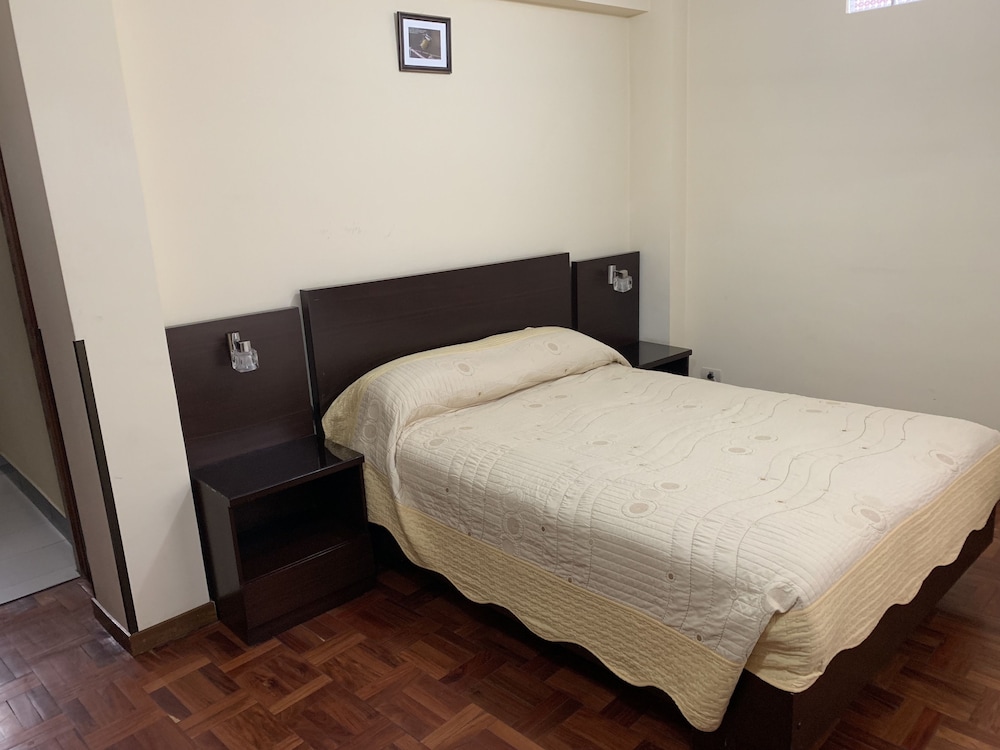
The centre around Parque Central and the Catedral de La Paz is the most convenient base for budget travellers. Guesthouses and small hotels here offer basic double rooms with private bathroom, typically in the lower price band for the region. Streets like Calle Principal and the lanes near the market are lively during the day and quiet at night. If you want more space and lower rates, look towards El Calvario or the road to Ojojona, where family-run hospedajes are common. Expect simple furnishings, strong Wi-Fi in common areas and hot water that may need a few minutes.
For a quieter stay, consider the residential streets north of the centre, near the Instituto Técnico. These are safe, walkable and close to local comedores serving baleadas and plato típico at low cost. Mid-range hotels in La Paz cluster near the main highway entrances and are aimed at business travellers; they cost more and are less convenient for exploring on foot. I would book a small guesthouse in the centre for two nights, then decide whether to extend. Always confirm the rate in lempiras, ask whether breakfast is included, and check whether the quoted price covers taxes.
What to do cheaply, and what to skip
La Paz rewards slow travel. The central market is the best free introduction to local life; go early for produce and a cheap breakfast. The cathedral and the small museums around the park charge little or nothing. A short bus ride takes you to the village of Ojojona, known for its cobbled streets and pottery workshops, and to Mateo for views back over the valley. Hiking in the surrounding hills is free, though you should go with a local guide if you are unfamiliar with the trails. Birdwatchers should head out at dawn.
Skip organised day tours to distant attractions that require long drives; the cost adds up and you lose time in transit. Also skip the pricey restaurants aimed at weekend visitors from Tegucigalpa; the comedores near the market serve better value. If you are travelling with others, splitting a taxi to nearby villages can be cheaper than a tour. Carry small notes for market purchases and keep an eye on your belongings in crowded areas, as in any town. A three-night stay is enough to see the highlights without rushing.
Before you book
The questions people ask about La Paz, answered with this month’s numbers.
Simple double rooms with private bathroom generally fall in the lower price band for Honduras. Rates are higher during Semana Santa and around local festivals. Always confirm whether the quoted price includes taxes and breakfast before booking.
Late May, June, September and October offer lower room rates and fewer visitors. The dry season from December to April is popular, especially March and April. Rainy-season mornings are usually clear, with short afternoon showers.
Buses leave Comayagüela terminal several times daily and take about 90 minutes on the CA-5. Shared shuttles from Toncontín airport are cheaper than private transfers. From San Pedro Sula the drive is around four hours.
The centre around Parque Central is convenient and has budget guesthouses. El Calvario and the road to Ojojona have family-run hospedajes with lower rates. Residential streets north of the centre are quiet and walkable.
No. The town is walkable and local buses and moto-taxis are cheap. A car only makes sense for visiting surrounding villages like Ojojona or Mateo. Parking in the centre can be limited.
Nights are cool year-round, so bring a light jacket. A rain jacket is useful from May to November. Comfortable shoes are essential for the steep streets. Air conditioning is rarely needed.
La Paz is a market town and generally calm. Take the usual precautions: avoid arriving after dark on your first night, keep valuables secure in crowded areas, and use registered taxis after dark.
Three nights covers the centre, the market and a day trip to Ojojona or Mateo without rushing. Two nights works if you are passing through. Book your first two nights in advance.