Cabañas in the Dry Season: Border-Country Travel Notes for La Paz, Honduras
 Cabañas in the Dry Season: Border-Country Travel Notes for La Paz, Honduras
Plan a dry-season stay in La Paz with concrete advice on neighbourhoods, transport, costs and timing—plus two hotel picks for a two-night booking.
Why La Paz Works as a Dry-Season Base
La Paz sits at roughly 750 metres on the Carretera CA-5 between Tegucigalpa and the Salvadoran border at El Poy, making it a practical overnight stop rather than a destination in itself. The dry season runs December to April, with March and April the hottest and dustiest; February is the sweet spot for comfortable evenings. The town centre clusters around the Parque Central and the yellow Catedral de Nuestra Señora de la Paz, with the market and bus terminals within a ten-minute walk. If you are driving to El Salvador, the border is about 90 minutes north-west via Marcala on CA-5; the road is paved but winding, and you should avoid arriving after dark.
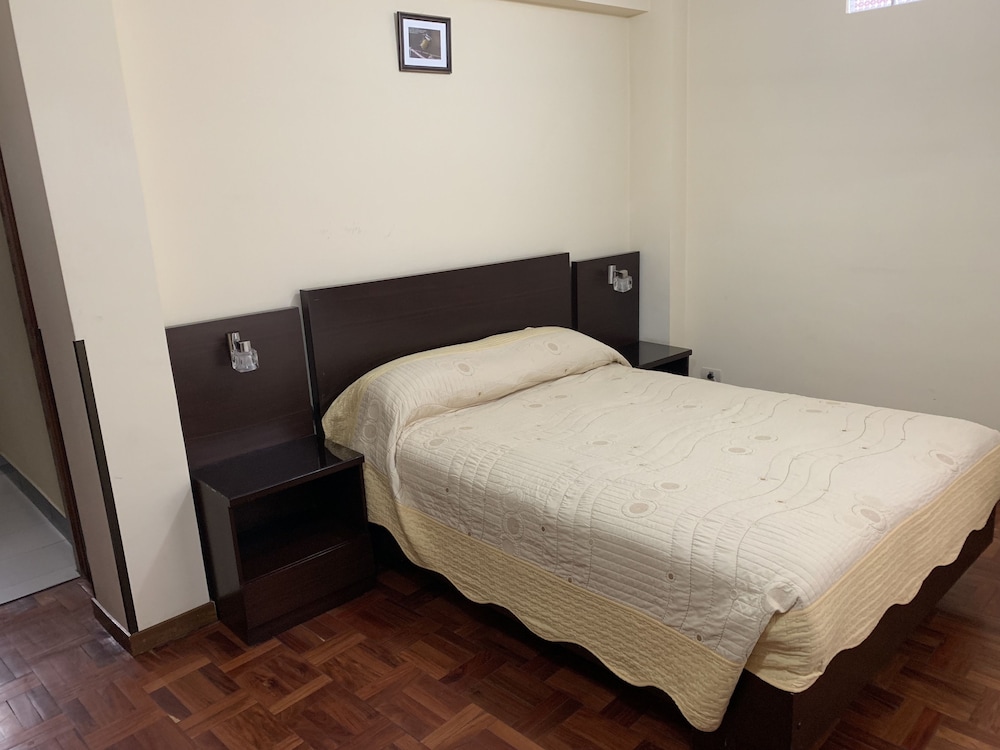
For a two-night stay, I would book one of two options depending on your priority. For walkability and easy access to restaurants, choose a small hotel within four blocks of Parque Central—expect a straightforward double room with private bathroom and Wi-Fi, typically in the mid-range bracket for Honduras. For space and parking, choose a cabaña-style property on the outskirts toward the Carretera CA-5 junction, where cabins sleep three to four people and include a small kitchen. Neither style invents luxury: hot water can be intermittent, and air conditioning is rare at this altitude—most rooms rely on fans. Confirm the rate and dates directly when booking, especially in Semana Santa.
Getting There and Around Without Guesswork
From Toncontín airport in Tegucigalpa, the drive to La Paz takes about 90 minutes on CA-5, with tolls. Buses run from Tegucigalpa's Mercado Zonal Belén terminal roughly every 30–45 minutes from early morning until late afternoon; the fare is modest, but schedules shift, so ask at the terminal. From San Pedro Sula, the journey is longer—four to five hours via Comayagua—and best done in daylight. Within La Paz, moto-taxis handle short hops for a few lempiras, and the town is flat enough to walk between the park, the market and the main bus stops.
If you are heading to the El Salvador border at El Poy, hire a taxi or take a direct bus from La Paz's terminal; the trip is about 90 minutes. Do not rely on late-afternoon departures, as transport thins out after 4 pm. For a day trip, the colonial village of Marcala—known for coffee—is 45 minutes west and makes a sensible morning outing; return by early afternoon. I would skip trying to reach Gracias or Santa Rosa de Copán as a day trip from La Paz: both are three to four hours each way and deserve their own overnight. Carry small lempira notes for moto-taxis and market stalls.
Where to Sleep: Two Practical Picks and What to Skip
Two hotel styles cover most needs. First, a small hotel near Parque Central: ask for a room set back from the street, confirm hot water and Wi-Fi, and expect breakfast to be a separate, simple affair at a nearby comedor. Second, a cabaña property toward the CA-5 junction: these cabins suit families or drivers, with parking and space for gear. Neither is a resort; the appeal is location. When you book, give exact dates—dry-season weekends and Honduran holidays fill quickly—and ask for the total rate including taxes in writing.
What to skip: rooms directly on the CA-5 carriageway, where truck noise starts before dawn; and any property that cannot confirm 24-hour reception if you are arriving on an afternoon bus. In Semana Santa, which falls in late March or April depending on the year, prices rise and the park fills with visitors; book at least two weeks ahead. Outside that week, mid-range rooms are generally available on short notice, but do not assume walk-in rates are lower—confirm the rate and dates when you reserve. If hot water matters to you, ask directly rather than relying on listing photos.
Dry-Season Days: What to Do and When to Go
Mornings are for the centre: the Catedral, the municipal market for fruit and cheese, and the small museum near the park if it is open—hours vary, so ask locally. Afternoons are better for a short drive to the Río Grande or the hills toward Marcala for coffee-farm visits, which should be arranged a day ahead through your hotel. February and March offer the most reliable weather, with clear mornings and little rain; April brings dust and heat before the first rains in May. Pack a light jacket for evenings, when temperatures drop noticeably at this altitude.
For border-country travel, keep your passport and a copy of your vehicle papers accessible; the El Poy crossing is straightforward but can be slow at midday. Do not change large sums of money at the border—use banks or established exchange houses in La Paz during business hours. I would book a cabaña with parking if you are driving onward to El Salvador, and a central hotel if you are relying on buses. Either way, confirm your dates and rate before arrival, and leave a margin for the 90-minute run to the border.
Before you book
The questions people ask about La Paz, answered with this month’s numbers.
February and March offer the most comfortable dry-season weather, with clear mornings and cooler evenings. April is hotter and dustier before the rains arrive in May. If you plan to cross to El Salvador, avoid the busy Semana Santa week in late March or April.
Buses leave from Mercado Zonal Belén terminal roughly every 30–45 minutes from early morning to late afternoon, taking about 90 minutes on CA-5. By car, the drive is also about 90 minutes with tolls. Avoid arriving after dark if you are unfamiliar with the road.
Confirm the total rate including taxes, exact dates, hot-water availability, Wi-Fi strength and whether reception is staffed at your arrival time. Ask for written confirmation, especially during Semana Santa when demand is higher and rooms fill quickly.
Yes, the El Poy border is about 90 minutes north-west via Marcala on CA-5. The crossing is generally straightforward but can be slow at midday. Carry your passport and vehicle papers, and avoid late-afternoon departures as transport thins out after 4 pm.
Cabaña-style properties toward the CA-5 junction usually include private parking, which is the better choice if you are driving onward. Central hotels may have limited or no parking. Always confirm parking availability and any height restrictions when you book.
The Parque Central, the Catedral de Nuestra Señora de la Paz and the municipal market are all within walking distance. The small local museum has variable hours, so ask at your hotel. For coffee farms, arrange a visit toward Marcala a day ahead through your accommodation.
Yes. Semana Santa, in late March or April depending on the year, brings higher prices and fuller rooms. Book at least two weeks ahead, confirm the rate and dates in writing, and expect the park and central streets to be busy with visitors.
No. Both are three to four hours each way, making a day trip impractical. They deserve their own overnight stays. From La Paz, Marcala is a more sensible 45-minute excursion, best done in the morning with a return by early afternoon.