Chinampa or San Antonio del Norte: which to book
 Gravel road winding between dry hills in southern La Paz department
Two tiny southern La Paz settlements about 20 km apart, each with rentable beds in the single digits and rooms at $8 to $20 — the honest case for each, and the third option that beats both for most visitors.
The short answer
Book Chinampa if your work or your family is in Chinampa, and San Antonio del Norte if your work or family is there. That sounds glib, but it is the only sensible rule when neither place has a hotel in the ordinary sense and both are reached by the same category of gravel road. Neither is a destination you choose over the other for atmosphere; they are near-identical dry-country municipal seats of a few hundred houses, with a plaza, a church, an alcaldía, a health post and a football pitch, and a total tourist infrastructure of zero.
If you have no fixed reason to be in either, book neither. Take a room in La Paz Centro for $25 to $45 with hot water, parking and a phone signal, and drive down for the morning. That is the recommendation for something like nine visitors in ten. The remaining one in ten — the technician who needs two dawn starts in the aldeas, the person attending a wake or a patronal fiesta — should read the rest of this and arrange a room in a house, because that is the only kind on offer.
Two dots on the same southern road
Both sit in the dry southern arm of La Paz, the hills that fall away toward the Goascorán basin, well below the coffee elevations of the north and hotter by ten degrees on a bad afternoon. From La Paz Centro you are looking at two to three hours to either, on a mix of asphalt, gravel and graded dirt that degrades from June to October. The two are roughly 20 km apart as the crow flies and considerably more by road, because the route follows ridges and drops rather than the straight line you see on a map.
The practical difference is which end you approach from. If you are coming down from La Paz Centro or the CA-5 corridor, the northern seat is the shorter run. If you are already in the far south, near the Goascorán road, you climb in from below and the order reverses. Local buses and passenger pickups leave early — before eight in most cases — and return in the early afternoon, so linking the two in a day on public transport is not realistic. With your own vehicle it is a long but doable day in the dry season.
Beds and what the night actually costs
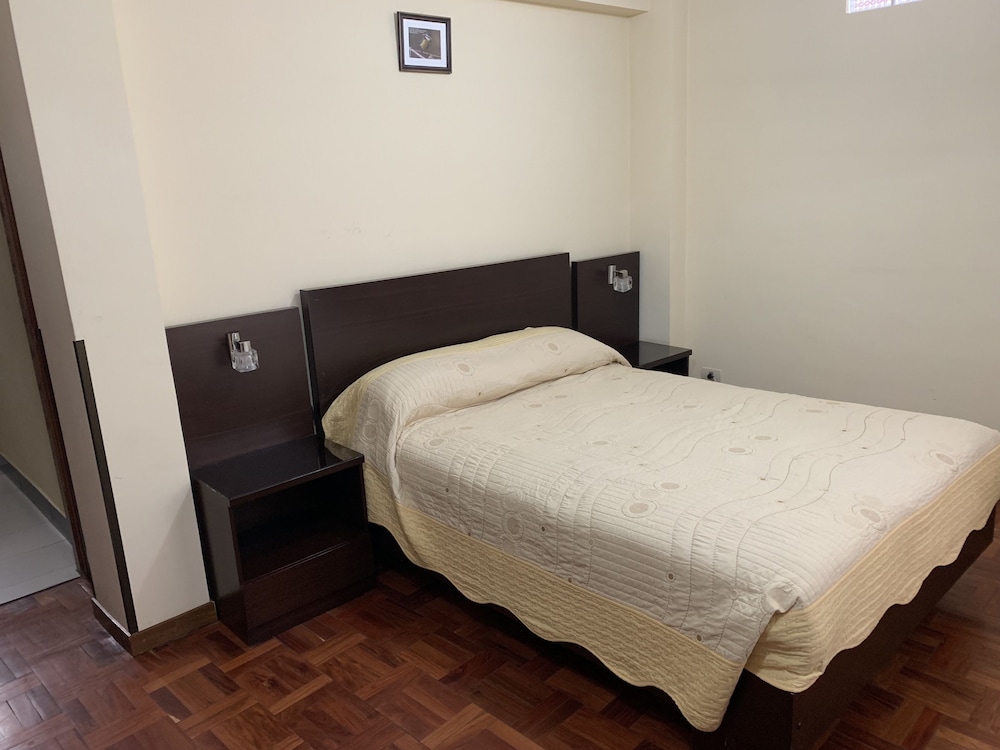
Prices are effectively identical: $8 to $15 for a room in a family house, up to about $20 for the nicest room anybody rents. That is roughly a third of what a comfortable room costs in La Paz Centro and a quarter of a coffee-season room in Marcala. You get a concrete-walled room, a foam mattress, a fan when the power is on, a shared bathroom or latrine, and water in a barrel or pila that you use with a bucket. Bedding is light; at these elevations nights are warm, not cold.
Neither appears on any booking platform, so the reservation process is the same in both: ask at the alcaldía or the busiest pulpería, agree the price out loud before you unpack, pay cash in small notes at the end. Do not expect a receipt, a lock you would trust with a laptop, or anyone to be awake if you roll in at nine at night. If you need an invoice for expenses, get it in La Paz Centro instead and eat the difference — it is only twenty-odd dollars.
Chinampa on foot
The walkable core is four or five streets around the plaza, and you will cover it in fifteen minutes. The church anchors one side, the alcaldía another, and the pulperías cluster where the road comes in. There is a health post, a school, and a comedor or two that cook for whoever is around rather than to fixed hours — ask by three in the afternoon if you want dinner. The football field on the edge of town is where the population goes at four o’clock, and it is the fastest way to meet people if you are staying the night.
Beyond the last houses, footpaths climb to smallholdings of maize, beans and sorghum, and the ridgelines give long southward views over the dry basin, best in the hour after sunrise before the haze builds. In March and April smoke from agricultural burning cuts visibility badly. There is no signed trail, no guide service and no map; if you walk out, walk with someone from town, tell the house where you are sleeping, and carry two litres of water because there is no shade once you leave the plaza.
Supplies, food and money in both towns
Neither has a cash machine, a bank branch you can count on, or a card terminal. Draw and break your money in La Paz Centro or Marcala before you head south — small notes only, because nobody selling a $3 plate can change a big bill. Fuel is the other thing to sort out before you go: filling stations down here are few and occasionally dry, so leave the north with a full tank and, if you are driving, a jerry can for the return leg. A spare tyre that has actually been checked is worth more than a guidebook.
Eating is beans, eggs, cuajada, thick maize tortillas, fried plantain and soup, at $2.50 to $4 a plate, with coffee at about $0.50. Pulperías carry bottled water, crackers, sardines, soap and batteries, restocked when a truck arrives rather than on a schedule. Bring your own coffee filter if you care about how it is brewed, and bring a head torch: power cuts are routine in both towns and the streets have no lighting worth the name once the shops shut around eight.
The season decides more than the town does
Both places live under dry-corridor rules. Rain falls roughly May to October with a hot dry break in July and early August; the dry season runs November to April and turns properly harsh by March, when streams drop, water is rationed in some aldeas and the hills go brown. Afternoon highs in the lower ground reach 30 to 34°C in March and April. Nights stay warm enough that nobody sells blankets, which surprises visitors who have just come down from Marcala with a fleece in the bag.
November to February is the window: roads dry, air still reasonably clear, mornings crisp enough for the views. Avoid late September and October if you have any deadline at all, because a night of heavy rain can shut a ford and hold you for a day. And check the patronal fiesta dates before you plan — in a town this size, fiesta week is the one time every spare room is genuinely taken, prices firm up, and a bed you assumed would be waiting is not.
How to arrange a room, and who should skip both
The reliable method is to go through someone with a reason to vouch for you: the municipality if you are on official business, a co-operative or NGO if you are working with one, a family contact otherwise. Phone ahead if you have a number, but assume signal is patchy and be prepared to arrive and ask. Turn up before four in the afternoon, which is early enough for people to organise bedding and food. Offer to pay the going rate rather than negotiating down; the sums are small and the goodwill matters more than three dollars.
Skip both if you want a shower with hot water, a restaurant menu, a laptop-friendly evening, a lock on the door or a guaranteed way out on a Sunday. Skip both if you are travelling with small children who need predictable food and a bathroom. And skip both if you were sold a picture of Lenca highland villages — that is a different corner of La Paz entirely, cooler, greener and better supplied. Down here the appeal is dry-forest light, cattle country and the fact that nobody has ever come for the view.
Before you book
The questions people ask about La Paz, answered with this month’s numbers.
Generally the northern seat, San Antonio del Norte, because the approach from La Paz Centro is shorter and involves fewer of the badly graded climbs. Both take two to three hours depending on the season, and both get considerably worse between June and October when clay sections and fords slow the drive to walking pace.
With your own high-clearance vehicle in January or February, yes — a long day out of La Paz Centro, or one night in the south and a return via the other. On buses and pickups it does not work: departures cluster before eight in the morning and returns go early afternoon, with no useful link between the two towns.
Around $20 to $28 all in for one person: $8 to $20 for the room, $2.50 to $4 a meal, $0.50 coffee, plus water and snacks. Transport from La Paz Centro adds roughly $5 to $9 each way by bus or pickup. In La Paz Centro instead, a proper room is $25 to $45 before food.
In practice yes, provided you arrive before four in the afternoon and ask at the alcaldía or a busy pulpería while people are still about. Arriving after dark is the mistake — shops shut, the streets are unlit, and the person who would have rented you a room has gone to bed.