Two days in La Paz, Honduras in the green season: an itinerary built around 3pm rain
 Storm clouds building over pine-covered highlands above a small Honduran town
A wet-season plan that front-loads everything outdoors into a 6am to 1pm window, with two indoor afternoons, two hotel picks and the four roads to stay off after a downpour.
How the rain actually behaves here
From mid-May to late October, La Paz department follows a highland pattern that is far more predictable than the word rainy suggests. Mornings open clear and cool, 15 to 18 C at 06:00 in Marcala, with the ridges sharp and the valleys full of mist. Cloud builds from about 12:30, and the rain lands between 14:00 and 17:00 as heavy convective downpours lasting 45 minutes to two hours, sometimes with thunder that shakes tin roofs. Evenings often clear again. The exception is a tropical system offshore, which can bring two or three grey days in a row.
There is also the canícula, the dry spell that usually falls between mid-July and mid-August and gives ten to twenty days of noticeably lighter rain. September and October are the wettest and the worst for roads, with saturated ground and landslides on the unpaved western routes. Plan around the daily rhythm rather than fighting it: everything outdoors happens before 13:00, everything indoors happens after, and you never schedule a mountain drive that ends after dark. That single rule turns a green-season trip from frustrating to excellent.
Day 1, 06:00 to 13:00: the Marcala morning
Sleep in Marcala the night before so you are not burning the clear hours on the approach. Be out at 06:15 with a thermos: the market corner is already busy, the pickups are loading, and a $2 baleada or $1.50 atol makes a fine breakfast standing up. From 07:00 to 10:30, do your one outdoor commitment of the day, a walk on the coffee slopes on the Chinacla road, either on foot from town or with a colectivo drop, $1 to $3, and a walk back. In the green season the coffee is flowering or filling and the shade trees drip.
Back in town by 11:00, then use the remaining dry window for the things that require standing outside: the produce market, the cooperative shops, the plaza. Buy a pound of roasted Marcala coffee, $5 to $8, and a jar of highland honey, around $4. Eat lunch at 12:15, not 13:30, because the queue in every comedor peaks with the first thunder. A $4 to $6 plate of sopa de gallina india or beans with cuajada is the right choice on a cold wet afternoon. Be under a roof by 13:30.
Day 1, 13:30 to 20:00: the wet afternoon that works
This is where the green season is genuinely pleasant rather than merely tolerable. A cupping or a roastery visit is the obvious indoor anchor, and Marcala's cooperatives run sessions under roof at $10 to $25 a head, best arranged the day before. Failing that, a two-hour café afternoon with the rain hammering outside costs $2 a cup and is exactly what the town is for. If your hotel has a covered corridor and a view over the valley, use it: the storms here are worth watching, and they arrive as a visible grey wall coming up the drainage.
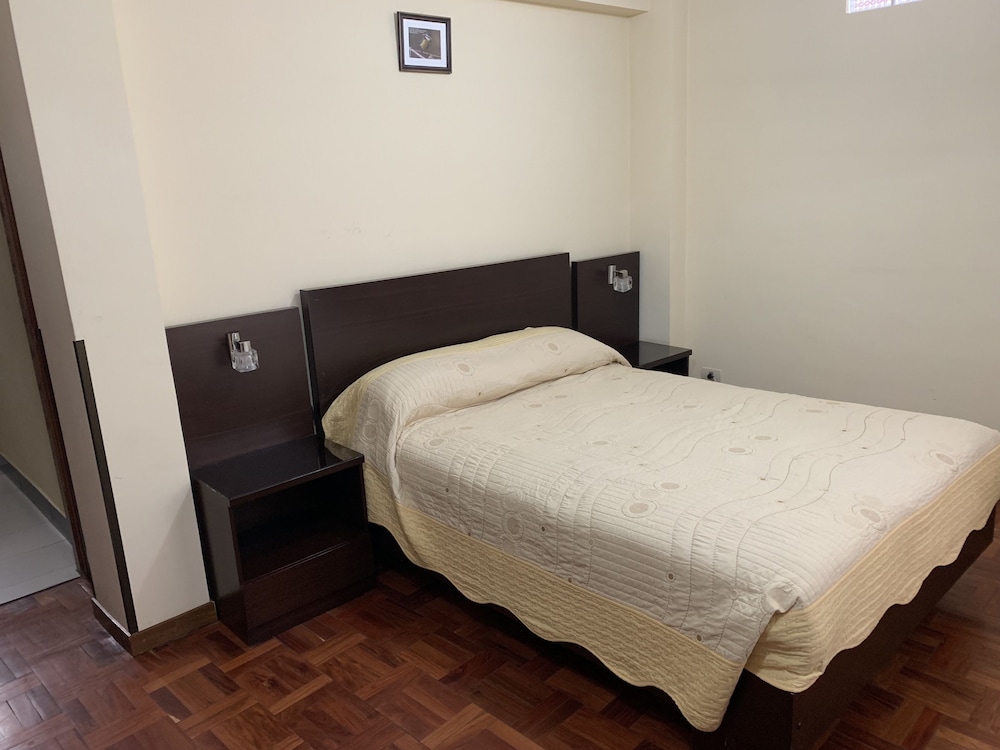
By 17:00 the rain usually eases. Take the 90-minute window before dark for the walk you did not do in the morning, on paved streets rather than clay tracks, then eat at 18:30 while kitchens are still busy. Sleep in Marcala both green-season nights if you can: guesthouses and small hotels near the plaza run $30 to $55, and the ones with hot water, wool blankets and a covered walkway to your door are worth $10 more in July than in February. Ask specifically about the roof over the parking.
Day 2, 06:00 to 12:00: down the hill while it is dry
Green-season day two should be a descent, not an ascent, because you want asphalt under you when the afternoon arrives. Leave Marcala at 07:00 for San Pedro de Tutule, 45 minutes, and give the junction market an hour: on a wet morning the tarpaulins go up, the potatoes come in muddy from the fields, and it is the most photogenic version of the place. Then continue down to La Paz Centro, another 40 minutes on paved road, losing 700 m of altitude and gaining four or five degrees of warmth on the way.
In La Paz Centro from about 09:30, walk the plaza, the parish church and the mercado municipal, then take a moto-taxi, $1 to $2, up to the residential streets on the northern slope for the view over the Comayagua valley with the storm building over the far ridges. This is a green-season view most dry-season visitors never see, because in February the valley haze flattens it. Lunch at 12:00 in a comedor near the market, $3.50 to $5, then plan to be indoors again by 13:30.
Day 2 afternoon: the indoor half, and where to sleep
La Paz Centro is a working town, not a sightseeing one, which is fine on a wet afternoon: cafés, a long lunch, an hour of shopping for cuajada and pan dulce, and the low-effort pleasure of watching the market pack up in a downpour. If you have a vehicle and the rain is holding off, the 35-minute run out toward Cane is paved and low-risk. What you should not do is start any unpaved detour after 13:00, because a 90-minute storm turns a graded surface into something you will not enjoy driving home in the dark.
Sleep in La Paz Centro if you are flying out of Palmerola, 35 to 45 minutes away, and take a mid-range room near the plaza at $35 to $55, ideally one with covered parking, because green-season hail-sized raindrops do rental cars no favours. If you are heading to Tegucigalpa instead, leave by 14:00 rather than 16:00: the CA-5 corridor gets standing water and the last hour into the capital in heavy rain at dusk is the least fun driving in the country.
Roads and walks to avoid after rain
Four things go on the do-not list from June to October. The Yarula to Santa Elena and Opatoro to Guajiquiro sections: clay, exposure, no recovery, and landslide risk that peaks in September. The unpaved southern routes toward Aguanqueterique and Mercedes de Oriente, where crossings rise fast and single-lane cuts slump. Any riverside walk within two hours of a storm, because highland rivers here rise brown and quick. And any ridge walk in afternoon thunder, on ground that has no shelter for a kilometre in any direction.
What remains open is more than enough: the paved corridor between Comayagua, La Paz Centro, Tutule and Marcala runs all season, colectivos still work the coffee aldeas in the mornings, and the walking around Marcala is on tracks that drain reasonably well. Wear real footwear, not trainers, and carry a $5 plastic poncho bought locally rather than an expensive shell, because when the rain arrives it goes through everything anyway. Also carry a dry bag for a camera and phone: this is the season when things get soaked in a fifteen-minute walk.
What the green season gives you that February does not
Prices soften. Guesthouse rooms that hold $45 to $60 in the December to February peak sit at $30 to $45 in August, and you can walk in without booking almost anywhere except during Semana Santa or a town feria. Guides, cuppings and pickup rides are all easier to arrange at short notice because demand is thin. Two people can do these two days comfortably on $110 to $150 including a room, meals and transport, which is roughly a third less than the same trip at harvest time in January.
Then there is the landscape. The coffee slopes are green rather than dusty, the streams above Chinacla and Guajiquiro actually run, waterfalls that trickle in April are loud in August, and the light between 06:00 and 09:00, with mist in the valleys and hard sun on the ridge tops, is far better than dry-season haze. The trade is simple: you lose the harvest activity of November to February and you lose the high unpaved loops. If your trip is about walking and photographs rather than driving, the green season is the better booking.
Before you book
The questions people ask about Marcala, answered with this month’s numbers.
Rarely. The standard green-season day is clear from 06:00 to about 12:30, then a heavy downpour of 45 minutes to two hours between 14:00 and 17:00, often clearing by evening. Multi-day grey spells happen when a tropical system sits offshore, mostly in September and October.
September and October are the wettest, with saturated ground and the highest landslide risk on the unpaved western and southern roads. If you must travel then, stay on the paved Comayagua to La Paz to Tutule to Marcala corridor and do not plan any 4x4 mountain loop.
It is a real pattern, usually mid-July to mid-August, with ten to twenty days of markedly lighter rain and more sunshine. It is not guaranteed and its dates shift by a couple of weeks each year, so plan the morning-first rhythm anyway and treat any dry afternoon as a bonus.