Hiking Near Guajiquiro: What to Expect on the Trails Above La Paz
 Hiking Near Guajiquiro: What to Expect on the Trails Above La Paz
A practical guide to the highland paths around Guajiquiro, the forest reserve above La Paz, with distances, drive times, seasons and honest advice on what these trails are really like.
Getting to the Trailheads from La Paz
Almost every walker bases themselves in La Paz, the departmental capital, and treats Guajiquiro as a day trip. The road east through Marcala and then north on the gravel climb is roughly 60 to 75 kilometres depending on your route, but the surface means two and a half to three hours in a sturdy vehicle. Leave La Paz before 6am to bank daylight. The final stretch past Opatoro is steep, rutted and slippery after rain, so a 4x4 is not optional in the wet months and is still sensible in the dry season.
If you would rather not drive, ask in La Paz about a local driver for the day; rates vary and should be agreed in writing before departure. Several La Paz hotels on the main streets near Parque Central will arrange this and pack a breakfast. Staying in town the night before is the practical choice, since no reliable public transport reaches the village early enough for a full day on the ridges. Book two nights in La Paz rather than one, so a washed-out road day does not ruin the whole trip.
What the Trails Actually Feel Like
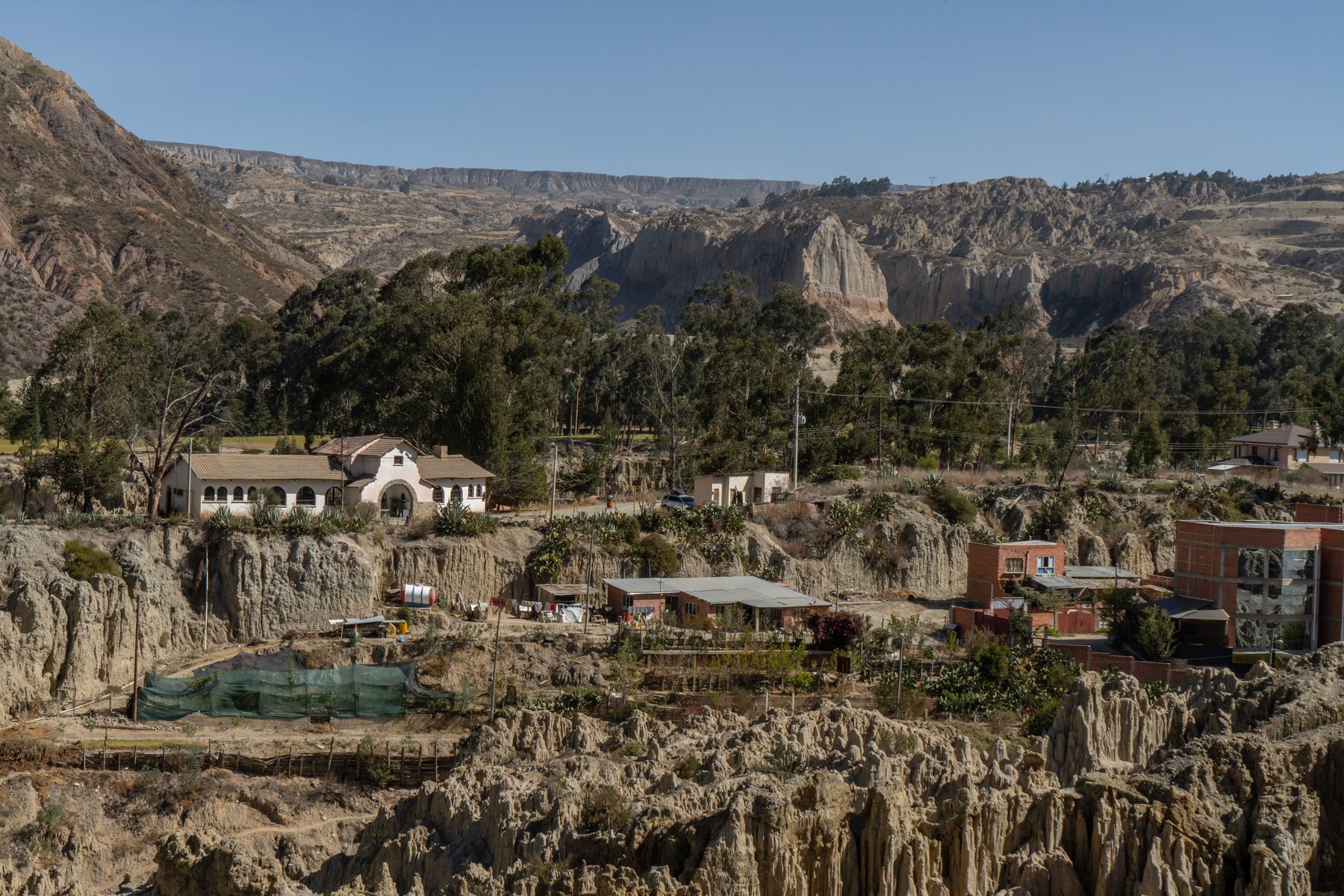
Guajiquiro sits inside a cloud forest reserve, much of it above 1,800 metres, and the walking reflects that. Paths are narrow, often muddy, and lined with mossy oak, pine and tree fern. Expect two to five hours on foot for the loops most visitors do, with steady climbing rather than technical scrambling. Altitude is the real challenge: if you have arrived from sea level the same week, keep the first walk short and slow. Sturdy boots with grip matter more than any other kit; trainers will slide on the clay.
Marking is patchy. Some routes are signposted near the village, others fade into cattle tracks, so a local guide is worth the modest cost and keeps income in the community. Carry water for the whole day, as there are no shops on the ridges, plus a rain shell whatever the morning looks like. The forest is a water source for communities below, so stay on established paths, take all rubbish out with you, and ask before photographing people or entering pasture.
Seasons, Weather and the Best Months
The dependable window is December through April, the dry season, when tracks firm up and views open across the ridges towards La Paz. March and April are warm and clear but hazy by afternoon. June to October brings heavy rain and, with it, leeches, deep mud and occasional road washouts; the forest is spectacular then but the drive becomes the hard part. December and January nights are cold, close to freezing at altitude, so pack a fleece and a hat even though La Paz itself feels mild.
Cloud can close in within twenty minutes at any time of year, and afternoons are reliably wetter than mornings. Plan to be off the high ground by three o'clock. There is no reliable phone signal across much of the reserve, so tell your hotel and driver your route and expected return time. If you only have one clear day in La Paz, take it for Guajiquiro; if the forecast is doubtful, walk closer to town instead and keep Guajiquiro for a settled forecast.
Where to Sleep in La Paz and What to Skip
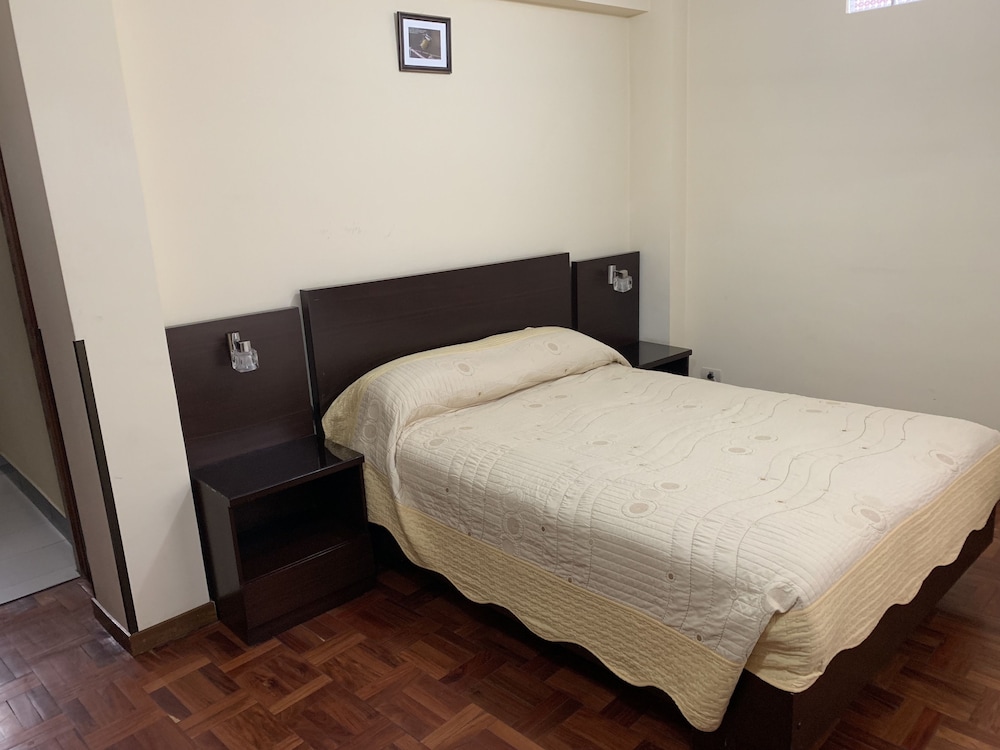
Guajiquiro has simple community accommodation but almost nothing that can be booked reliably in advance, so I would base myself in La Paz. Look at hotels within a few blocks of Parque Central and the cathedral, where you can walk to the market, restaurants and the bus terminals for Marcala and Tegucigalpa. Two reliable choices to ask about are the established hotels on Avenida Los Próceres and the smaller guesthouses off Calle Francisco Morazán; confirm current nightly rates and dates directly, since they change with season and occupancy.
Skip trying to combine Guajiquiro with Lago de Yojoa or Copán in a single day; the drives are long and the roads slow. Also skip La Paz's short urban walks if hiking is your aim, and skip guided horse trips offered on the spot unless you have seen how the animals are kept. Weekend rooms in La Paz fill with domestic travellers, so book ahead for Friday and Saturday nights and ask whether early breakfast is possible before a 6am departure.
Before you book
The questions people ask about La Paz, answered with this month’s numbers.
Roughly 60 to 75 kilometres depending on route, taking two and a half to three hours on gravel roads past Marcala and Opatoro. A 4x4 is strongly advised, especially after rain, and leaving before 6am gives you a full day on the trails.
Not strictly, but marking is inconsistent and paths merge with cattle tracks. A local guide is inexpensive by international standards, keeps money in the community, and saves you time. Arrange one in the village or ask your La Paz hotel to help before you travel.
December to April is the dry season, with the firmest tracks and clearest views. March and April are warm and mostly clear. June to October brings heavy rain, mud and occasional road washouts, making access the main obstacle rather than the walking itself.
Much of the reserve sits above 1,800 metres. If you have arrived from sea level that week, keep your first walk short and take the climbs slowly. Headache and breathlessness on the first day are common, so build in time to acclimatise in La Paz.
Sturdy boots with grip, a rain shell, a warm layer for the ridge, sun protection, and water for the whole day since there are no shops on the routes. A hat matters in December and January, when nights at altitude are close to freezing.
Not easily. Public transport does not reach the village early enough for a full day. Most visitors hire a driver for the day from La Paz, agreeing the rate and waiting time in advance. Your hotel can usually organise this with a day's notice.
La Paz is the practical base, with hotels near Parque Central and Avenida Los Próceres within walking distance of the market and bus terminals. Book two nights so a bad road day does not spoil the trip, and confirm current rates and dates directly with the hotel.
Skip combining Guajiquiro with Lago de Yojoa or Copán in one day; the drives are too long. Skip horse trips offered on the spot unless you can see how the animals are kept, and book weekend rooms in La Paz ahead as they fill with domestic travellers.