Hotels with hot water and warm bedding in the Lenca highlands, ranked
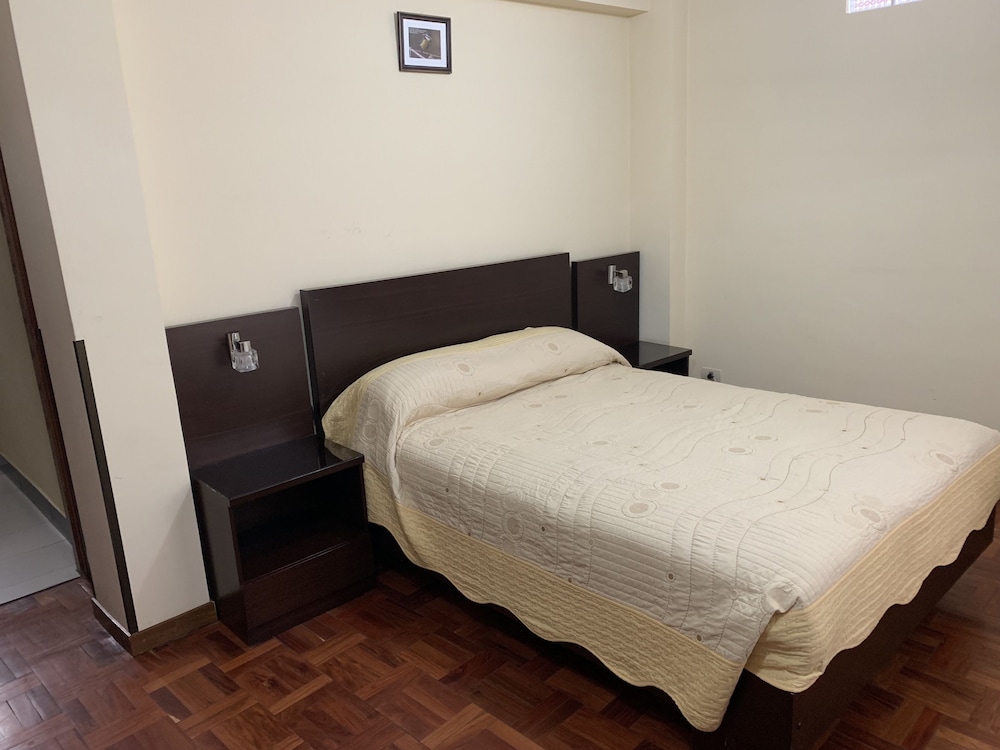
 A guesthouse room with heavy blankets and a window onto misty highland pines
Nights fall to 10 to 14 degrees in Marcala and lower on the ridges above 1,800 metres, and the difference between a good and a bad night here is a $5 upgrade to a room with a real water heater.
Why this is the amenity that matters above 1,200 metres
Visitors arrive in Honduras dressed for the Caribbean and are genuinely caught out by the highlands of La Paz. Marcala sits at 1,300 metres and drops to 10 to 14 degrees on December, January and February nights. Guajiquiro, Santa Elena and Yarula sit higher, between roughly 1,600 and 2,000 metres, where fog, wind and drizzle can make an afternoon feel colder than the thermometer says. Nothing here has central heating, and almost nothing has a fireplace. Your warmth comes from blankets and a functioning hot shower.
So the ranking below is not about luxury. It is about three checkable things: what heats the water, how many blankets are on the bed, and whether the room has an outside wall of single-skin block that radiates cold all night. Ask about all three at the door before you pay, in any guesthouse, at any price. Nobody will be offended; local guests ask the same questions. The answer is usually honest and it will determine how well you sleep.
1. Farm lodgings with gas water heaters
The best cold-weather sleep in the department is on a coffee farm with a gas or tank water heater and proper bedding, typically $35 to $50 a night with meals available at $4 to $7. Farms at 1,200 to 1,600 metres are used to cold, they have wool or heavy blankets as standard, kitchens run through the evening, and there is usually somewhere warm to sit with a coffee after dark. Some have wood stoves in the kitchen, which is as close to a fireplace as this region gets.
The catch is the last kilometre. Many of these sit up steep dirt access tracks that need clearance, particularly between June and October, and once you are up there for the night you are up there. Confirm the water heater specifically, because farms also use electric shower heads and the language used to advertise both is identical. If the answer is a gas heater and four blankets, book two nights; this is where you will sleep best in La Paz department.
2. Marcala town guesthouses in the $25 to $30 band
Within Marcala, the price step from $18 to $28 buys almost exactly this amenity: a tank or gas heater instead of an electric shower head, heavier bedding, and often a room with an interior wall that stays warmer overnight. That is the single best-value upgrade available in the department. You also keep the town on your doorstep, meaning hot food at seven in the evening and a café at six in the morning, which matters more than you would think when it is 11 degrees and dark.
What to check: the shower head. If you see a plastic unit with wires entering the top, that is an electric heater, and its output depends on water pressure, so a weak tank on the roof means cold water regardless of the setting. Also ask about the water schedule, since some streets receive mains supply for set hours only. Two questions, thirty seconds, and they eliminate the most common complaint visitors have about lodging in this region.
3. Highway hotels in the valley, for the wrong reason
The newer hotels on the road between La Paz city and the CA-5 have the most reliable hot water in the department, at $35 to $48, because they are built to a modern standard with tank heaters and often a generator to cover outages. But they sit at around 640 metres in a warm valley where you need air conditioning, not blankets. Booking them for warmth misunderstands the geography: the cold is two hours uphill, and these hotels are not.
They earn a place on the list for one specific case. If you have come down from four nights in the highlands, are catching a morning flight from Palmerola 25 to 30 minutes away, and want one predictable hot shower and a solid night before travelling, this is the right room. Beyond that, spend the money in Marcala, where the same $40 buys a farm room with a view over coffee terraces and a producer to talk to over dinner.
4. Highland hospedajes: cheap, cold, and manageable if you prepare
In Guajiquiro, Santa Elena, Yarula and Opatoro, the small hospedajes charge $10 to $18 and hot water is a coin flip. Some have an electric shower head, some heat a bucket on request, and some offer neither. Bathrooms may be shared. These are the coldest beds in La Paz department and also the most rewarding location, since you wake at 1,700 metres or higher in cloud forest, in towns where church fairs and the guancasco traditions between neighbouring communities still shape the calendar.
The workaround is to arrive prepared rather than to search for comfort that does not exist. Carry a fleece, a hat and thermal layers, ask for extra blankets on arrival, request hot water for washing in the evening rather than assuming a morning shower, and eat a hot dinner at a comedor before it closes at seven. Treat these as one deliberate night rather than a base, and the cold becomes part of the experience instead of a problem.
What to ask, in plain terms, before you pay
Four questions solve everything. Does the room have hot water, and is it a gas heater or an electric shower head. How many blankets are on the bed, and can I have another. Does this street have water all day or only at certain hours. Is there electricity backup if the power drops in a storm. Every guesthouse owner in Marcala and the highlands has answered these dozens of times, and a straight answer costs you nothing but tells you exactly what your night will be like.
Then look at the room. A window that closes properly, a door with a working bolt, bedding that is actually heavy rather than a thin printed quilt, and a bathroom where the shower head is not simply a pipe. If two of the four are wrong, walk two blocks; in Marcala there are always alternatives within a five minute stroll, and the $3 to $5 difference between the worst and the best room in that band is trivial against a cold, sleepless night at altitude.
The verdict, and what to pack regardless
Ranked for genuine warmth: a coffee farm room with a gas heater first, a $25 to $30 Marcala guesthouse second, the valley highway hotels third for the airport night only, and highland hospedajes last but worth one night for the setting. My ideal week: two nights on a farm, three in a Marcala town guesthouse with a proper heater, one night up in Guajiquiro or Santa Elena with warm clothes packed, and one final valley night before flying out of Palmerola.
Whatever you book, pack as if you were going to a European autumn as well as a tropical one: a fleece or light down layer, long trousers, socks you can sleep in, a rain shell for the ridges, and a hat. It weighs almost nothing and it transforms the Lenca highlands from an endurance test into the best part of a Honduras trip. The coffee is grown at these altitudes for a reason, and the cold that makes the cup good is the same cold that will find you at two in the morning.
Before you book
The questions people ask about Marcala, answered with this month’s numbers.
Marcala at 1,300 metres commonly drops to 10 to 14 degrees on December to February nights, with days in the low to mid twenties. Towns like Guajiquiro and Yarula, between roughly 1,600 and 2,000 metres, run several degrees colder with fog, wind and drizzle for much of the year.
An electric shower head heats water at the outlet and depends entirely on pressure, so a weak rooftop tank means a lukewarm trickle. A gas or tank heater delivers a consistently hot shower and is typically found in rooms from $28 upward, or on better-equipped coffee farms.
Essentially none have central heating, and fireplaces are limited to the occasional wood stove in a farm kitchen. Warmth comes from blankets and hot showers, so ask for extra bedding on arrival and choose a room with an interior wall, which stays noticeably warmer overnight than single-skin block.