La Paz Centro: a guide for tourists
 The central square and church of La Paz town in central Honduras
The departmental capital is a compact working town of about 30,000 people, 8 kilometres from Comayagua and 30 minutes from Palmerola airport, and it earns its two nights on logistics as much as charm.
Getting your bearings
La Paz city sits at roughly 640 metres on the southwestern edge of the Comayagua valley, with the mountains that lead to Marcala rising immediately behind. Everything a visitor needs is inside a grid of about eight blocks around the central square and the church: bank branches with ATMs, the municipal market, pharmacies, a couple of supermarkets, the comedores, the bus stops for Comayagua and Tegucigalpa, and every hotel in town. You can walk the entire centre in 20 minutes, and mototaxis cover anything further for $0.50 to $1.
Orient yourself by the square. The morning belongs to the market a couple of blocks off it, loudest between six and ten, when produce comes down from the highlands and up from the southern municipalities. Midday empties the streets in the March to May heat. From five in the afternoon the square fills again with families, students and snack carts, and that hour is the best free entertainment in the department. Parque Soberanía and the other green spaces give you somewhere to sit that is not a restaurant.
Where to stay, block by block
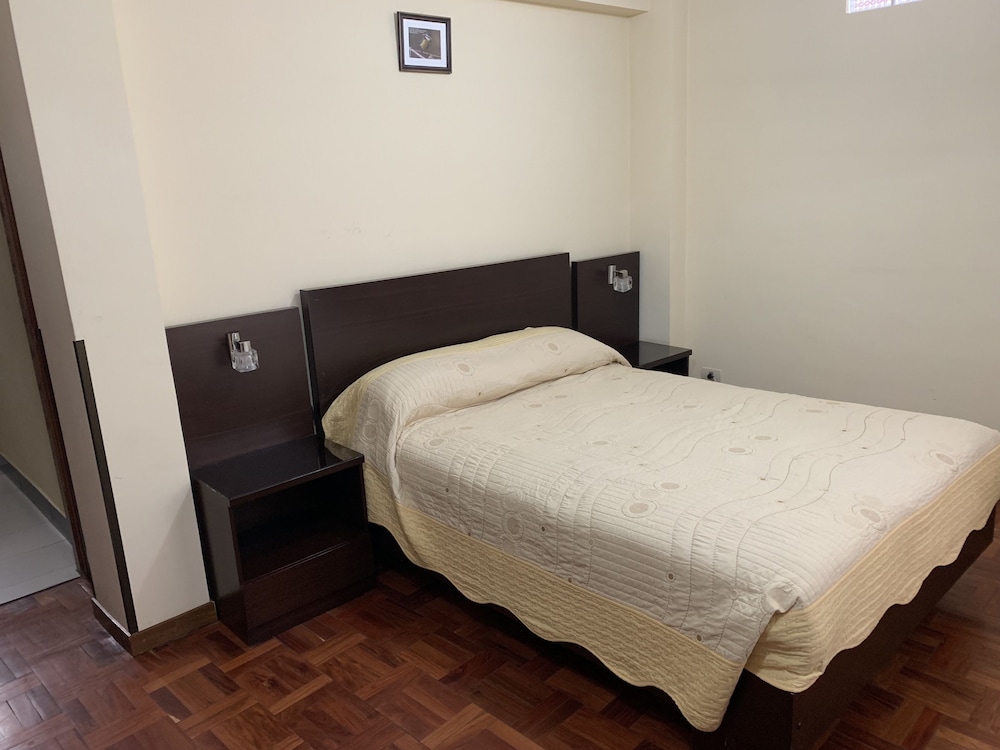
Within three blocks of the square you will find the courtyard guesthouses, old family houses converted into eight to fourteen room hotels around a tiled patio with a steel gate. Rates run $20 to $36 with private bathroom, fan, cable television and wifi, and the better ones have a gas water heater rather than an electric shower head. This is the right choice if you have no car, because you can walk to food and to the buses. Ask for an upstairs room at the back; the streets wake at five.
If you are driving, or catching a dawn flight, the newer hotels on the road toward Comayagua and the CA-5 charge $35 to $48 for air conditioning, hot water and a walled forecourt with a watchman. They have no atmosphere whatsoever and you will drive to every meal, but they solve the vehicle problem and put Palmerola 25 to 30 minutes away. My split: courtyard guesthouse for the town nights, highway hotel only for the night before an early departure.
Eating and drinking in the centre
The comedores around the market and the square serve the standard Honduran plate, grilled chicken or beef with rice, red beans, fried plantain, cabbage salad and tortillas, for $3.50 to $5, and portions defeat most visitors. Baleadas from street stands cost $0.80 to $1.50 and are breakfast for half the town. Fruit licuados run $1 to $2. In the evening, the grills and pupuserías near the square handle dinner for $4 to $7, and a sit-down restaurant meal rarely passes $9.
Coffee in La Paz city is honest rather than exciting; the good stuff is two hours uphill in Marcala. What the centre does have is the department's best market for provisioning: cheese, cuajada, sour cream, tortillas, avocados, and the highland vegetables that come down from Santiago de Puringla and Guajiquiro. If you are heading to a farm stay or the highlands, buy fruit and snacks here, because supply above 1,500 metres is thinner and pricier. Bottled water everywhere; do not drink from the tap.
What there is to see, honestly
Set expectations. La Paz city is not a colonial showpiece and does not pretend to be. The church on the square, the market, the parks and the everyday rhythm of a departmental capital are the sights. Give it an evening walk and a market morning and you have had the town. That is not a criticism, it is a scheduling instruction: do not allocate three days here expecting museums, and do not skip it either, because a working Honduran town at close range is more interesting than another cathedral.
The real draw is what La Paz city gives you access to. Comayagua, 8 kilometres and 15 minutes away, has the colonial cathedral with its famously ancient working clock, museums, and during Holy Week the sawdust carpets that draw crowds from across the country. Easter Sunday falls on 5 April in 2026, so the carpets are laid in the days before. The mountain road to Marcala starts from here, and the southern municipalities toward Aguanqueterique and Lauterique run off it.
Transport in and out
Buses and rapiditos connect La Paz city to Comayagua every few minutes through the day for around $0.60, taking 15 to 20 minutes, and the Comayagua terminal is where you pick up services along the CA-5 north to Siguatepeque and San Pedro Sula or south to Tegucigalpa. Direct buses to Tegucigalpa take about 90 minutes to two hours for $3 to $5. Services toward Marcala run through San Pedro de Tutule and take two to two and a half hours, costing $4 to $6, with the last useful departure in the early afternoon.
Palmerola international airport, the country's main gateway since it replaced most Tegucigalpa commercial traffic, is 25 to 30 minutes away by road. A taxi runs $25 to $30 and is the sane option with luggage. Car rental is easiest arranged at the airport rather than in town. Within La Paz city, mototaxis are the local transport, cheap and everywhere; agree the fare before you get in, though the answer is almost always under a dollar within the centre.
Practicalities: money, hours, safety
Bank branches around the centre have ATMs and are the last reliable ones before Marcala, two hours uphill, so withdraw here. Most guesthouses, comedores and mototaxis are cash only; carry small bills, since breaking a large note at a market stall is a hassle. Shops generally open by eight, close for the afternoon heat in some cases, and shut by six or seven. Sunday is quiet: many businesses close and the bus frequency drops noticeably, which catches out travellers planning a Sunday transfer.
On safety, the centre is a normal small Honduran city: busy and unremarkable by day, much quieter after dark. Standard practice is to take a mototaxi rather than walk after about nine, keep phones out of sight around the market, and avoid moving between towns at night, which is about road hazards as much as anything else. Petty theft is the realistic risk, not anything dramatic. Ask your guesthouse which few blocks they would rather you avoided; they will tell you straight.
How long to stay, and what I would do with two days
Two nights is right for most people, and one is enough if you are only passing through to Marcala. Day one: arrive, walk the market in the morning, take a mototaxi or a bus over to Comayagua for the cathedral and the colonial streets in the afternoon, back by six for the square. Day two: head south or into the hills, or use it as a buffer before the mountain drive. Anything more and you should be moving up to the coffee country, which is where the department's real interest lies.
One structural tip: treat La Paz city as the arrival and departure bracket, not the centrepiece. Land at Palmerola, sleep here, drive or bus up to Marcala for four or five nights, come back down for a final night near the airport. That routing avoids the two mistakes visitors make, which are trying to do Marcala as a day trip from the valley, and building an entire week around a town whose main asset is that it is conveniently placed.
Before you book
The questions people ask about Marcala, answered with this month’s numbers.
Stay in La Paz if budget matters and you are heading to the coffee highlands, since rooms run $20 to $48 against $55 to $90 in Comayagua and you are already on the Marcala road. Choose Comayagua for the colonial centre, a wider restaurant choice, or Holy Week.
About 20 kilometres, 25 to 30 minutes by road, with a taxi at $25 to $30. It is now Honduras's principal international gateway, which makes La Paz department far easier to reach than it was a few years ago. Hire cars are best collected at the airport.
From the stops and small terminal area near the centre of La Paz city, running through San Pedro de Tutule and taking two to two and a half hours for $4 to $6. Departures thin out after early afternoon, so travel in the morning and never plan to arrive after dark.