Is La Paz, Honduras accessible for wheelchair users? An honest assessment
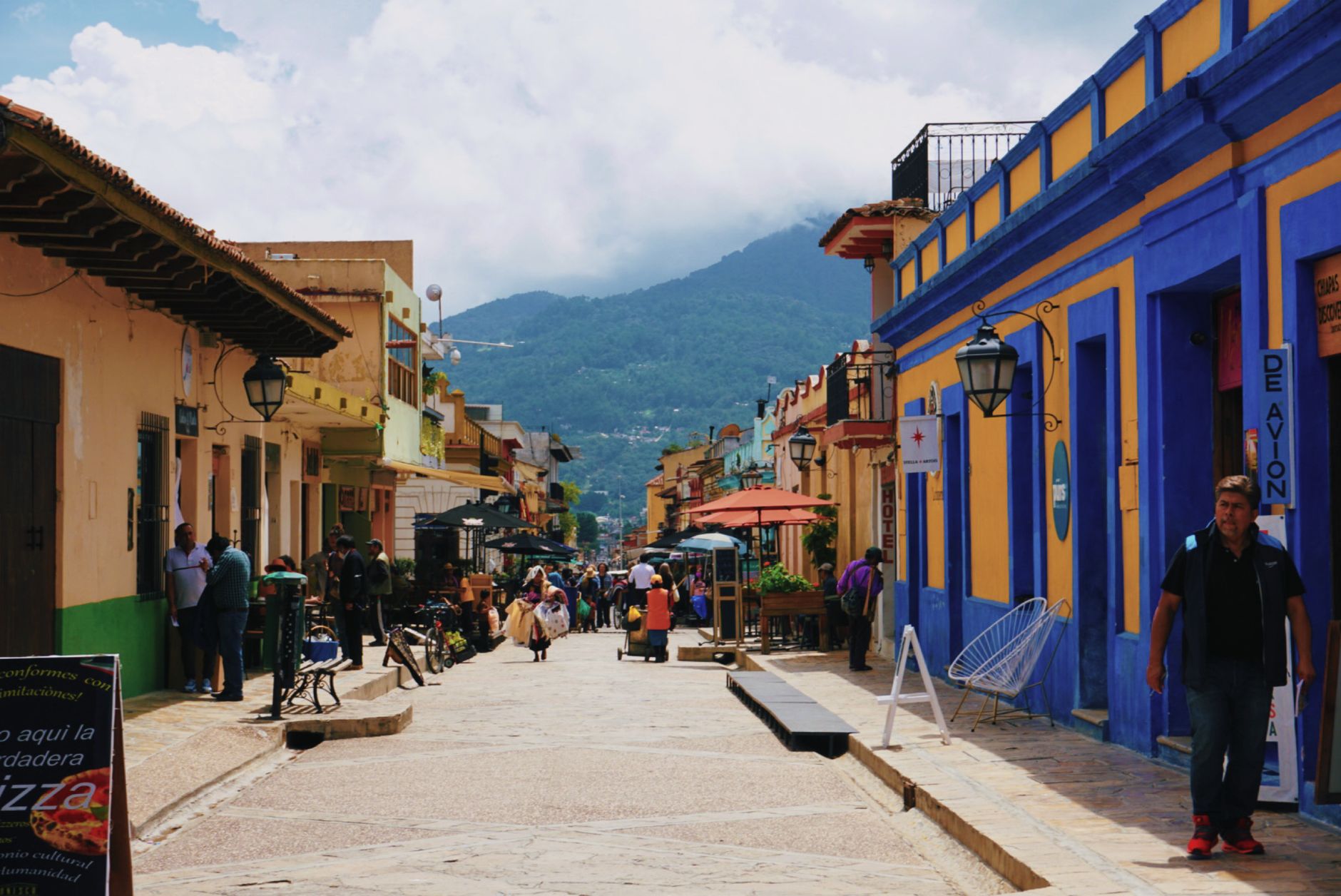 Narrow sloping street with high kerbs beside a colonial church in La Paz, Honduras
Difficult but not impossible: with a private vehicle at $60-100 a day, a travelling companion and a ground-floor room booked by photograph, a wheelchair user can do a genuinely good four-day trip here — independently, no.
The honest verdict up front
There is effectively no accessible infrastructure in this department. No dropped kerbs to speak of, no ramps into most buildings, no lifts in the small hotels, no accessible public transport, no adapted taxis, and no wheelchair-accessible bathrooms in the ordinary sense. What exists instead is a culture where people help without being asked, doorways that are often wide because they were built for carts and furniture, and enough flat plaza-level ground in La Paz city and Marcala to have a good day out. That combination makes a supported trip realistic and an unsupported one unwise.
The plan that works looks like this: a private vehicle with a driver for every travel day, a companion who can manage kerbs and a step or two, accommodation on the ground floor confirmed with photographs before you pay, and an itinerary built around flat destinations rather than trails. Budget $60-100 a day for the driver, $35-70 a night for a room worth having, and accept that two or three items on a normal La Paz itinerary — waterfall walks, mountain village visits on dirt roads, the crowded market interior — come off the list. What is left is still worth the flight.
Pavements, kerbs and gradients: the real obstacle
The problem is not distance, it is the edges. Pavements in La Paz city and Marcala are typically narrow concrete strips, often less than a metre wide, with kerbs of 15 to 25 centimetres and no cut-downs at corners; they end abruptly, carry parked mototaxis and are broken by drainage channels. In practice a wheelchair user travels in the road, which is fine on quiet residential streets and unpleasant on the commercial blocks around the market on trading mornings. Surfaces vary between smooth concrete, coarse chip seal, cobble patches and packed earth within a single block.
Gradient is the second issue. Both towns sit in hill country and the streets running away from the plazas pitch up hard enough that a self-propelling user will want a push, while a companion pushing uphill in the afternoon heat will want to stop. The flattest usable ground is the plaza itself and the two or three streets that ring it, which is genuinely where most of the value is: church, benches, shade, coffee, bakeries and mototaxi ranks. Plan hub-and-spoke on foot from the plaza and use the vehicle for anything more than three or four blocks away.
What ground floor actually means in a local guesthouse
Small hotels and guesthouses here are usually two or three storeys around a courtyard, with no lift, so ground floor is the whole conversation. Ask before booking, in writing on WhatsApp, and ask for photographs rather than assurances: the entrance from the street, the doorway width, the bathroom door, the shower, and the route from the parking area to the room. Expect a step or two at the front door almost everywhere, a bathroom door narrower than the bedroom door, and a shower with a raised lip rather than a level entry. None of that is disclosed on booking sites.
Price bands are worth knowing. Simple rooms at $18-30 will rarely work without carrying a chair over a threshold. The $35-60 band in La Paz city and Marcala is where you find wide doorways, tiled level floors and a ground-floor room off a courtyard, and where a manager will move furniture for you if asked. Above $70 you may get a newer building with better bathroom space, though still no grab rails. Bring a portable folding ramp if you can, ask for the room nearest the entrance, and confirm hot water at the same time — highland nights are cool.
Transport: what is out, and what works
Rule out the rapiditos. Minibuses have a high step, a narrow door, no space for a chair beyond the roof rack, and they board fast on the move. Long-distance buses are similar, with luggage stowed underneath and no aisle chair. Mototaxis are a maybe: the step-up is significant and the cabin is tiny, but for a user who can transfer with help and travel with a folding chair stowed at their feet, they cover short distances for $0.60-1.20 and they go where cars will not. Discuss it before boarding rather than at the kerb.
What works is a private vehicle. A hired car or pickup with a driver runs $60-100 a day within the department including fuel, arranged through your accommodation the day before, and a high-clearance SUV with a wide rear door makes transfers far easier than a saloon. Specify a folding-chair boot and a driver willing to help with transfers, and agree waiting time so you are not rushed. Airport transfers from Palmerola to La Paz city, about 45 minutes, cost roughly $50-90 privately, which is the right way to arrive rather than transferring twice on buses.
Airports and the arrival day
Fly into Palmerola (XPL) near Comayagua rather than Toncontin if you have the choice. It is the newer terminal, with jet bridges, lifts, accessible toilets and staff used to requesting assistance, and it sits about 45 minutes from La Paz city on paved road, avoiding Tegucigalpa entirely. Book wheelchair assistance with the airline at least 48 hours ahead, label your own chair clearly, and gate-check it rather than putting it in the hold at check-in where possible. Carry spare inner tubes, a puncture kit, and any bolts or castors that are hard to source.
Plan the arrival day as a non-day. Land, transfer, get into the room, and do nothing more ambitious than sit on the plaza with a coffee. That gives your driver a chance to see the vehicle-to-room route in daylight, gives you a chance to identify which pavement corner you will actually use, and leaves the energy for a fuller day two. If you arrive after dark, the combination of unlit streets, high kerbs and drainage channels makes even 200 metres genuinely risky, so arrange for the vehicle to take you door to door.
Which sights work and which do not
The plazas of La Paz city and Marcala work: flat, shaded, benches, cafes on the perimeter, and a church that will usually have a step or two at the door with someone happy to help. Coffee is the strong card. Around Marcala, co-op facilities such as COMSA and producer organisations including COMUCAP have concrete drying patios, warehouse floors and cupping rooms that are largely flat and sometimes level with a vehicle drop, so a tasting and a mill tour at $15-40 a person can be done seated with minor assistance. Ask specifically about steps into the cupping lab when you book.
What does not work: the waterfall walks, which involve loose stone paths, streambed crossings and steep descents; farm walks on the hillsides, where the terrain is 30-degree earth between coffee rows; and the unpaved climbs to Guajiquiro, Opatoro and Yarula, where the road itself is punishing and the villages have no flat pavement, no accessible toilet and no vehicle you could transfer into locally. The market interior is a hard maybe — the aisles are 60 to 80 centimetres wide and packed on trading mornings, so go mid-afternoon on a quiet day if at all.
Other access needs, and medical practicalities
For visual impairment, the hazards are the same edges: unmarked drops of 20 centimetres, open drainage channels, unlit streets after about 6.30 pm, and vehicles that use the horn rather than slowing. A guide at $20-40 for a half day, plus a companion, changes the experience completely, and the sensory side of the region — a wet mill in harvest, roasting, market noise, church bells — carries a lot of the value. For hearing impairment the practical issues are transport information given by shouted announcement and the absence of written timetables, so confirm departure times in writing on WhatsApp.
Two medical notes. Altitude sits roughly between 700 and 2,000 metres depending where you go, with the mountain municipalities highest, so anyone with a respiratory or cardiac condition should keep to the town levels and avoid a same-day climb to Guajiquiro. Pharmacies in La Paz city and Marcala are well stocked with common medicines and staff are helpful, but bring your own prescriptions in original packaging with a doctor's note, and know that serious care means Comayagua or Tegucigalpa. There is no wheelchair repair service in the department: bring tools, spares and a second pair of hands.
Before you book
The questions people ask about La Paz, answered with this month’s numbers.
Not in the certified sense, with roll-in showers and grab rails. What exists is workable ground-floor rooms in the $35-60 band with wide doorways and level tiled floors. Ask on WhatsApp for photographs of the entrance, the bathroom door and the shower lip before paying, and request the room closest to the street door.
Minibuses are not viable: high steps, narrow doors, no chair space and fast boarding. Mototaxis can work for short hops at $0.60-1.20 if you transfer with help and stow a folding chair. The reliable option is a private vehicle with a driver at $60-100 a day, booked through your accommodation.
Palmerola (XPL) near Comayagua. It has jet bridges, lifts and accessible toilets, and it is about 45 minutes from La Paz city on paved road, so you skip Tegucigalpa's traffic. Request assistance with your airline at least 48 hours ahead and arrange a private transfer, roughly $50-90, rather than changing buses.
A mill and cupping visit, yes — drying patios, warehouse floors and tasting rooms around Marcala are mostly flat, and co-ops such as COMSA and COMUCAP can often arrange a seated tour and tasting for $15-40. The hillside walk between coffee rows is not feasible; ask to substitute extra time at the mill.