La Paz, Honduras with kids: a three-day itinerary that survives a six-year-old
 Children watching a horse being loaded with coffee sacks on a highland farm track
Three days paced for short legs, with no drive over 60 minutes, two bases, five things that reliably work for ages 4 to 11 and the four plans I would drop.
What actually entertains children here
There are no theme parks, no aquariums, no cinema multiplex and no swimming complexes in La Paz department. What there is, and what children between four and eleven respond to far better than adults expect, is animals and process: horses being loaded, coffee being pulped and spread, cheese being pressed, chickens loose in a market, a river with shallow pools, a pickup ride standing in the bed. Every good day here is built on one of those, plus a plaza where kids can run while you sit with a $1 coffee and watch.
The constraint is driving. Highland roads mean 25 to 40 km per hour averages, switchbacks and car sickness, so the itinerary below caps every transfer at 60 minutes and keeps two of the three days walkable from the room. Altitude is a minor factor: Marcala at 1,300 m is fine for children, but nights of 12 to 15 C from December to February surprise families who packed for the tropics. Bring fleeces, long trousers and a hat, and expect to buy an extra blanket's worth of warmth at your hotel.
Day 1: arrive, La Paz Centro market and the plaza
Fly into Palmerola and drive 35 to 45 minutes to La Paz Centro, or take a taxi for $30 to $40. Check in by early afternoon at a mid-range hotel four blocks off the Parque Central, $35 to $55 a night, and ask for a ground-floor room with a courtyard if you have a runner. Do nothing for an hour. Then walk to the mercado municipal at 15:00, which is the best free entertainment in town for children: live poultry, sacks of dried beans, stalls of mangoes and bananas, and vendors who will happily hand a child a slice of something to try.
Give each child $2 in small notes and let them buy fruit themselves, which occupies twenty minutes and teaches the currency faster than any explanation. Dinner at 17:45 at a comedor near the market, because kitchens fill from 18:30 and children fall apart at 19:00: beans, rice, cuajada, tortillas and fried plantain for $3.50 to $5 a plate, and no chilli in any of it. Sleep in La Paz Centro. Streets around the plaza are lit and busy enough for an after-dinner ice cream walk, which is worth building into the routine.
Day 2: Tutule market and a coffee farm morning
Leave at 07:30 for San Pedro de Tutule, 40 to 50 minutes on paved road, timed so nobody has been in a car for longer than one episode of anything. The junction market is a hit: mud, cabbages the size of footballs, dried fish, live chickens in crates, and $2 baleadas cooked in front of you. Forty-five minutes here is enough. Then continue 45 minutes to Marcala and check in to a guesthouse near the plaza, $30 to $55, before lunch, so bags are down and a nap is possible.
The afternoon anchor is a coffee farm visit on the outskirts, arranged through your guesthouse the day before, $10 to $25 a head with children usually free or half price. Ask specifically for the working parts rather than a tasting: the depulper, the drying patio where they can rake parchment, the mule or horse that carries sacks. During the November to February harvest there is real activity; in the green season it becomes a walk among flowering coffee with a demonstration, which still works. Sleep in Marcala, two blankets per bed.
Day 3: a river morning, then out
Third mornings should be physical and short. From Marcala, take a colectivo pickup or drive 20 to 30 minutes toward the Chinacla road and walk down to a shallow stretch of river where local families wash and children swim. Go between 08:30 and 11:00, when the water is coldest but the sun is on it, and never within two hours of a green-season downpour, because these rivers rise fast and brown. Bring towels, water shoes, snacks and $10 in small notes for whatever gets sold at the road.
Back in Marcala by 12:00 for lunch, then decide. If you fly from Palmerola, allow 2.5 hours of driving with a stop, and leave by 14:00 for an evening departure. If you have another night, stay in Marcala rather than repositioning, and spend the afternoon on the plaza: balloons, an ice cream, a football, and the small-town evening promenade that children find much more interesting than adults do. Do not attempt Marcala to Tegucigalpa with young kids after 15:00; that is three and a half hours of curves in fading light.
Food that children will actually eat
Baleadas are the workhorse: a flour tortilla with refried beans, cream and cheese, $1.50 to $2.50, available everywhere, spice-free and portable. Beyond that, plain rice, fried plantain, grilled chicken, quesillo and fresh cuajada get eaten by fussy children without negotiation. Fresh fruit is excellent and cheap: bananas, mangoes in the March to May season, oranges, and highland blackberries and stone fruit in the Marcala and Opatoro area. Licuados, fruit blended with milk, run $1.50 to $2.50 and solve the drink problem in a country where soft drinks are ubiquitous.
What to be careful with: street-side raw dairy, unpeeled salads, and ice in the smaller comedores. Stick to bottled or filtered water throughout, roughly $1 for a 1.5-litre bottle or $2 for a 5-litre jug, and bring rehydration sachets from home because they are not always easy to find in small towns. Sopa de mondongo and sopa de gallina india are wonderful for adults and rarely a win with children under eight. Order them for yourself and a plain plate for the kids, which every comedor will do without fuss.
Rooms: what to ask before you book
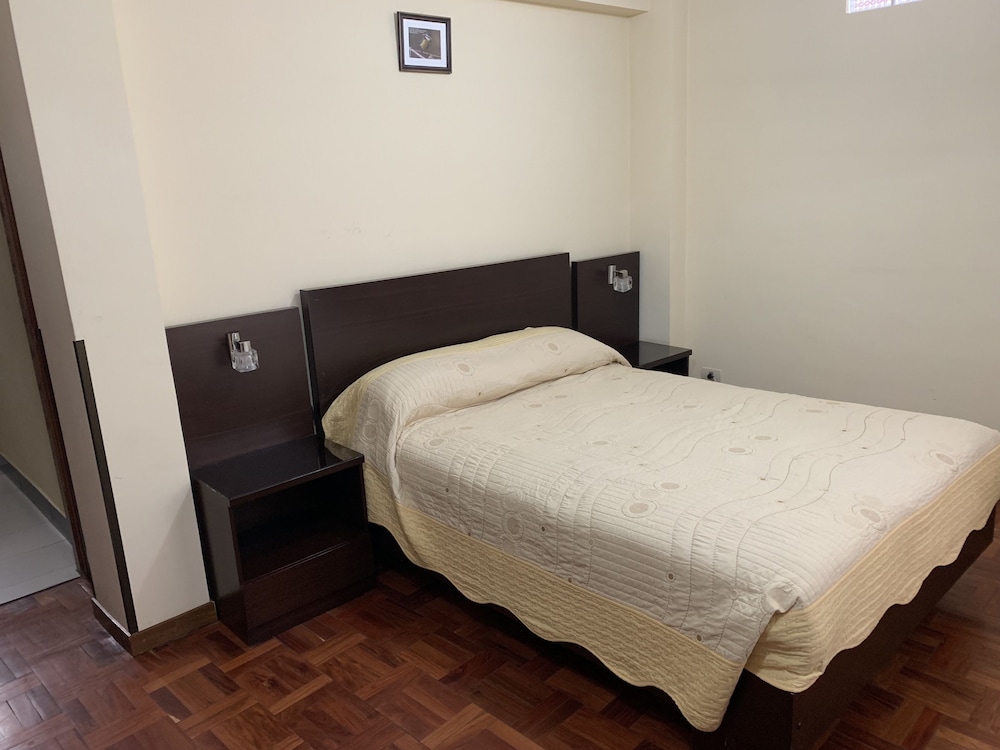
Family space in La Paz department mostly means a room with two double beds rather than a suite or an interconnecting pair, and extra beds run $8 to $15 when they exist at all. In La Paz Centro, the mid-range hotels near the plaza at $35 to $55 are the practical family choice: hot water, reliable power, secure parking, and a courtyard. In Marcala, guesthouses at $30 to $55 give you cooler nights and better walking, but ask three questions before booking with children: hot water at what hours, how many blankets, and is there a stair or balcony with a wide gap.
Skip the countryside cabañas and finca stays 6 to 14 km up unpaved roads unless you have a 4x4 and older children. They are lovely, and they also mean cold nights, insects, occasional generator power, no evening food options and a 40-minute drive to a pharmacy. If a child spikes a fever at 21:00, you want to be four blocks from a plaza. Book the mountain stay on a return trip when nobody in the party is under ten, and use the corridor towns this time.
Health, safety and the four plans I would drop
Practicalities: child car seats are not standard in rentals, so bring your own if you need one, and expect no seatbelts in colectivo pickups, which is a judgement call each family makes for themselves. Sun at 1,300 to 1,600 m is stronger than the 22 C air suggests, so hats and factor 50 for everyone. Pharmacies in La Paz Centro and Marcala stock the basics and a clinic is reachable in both towns; anything serious means Comayagua or Tegucigalpa, which is 45 minutes and three hours respectively.
Drop these four. The Guajiquiro and Santa Elena high loop, which is seven hours of rough road in two days and will be remembered as the trip where everyone was sick in the car. The southern municipios, at 34 C with cold-water hospedajes. Any waterfall hike over 90 minutes each way with under-sevens. And multi-town days in general: two bases in three days is the right number, and a family day here works best as one activity before noon, lunch, then a plaza. Under-plan it and everyone enjoys themselves more.
Before you book
The questions people ask about Marcala, answered with this month’s numbers.
Not too cold, but colder than families expect: 12 to 15 C at night from December to February, with no heating and often one blanket per bed. Pack fleeces, long pyjamas and socks, ask for extra blankets at check-in, and choose a room with hot water confirmed rather than promised.
Yes, with adjustments. The La Paz Centro to Tutule to Marcala corridor runs on rapiditos and buses at under $2 a leg, and moto-taxis cover both towns for $1 to $2. What you lose is flexibility, and standing in a colectivo pickup bed with a small child is not for everyone. Budget an extra day.
A few of the larger hotels along the approach roads have small pools, usually unheated and cold at highland temperatures. Reliable water play means a river morning between 08:30 and 11:00 in the dry season, with water shoes and an adult downstream, or the warmer lower-altitude streams nearer La Paz Centro.
Six to eleven works best: old enough for a two-hour farm visit and a 3 km walk, young enough to be thrilled by a horse, a market chicken and a pickup ride. Under-fours are hard because of the driving and the lack of dedicated facilities, not because of any danger.