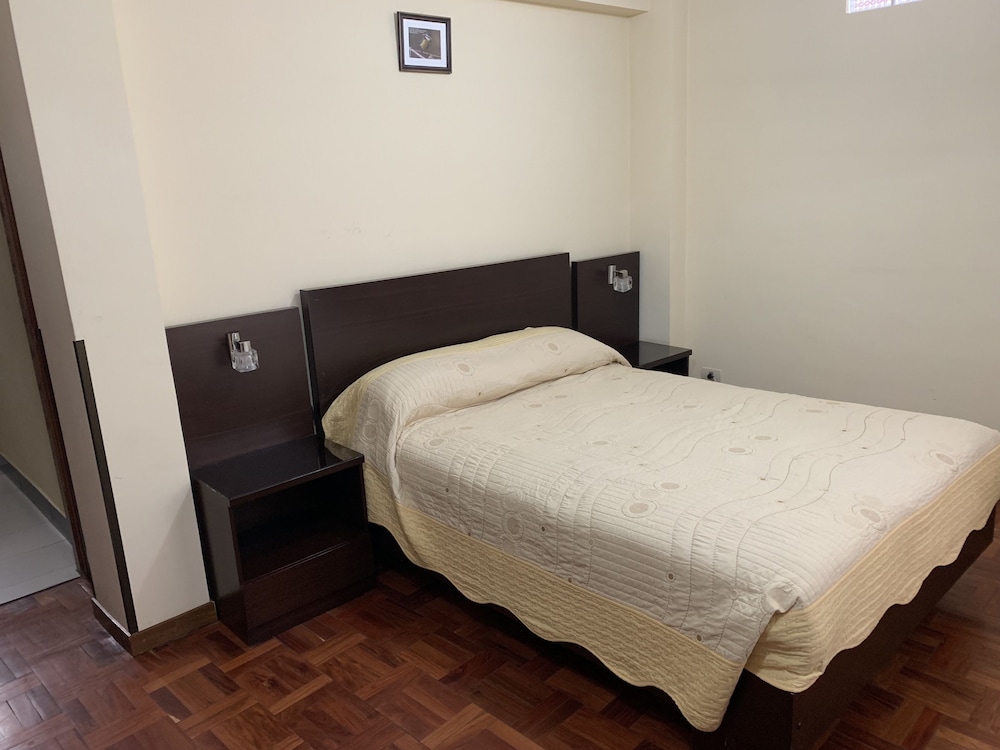
Hotels with kitchenettes and monthly rates in La Paz and Marcala, ranked
 Small kitchenette with gas ring and fridge in a highland Honduran apartment rental
Eight self-catering options across the department, ranked for anyone staying two weeks to three months, with monthly bands from $250 to $900 and the catches nobody lists.
Who actually stays a month here, and why it changes the shortlist
The long-stay market in this department is not tourists. It is coffee buyers and quality control staff camped in Marcala from December to March, agronomists on cooperative contracts, NGO and health project workers based in La Paz Centro, teachers on placement, and the occasional researcher working in the Guajiquiro reserve. That demand has produced a small stock of apart-hotel style rooms and long-let annexes that never advertise themselves as such, because they fill by word of mouth. If you search only booking platforms you will see the nightly rate and miss the fact that the same room costs 40 percent less by the month.
It also means the useful amenity is rarely a full kitchen. What you actually want is a two-ring gas hob, a fridge that holds a week of vegetables, a sink you can wash a pan in, and somewhere to store a 25-pound gas cylinder safely. Ovens are rare and you will not miss one. Laundry access matters as much as cooking: at $2 to $4 a load done for you, or a pila and a line, the difference over a month is real money and a lot of clean shirts.
One and two: the apart-style rooms in La Paz Centro
First place goes to the small blocks of studio-style rooms in the residential streets between the parque central and the road out toward Cane, typically a bedroom, a bathroom and a counter with a two-ring hob and a fridge. Nightly they run $40 to $55; negotiated by the month, $450 to $650 including water, power and Wi-Fi. They suit anyone who needs to be in the departmental capital for offices, the hospital or bus connections, and who wants to walk to the market rather than drive. The honest catch is noise: these streets carry moto-taxis from 5:30am and dogs all night.
Second are the annexes and back-house apartments rented directly by families, usually found by asking at a pulpería rather than online. $300 to $450 a month, sometimes furnished only with a bed, a table and a hob. You supply bedding, a fan and the gas cylinder, which costs around $12 to $16 to refill. This is the cheapest genuinely comfortable way to spend three months here, but it needs Spanish, a deposit, and a tolerance for a landlord who assumes you are staying a year. Not worth the friction for stays under a month.
Three to five: Marcala's harvest-season stock
Third are Marcala's larger guesthouses that keep two or three rooms with kitchenettes specifically for buyers who stay six weeks. $45 to $65 a night in season, $600 to $900 a month, and they know exactly what that market will pay, so discounts are thinner here than in La Paz. What you get for it is a fifteen-minute walk to cupping labs and cooperative offices, secure parking for a rented pickup, and staff used to people who leave at 5:30am and return at eight in the evening. Book by October for a January arrival; by December the good rooms are gone.
Fourth are the plainer town rooms with a shared kitchen rather than a private one — $25 to $35 a night, $350 to $500 monthly, and perfectly workable if you cook simply. Fifth are farm lodgings above town that include three meals rather than a kitchen: $60 to $110 a night with food, which sounds expensive until you price a month of restaurant meals and taxi rides down the hill. If you have no vehicle, the farm option quietly becomes the worst value of the three, because you are stranded on a dirt road four kilometres from a tortillería.
Six to eight: valley towns and the mountain municipalities
Sixth are the roadside rooms in San Pedro de Tutule and around Santiago de Puringla, $20 to $32 a night and roughly $300 monthly, positioned on the La Paz-to-Marcala road so you can work both ends of the department without a two-hour commute in either direction. Kitchen facilities are usually a shared back kitchen with a gas hob and a fridge that the whole house uses. It is basic, it is friendly, and the trade-off is that there is very little to do after dark and almost no restaurant choice beyond comedor food closing at eight.
Seventh are cabañas around Opatoro and Guajiquiro rented by the week, $180 to $350, with a wood stove, a gas ring and cold water. Beautiful, cold at night, and dependent on a road that is genuinely difficult in September and October. Eighth are homestays in Santa Elena, Yarula and Chinacla, $12 to $20 a night with family meals included, where you will not cook at all. Skip the eighth option if you have dietary restrictions or need to work online; take it if the point of the month is language and Lenca community life.
The shopping and cooking reality
La Paz Centro's municipal market plus the small supermarkets on the main streets cover the basics well: eggs, beans, rice, plantain, tomatoes, onions, cabbage, avocado in season, decent cheese from the valley dairies. A week of ingredients for one person runs $18 to $30. Meat is best bought early in the morning. Marcala's market is smaller but the town has enough shops that you will not go short, and both towns have tortillerías selling by the pound — around $0.60 to $1 for enough for two people for a day, which makes cooking here cheaper and faster than it sounds.
The gas cylinder is the thing to sort on arrival. Most kitchenette rooms include one, but confirm who pays for the refill on a long stay; a 25-pound chimbo lasts a solo cook six to ten weeks. Also confirm water storage. Municipal supply in both towns is scheduled rather than constant in the dry months from February to April, so a property with a ground tank and a rooftop tinaco gives you water on days when your neighbours have none. Ask to see the tank, not just be told about it.
Negotiating the monthly rate without insulting anybody
The rule of thumb: expect 30 to 45 percent off the nightly rate for 28 nights or more, paid half up front and half at the midpoint. Ask in person or by WhatsApp, in Spanish, framed as a question about a precio mensual rather than a demand for a discount. Say the dates precisely. Owners here price on certainty, and a guest who commits to six weeks in the low season from May to August will be quoted better than one who wants a rolling weekly arrangement in January when the coffee crowd is bidding.
Get four things in writing, even informally: what is included (power, water, internet, gas, cleaning), how often the room is cleaned, whether linen is changed weekly, and what happens if you leave early. The last one causes almost every dispute. Also ask whether the rate changes in harvest season, because a January renewal at a December price is not automatic in Marcala. If you want a single recommendation: for a two-month stay I would take the La Paz Centro studio at around $550 a month and rent a car for two days a week rather than base myself in Marcala.
Working out where to base yourself
Base in La Paz Centro if your work touches government offices, the hospital, banks, or if you need frequent runs to Palmerola airport, which is 30 to 40 minutes away, or Tegucigalpa at roughly two hours. It is hotter and lower than the coffee country, which suits some people and not others, and it has the department's best supply of everything from hardware to pharmacies. Buses run constantly to Comayagua, so you are never stuck. The trade-off is that the scenery starts an hour away.
Base in Marcala if your work is coffee, or if you want cool nights at 1,300 metres, a walkable town, decent cafés and quick access to the ridges toward the Salvadoran border and the Nahuaterique area. The trade-off is that everything administrative is two hours back down the road, and the choice of long-stay rooms is smaller and more expensive in season. Basing in San Pedro de Tutule splits the difference at the cost of atmosphere, and I would only do it with a vehicle and a specific reason.
Before you book
The questions people ask about Marcala, answered with this month’s numbers.
Between 30 and 45 percent off the nightly rate for 28 nights or more, and more in the low season from May to August. In Marcala during the December-to-March harvest, discounts shrink to 15 or 20 percent because buyers will pay full rate for six weeks straight.
The cylinder is normally in the room, but the refill is often the guest's cost on a long stay — around $12 to $16 for a 25-pound chimbo, which lasts a solo cook six to ten weeks. Agree it before you move in rather than at checkout.
Municipal water in La Paz Centro and Marcala is scheduled rather than constant, especially February to April. A property with its own ground tank and a rooftop tinaco carries you through. Ask to see the tank and check the rooftop unit is full before you commit to a month.
Yes in La Paz Centro and Marcala, where fibre from the main carriers reaches most central streets and gives 20 to 50 Mbps down. Confirm the router is in your room or the adjacent wall, not two floors away, and ask whether the connection is shared with a restaurant downstairs.