Coffee harvest season in Marcala: what November to March is really like for visitors
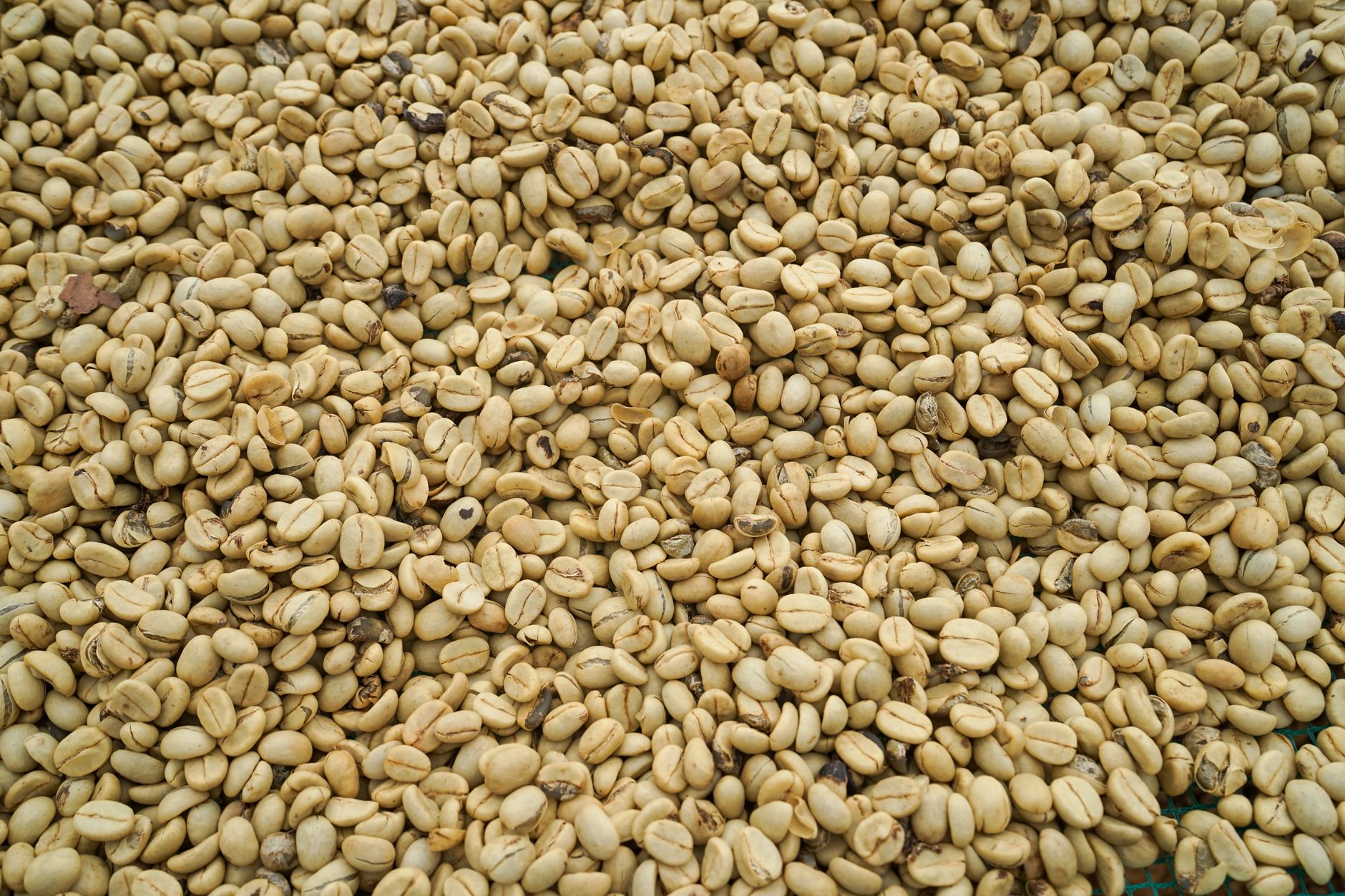 Coffee cherries drying on a raised patio above Marcala in the January sun
Five months of picking, one four-week peak, and a town whose room stock, traffic and cash economy all change shape — plus the six months when the mills stand silent.
The picking calendar, month by month
Harvest in the Marcala denomination-of-origin area follows altitude. The lower farms, around 1,000 to 1,200 metres toward the edges of the municipality, start giving ripe cherry from early to mid-November. Through December the picking moves upslope and volume builds fast. January is the flat-out month across the whole belt, when the wet mills run late and the drying patios and raised beds are covered every day. February belongs to the high farms above 1,500 metres, which is where the most interesting lots come from, and by mid-March only the tail is left, with the last passes finishing before the end of the month.
That means the visitor question is not really which month but which altitude you want to see. Come in late November and you will find plenty of activity but mostly commodity-grade lots and half-empty patios. Come in February and you will see the small high-altitude producers who supply the specialty exporters, working with washed and honey processes and fermentation logs on a clipboard. If you want the whole machine visibly running at once, from picker to drying bed to warehouse, the second and third weeks of January are the answer and nothing else comes close.
Why beds get tight, and who is taking them
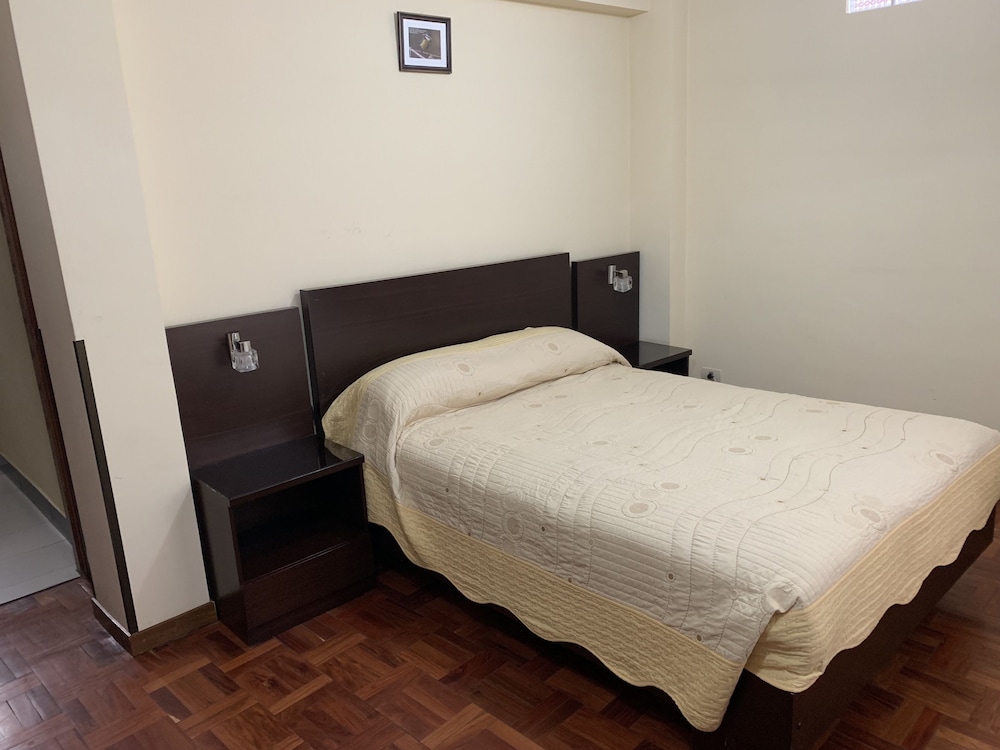
Marcala's accommodation stock is small, perhaps a few hundred rooms across the town and the surrounding farms, and in harvest it competes with three groups of non-tourists. First come the migrant pickers, who mostly sleep on the farms rather than in hotels but who occupy anything cheap in town at the shoulders of their contracts. Second come the domestic and international buyers, quality-control staff and cooperative visitors, who take the mid-range rooms with reliable hot water, wifi and parking for a week at a time. Third, from January, come the certifiers and auditors.
The result is a specific pattern: cheap beds and good beds go, and the middling ones remain. Anybody arriving in mid-January expecting to walk in and choose is disappointed. Book the room you actually want by early December, and if you need something particular — a desk, a hot shower every morning, secure parking for a rental — say so on the phone, because those attributes are exactly what the trade buyers already reserved. Weekends are the tightest nights, since exporters fly in for Monday cupping tables and land on Saturday.
What it costs, harvest against off-harvest
In January and February, expect $18-28 for a simple room in central Marcala, $45-70 for a comfortable double with hot water and parking, and $60-110 for a room on a working farm with meals and a farm walk included. Those same categories in July run $12-18, $28-45 and $35-60. The uplift is real but modest by international standards, and it is not applied uniformly: family-run places often charge the same all year and simply sell out, while the properties that deal with trade visitors know exactly what a buyer's expense account will bear.
There is a hidden cost to harvest that nobody quotes. Guides, drivers and farm hosts are all busy, so the personal attention you get in June — three hours walking the plot with the owner — becomes a 45-minute visit fitted between truckloads. If your reason for coming is a long, unhurried conversation about processing, the shoulder months of late March or October will actually give you more, and cheaper. If your reason is to see the harvest work happening, accept the shorter visits and pay the January rate.
What you can see, and at what hour
The day has a rigid shape and turning up at the wrong hour wastes it. Pickers start between five and six in the morning and are usually done by early afternoon, so if you want to see cherry coming off the tree you must be on the farm by seven. Cherry arrives at the wet mill in the late afternoon, and depulping and fermentation happen from about four in the afternoon into the night, which is why mill visits are often offered at dusk. The drying patios and raised beds are turned repeatedly through the middle of the day, roughly nine to three, and that is the easy midday activity.
Cupping happens in the mornings, generally between eight and eleven, at cooperative labs and exporter warehouses in and around Marcala. Larger organisations such as COMSA and RAOS have a long history of receiving visitors, but during peak weeks their tables are working tables with real decisions on them rather than demonstrations. Ask a day ahead rather than turning up. If you can only see one thing, choose the wet mill in the evening of a January day: it is the loudest, wettest, most human part of the process and the part nobody photographs.
The town in harvest: cash, trucks and noise
Marcala in January is a working town with money moving through it. Pickup trucks loaded with sacks come down the mountain roads from mid-afternoon, the road out toward Chinacla and the farm tracks carry constant traffic, and the bank queues on payment days stretch out of the door. Cash is everywhere and card acceptance is still patchy, so bring more cash than you think and do not assume the ATMs will be stocked on a Friday. The Sunday market swells with people down from the villages spending harvest wages, and it is the single best morning of the year to be in town.
Two practical consequences. Noise: town-centre rooms near the main streets get truck traffic and early departures from four in the morning, so ask for a room off the street or take one on a farm outside. And road sharing: those loaded pickups own the mountain roads and will not give way on a blind bend, so drive slowly and pull in. None of this is unpleasant; it is the department at its most alive, and it is the reason a coffee-interested visitor should come now rather than in the pretty, empty green of August.
The other half of the year on the farms
From April the machinery stops. May brings flowering, a three or four day event after the first rains when the hillsides go white and smell of jasmine, and it is genuinely worth planning around if you can be flexible. June to September is maintenance: pruning, shade management, compost and organic input preparation, nursery work, and rust monitoring. Farms will still walk you through the plot and will still cup last season's lots, and a good producer can explain more in that quiet period than in the middle of the rush. What you cannot see is a mill running, because there is nothing to mill.
October is the awkward month. Nothing is happening, the rains are at their heaviest and the dirt roads are at their worst, and last season's coffee has mostly shipped. Unless you want to talk about soil biology in the rain at a very low price, it is the one month to skip. Cooperative offices also compress their visitor programmes between June and September because staff take leave then, so confirm directly rather than assuming a published tour will run.
The single month to book if you only come once
Mid-January. The specific window is roughly the 10th to the 25th: the Christmas and New Year congestion has cleared, the whole altitude range is in production simultaneously, the weather is at its most stable with bright days of 24-26C and cool 11-13C nights, and the dirt roads to the higher farms are dry and firm. You get pickers at dawn, patios at noon, mills at dusk and cupping tables in the morning inside a single 24-hour cycle, which no other month gives you.
The costs of that choice are the ones listed above: book by early December, pay $45-70 for a good town double or $60-110 for a farm room, expect shorter and busier visits, and share the roads. If those trade-offs bother you more than they should, take late February instead. Volume is lower but the high-altitude lots are coming in, rooms loosen noticeably after the middle of the month, and the weather is still dry ahead of the March heat and burning haze. Those two windows are the whole answer; everything else is a compromise in one direction or the other.
Before you book
The questions people ask about Marcala, answered with this month’s numbers.
Mid-January, roughly the 10th to the 25th. Every altitude band is picking at once, so you can see harvesting at dawn, drying patios at midday, wet milling at dusk and cupping in the morning. Book rooms by early December, because trade buyers take the good ones first.
Some farms will let you spend an hour or two on a row during peak weeks, usually as part of a paid stay rather than a standalone activity. You will be slow and you will pick unripe cherry, which costs the farm money, so treat it as a demonstration and do not expect to be turned loose on a productive plot.
Yes, for two things. May flowering is a spectacular three or four days after the first rains and costs low-season prices. And from June to September producers have time to walk a plot properly and cup with one visitor. What you will not see between April and October is a mill running, because there is no cherry.
A comfortable Marcala double with hot water and parking runs $45-70 in January against $28-45 in July, and farm rooms with meals go from $35-60 to $60-110. Simple town rooms move from $12-18 to $18-28. The bigger problem is availability, not price: good rooms sell out weeks ahead.