Marcala: a guide for tourists
 Marcala town square with pine-covered hills behind in the Honduran coffee highlands
Honduras's most famous coffee town sits at 1,300 metres, two hours from the valley, with rooms at $18 to $30 and the department's best walking, tasting and archaeology within half an hour.
Why Marcala, and what kind of town it is
Marcala is a working coffee town of roughly 11,000 people near the western edge of La Paz department, close to the Intibucá border and within reach of the routes toward El Salvador. It gave its name to Honduras's first denomination of origin, and everything about the place runs on the harvest calendar: pickup trucks loaded with cherries in December, patios of drying parchment along every road out of town, cooperative offices busy with member deliveries, buyers from three continents in the cafés in February.
It is also, at 1,300 metres, comfortable in a way the Honduran lowlands are not. Days sit in the low to mid twenties, nights from December to February drop to 10 to 14 degrees, and the air smells of pine and woodsmoke. Do not come expecting a preserved colonial centre or a tourist infrastructure; come expecting a plain, friendly, functional town in a spectacular landscape, where a $1.50 cup of coffee is better than most things you can buy in London for eight times the money.
Where to stay
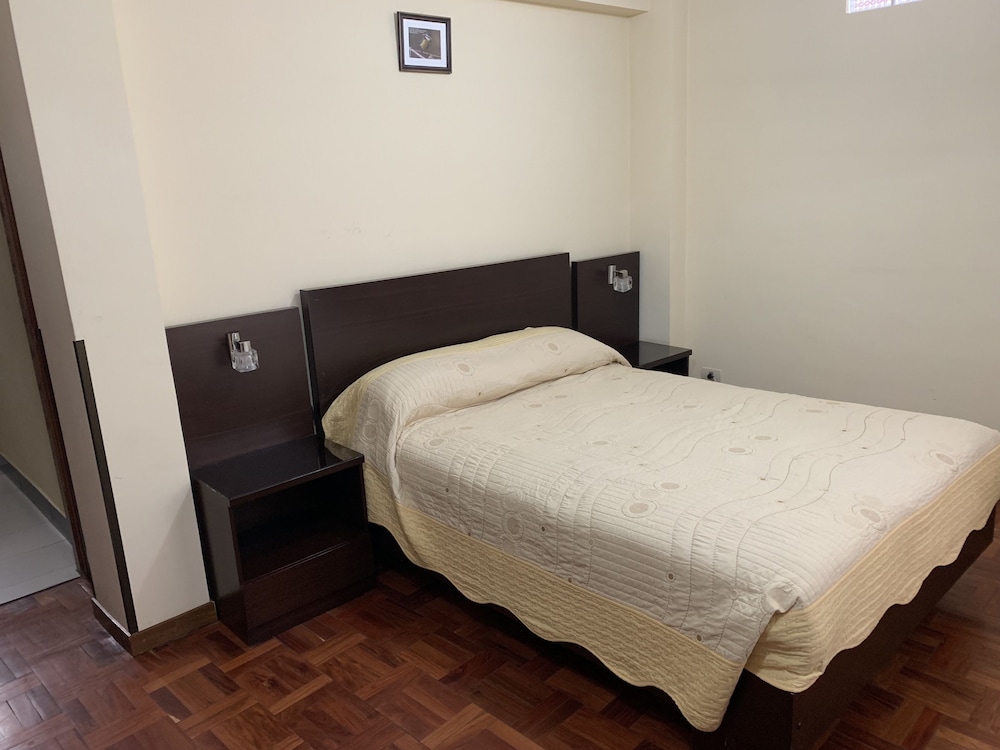
Town guesthouses around Parque Perú and the streets nearby are the core stock: family-run houses with six to twelve rooms off a courtyard, $18 to $30 for a double with private bathroom, free parking behind a gate, and wifi that ranges from usable to decorative. This is the best value lodging in the department. Confirm two things at the door, blankets and the water schedule, because some streets get mains supply only for set hours and the roof tank is what your shower draws from.
The alternative is a farm stay in the hills, at $25 to $50 with meals at $4 to $7, which is the more memorable experience and the less convenient one, given access tracks of one to three kilometres of steep dirt. My recommendation for a five-night stay: three nights in town, two on a farm, ideally in December or January. Book two to four weeks ahead only for February to April, the buyer season, when the rooms with reliable internet go first and walk-ins get the leftovers.
Coffee: what to book and what to pay
The cooperatives here, COMSA and RAOS among the best known, aggregate lots from hundreds of smallholders and have pushed organic and regenerative practice further than most of Honduras. A farm and mill tour runs $15 to $30 per person for two and a half to three hours covering nursery, plot, wet mill, fermentation and drying. A structured cupping adds $10 to $20 and is the thing most visitors skip and should not, because it is where you learn to taste altitude and processing rather than just enjoy a cup.
Arrange both through a co-op office in town or through your guesthouse a day in advance; almost nothing is bookable online. Harvest runs November to March with December and January the peak, and February to April is the tasting and buying season. Beans bought at the farm or a co-op office cost $6 to $12 a pound for speciality grade, roughly a third of what the same lots fetch abroad. Skip the airport souvenir tins entirely.
Eating, and the border influence
Marcala eats simply and well. Comedores around the market serve chicken or beef with rice, beans, plantain and tortillas at $3.50 to $5, and portions are generous. Baleadas cost $0.80 to $1.50 from morning stands. Because the town sits near the western border zone, pupuserías are common and good, with pupusas at around $1 each, usually served with curtido and a thin tomato sauce, which makes for the cheapest satisfying dinner in the department.
The market itself is worth an hour on any morning, best on the main trading day when producers come in from Chinacla, Santa Elena and Yarula. Highland vegetables, cheese, cuajada, dried beans, and the occasional Lenca pottery piece brought down from the surrounding communities. For coffee, drink at the cafés that can name their producer rather than the general cafeterias, which still serve the sweet, dark, domestic-market style. Both have their place; know which one you are ordering.
Day trips from town
Cascada La Estanzuela is 15 to 20 minutes away by road plus a 10 to 20 minute walk down through coffee and broadleaf forest, with entry around $1 to $2. Go in the morning, and note that the pool is swimmable from about December to April and dangerous when the flow peaks between August and November. Cueva del Gigante, the archaeologically extraordinary rock shelter in the same valley, needs a local guide at $15 to $30 for a group, a rough drive, an hour of walking, and dry-season conditions.
For higher ground, shared transport and pickups run up to Guajiquiro, Santa Elena, Yarula and Opatoro, Lenca municipalities between roughly 1,600 and 2,000 metres with cloud forest above them and a strong living tradition, including the guancasco meetings between neighbouring communities that usually attach to patron-saint fairs. Journeys take one and a half to three hours depending on the road. Leave early, hire a local guide for $10 to $20 for any walking, and be back before mid-afternoon when transport dries up.
Getting there and getting around
From La Paz city, buses run through San Pedro de Tutule to Marcala in two to two and a half hours for $4 to $6, with departures thinning after early afternoon. Direct services from Tegucigalpa take roughly four hours for $6 to $8. Driving from Palmerola airport is about three hours door to door, and the road, while paved, is genuinely winding, so factor in carsickness and never plan to arrive after dark. La Esperanza in Intibucá is about an hour further west, an easy add-on.
In town you walk. Marcala is a dozen walkable blocks, and mototaxis handle anything further for $0.50 to $1. There are bank branches with ATMs, which are the last ones before the highland municipalities, so withdraw here before heading up. Nearly everything is cash: guesthouses, comedores, guides, producers and shared pickups. Phone signal is decent in town and unreliable in the valleys, so tell somebody where you are going before you set off for a day.
When to come, and how long
January is my pick: harvest at full tilt, dry roads, cool nights, drying patios everywhere and rooms still easy to find. March is the best tasting month and warmer, with hazier skies as agricultural burning begins. May to August works with early starts, because rain generally arrives after two in the afternoon. September and October are the months to avoid, with the heaviest rain, idle mills, poor track conditions and a real risk of landslide closures on mountain roads.
Four to five nights is the sweet spot. That covers a farm tour, a cupping, the waterfall, a guided day to Cueva del Gigante, one highland town, and enough unstructured time to sit in Parque Perú at dusk and let the place come to you. Two nights is a rushed sample; a week is only worth it if you are picking, studying the coffee chain, or basing yourself here to walk the ridges. Bring a fleece regardless of the month.
Before you book
The questions people ask about Marcala, answered with this month’s numbers.
Nights from December to February commonly fall to 10 to 14 degrees at the town's 1,300 metres, and higher farms and the Lenca municipalities above 1,600 metres get colder still with wind and drizzle. Days sit in the low to mid twenties. Pack a fleece and check that your room has proper blankets.
Technically yes, practically no. It is two to two and a half hours each way from the Comayagua valley and around four from Tegucigalpa, on winding mountain roads you should not drive after dark. You would arrive after the morning mill work and leave before dusk. Stay at least one night.
Yes, at bank branches in the town centre, and they are the last reliable ones before Guajiquiro, Santa Elena, Yarula and Opatoro. Withdraw enough for several days in small bills, because guesthouses, guides, producers, comedores and shared pickups all operate in cash.