Why Marcala hotels are full from December to February — and how to get a room
 Coffee cherries on a drying patio in Marcala with pickers unloading sacks at dusk
Harvest turns a town of a few dozen visitor beds into a working camp for three months, pushing rooms from $30 to $70 and selling out weeks ahead.
The harvest calendar that drives everything
Coffee picking around Marcala runs roughly from mid-November to early March, with the peak between mid-December and mid-February. Lower farms at 1,100-1,300 metres ripen first, the high plots toward Chinacla, Yarula and the Opatoro side finish last. During those weeks the town stops being a quiet market centre and becomes a logistics hub: pickup trucks with cherry, wet mills running late, drying patios turned twice a day, and buyers arriving with schedules that do not bend.
Three different groups compete for beds. Cortadores — pickers, many from surrounding villages and from neighbouring Intibucá — take cheap rooms and whole houses by the month, often arranged through the farms themselves. Traders, agronomists and cooperative staff take the mid-range rooms mid-week. And from January, international buyers and Q graders come for cupping sessions, book two or three nights each, and pay whatever is asked. That third group is small in number and enormous in effect, because they take exactly the rooms a tourist wants.
How small the bed stock really is
Marcala's visitor accommodation is a handful of small hotels and guesthouses around the centre plus a set of coffee-farm lodgings scattered in the hills, most with four to ten rooms. Add it up and the town's usable inventory for outsiders is in the low dozens of rooms, not hundreds. There is no chain hotel, no property with 60 keys to absorb a surge. That is why the arithmetic breaks so quickly: twenty visiting buyers in January is a fully booked town, and a single cooperative event with thirty attendees empties the centre.
It is also why price signals are weak and availability signals are everything. Owners do not run yield-management software; they hold rooms for the returning coffee trader who has come every January for nine years, and they answer the phone before they answer email. Booking platforms show a fraction of the real inventory here, and what they show goes first. Assume the online picture is worse than reality and the reality is still tight.
What rooms cost during the peak
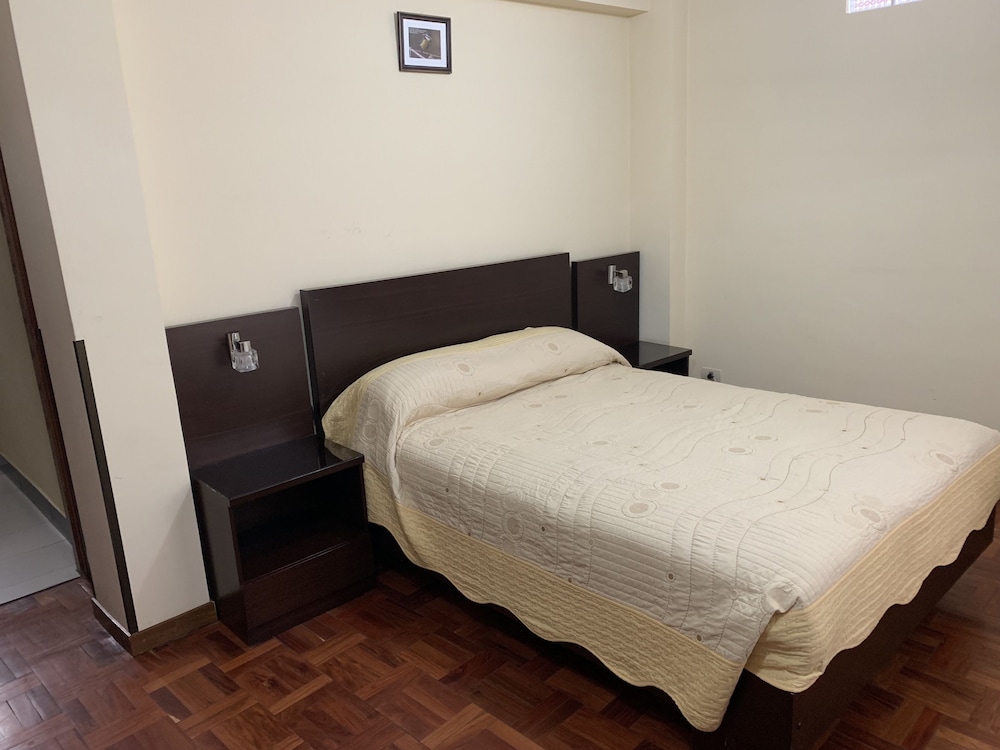
Out of season, a clean double with private bathroom and hot water in central Marcala runs $30-50. From mid-December through February, expect $40-70 for the same room, with the reliable places at the top of that band and the weak ones — cold showers, thin walls, no parking — clearing at $35-45 simply because they are the last option standing. Basic rooms without hot water exist at $18-28; at 1,300 metres with nights at 10-13°C, that is a real hardship in January, not a saving.
Coffee-farm lodging is the other tier: roughly $60-110 per double with meals in harvest, against $50-90 the rest of the year, often including a farm walk. In harvest that lodging is at once the best value and the hardest to get, because the farms are busy and some stop taking guests entirely during peak picking to keep beds for their crew. If you want a farm stay in January, ask in September. In practice, most late bookers end up in the centre and take a day trip out.
The booking sequence that actually works
Six to ten weeks out, contact three or four properties directly by phone or WhatsApp rather than by platform. Give exact dates, ask for the price in writing, and ask whether they need a deposit — many will hold a room on a message alone if you sound like you will show up. Aim to arrive Sunday or Monday and leave Thursday: mid-week is when the trade traffic sits, but weekends see the family and regional visitors, and the first weekend of January is the single worst night of the season.
If you are inside two weeks and everything says full, work the shoulder instead of fighting the peak. Late November gives you the harvest beginning on lower farms, mills starting up, air washed clean by the last rains, and pre-Christmas rates of $30-45. Early March gives you the tail: drying patios full, hulling and grading in progress, cupping labs at their busiest, and rooms available on the day. Both shoulders deliver 80% of the harvest experience with none of the scramble.
Alternative bases when Marcala is shut
La Esperanza, in neighbouring Intibucá, sits 45-60 minutes from Marcala on a mostly paved road and has more beds, more restaurants and its own cold-highland charm at around 1,700 metres. Rooms there run $25-45 even in January. It is the standard overflow answer for anyone who left it late, and a day trip to a Marcala mill from there is entirely practical if you have a vehicle or arrange a driver at $50-80 for the day.
The second option is La Paz Centro, 1h45 away, with a wider spread of rooms at $25-45, better bank and supermarket access, and a 35-45 minute run to Palmerola airport. That is a long daily commute for coffee visits, so use it as a first and last night rather than a base. San Pedro de Tutule, on the highway roughly halfway, has simple rooms in the $18-30 range and works if you have your own transport and low expectations. Skip trying to base in the high villages: lodging is informal and roads eat your daylight.
What you gain by coming in the squeeze
Everything about coffee is visible in January and invisible in June. Cherry arriving at wet mills in the late afternoon, depulping, fermentation tanks, patios and raised African beds being raked, farms hiring 20-40 pickers a day, and cupping tables running through dozens of samples in a morning. The Marcala area's cooperative structure — organisations like COMSA and RAOS among them — means there are real working facilities to visit rather than a demonstration set up for visitors. Ask before turning up; harvest schedules are tight and unannounced guests get politely turned away.
The weather is also at its yearly best: dry, clear, 24-27°C by day in Marcala, 10-14°C at night, and no haze yet because the burning has not started. Long views run to 50-60 kilometres, and the unpaved roads to Chinacla, Santa Elena and Opatoro are firm. It is the same reason the rooms are full — this is objectively the best fortnight of the La Paz year, and the coffee trade got there before tourism did.
Verdict: which weeks to book
If you want harvest at full volume and will plan ahead, book the last ten days of January. Picking is at peak on mid and high farms, cupping labs are active, the weather is dependable, and you can build a four-night itinerary of mill visits, one farm stay and a village day. Reserve in October, pay $40-70 for a central double or $60-110 for farm lodging with meals, and arrive on a Sunday.
If you dislike planning, book the last week of November or the first week of March and stop worrying. You will pay $30-45, get your pick of rooms, and still watch coffee being processed. Avoid two windows outright: December 24 to January 2, when the domestic holiday adds to harvest demand and half the offices shut, and the weekend of any cooperative event, which you will only discover by asking a hotel owner what is on. That one phone call is worth more than any booking site.
Before you book
The questions people ask about Marcala, answered with this month’s numbers.
Six to ten weeks for a central double, and three months or more for coffee-farm lodging, which often stops taking guests during peak picking. Contact properties directly by phone or WhatsApp — online platforms list only a fraction of the town's few dozen visitor rooms, and those go first.
Central Marcala doubles with hot water run $40-70 in the mid-December to February peak, against $30-50 the rest of the year. Farm lodging with meals is $60-110. Rooms under $30 usually mean no hot water, which is punishing when nights sit at 10-13°C.
Yes. La Esperanza is 45-60 minutes away with more beds at $25-45, and La Paz Centro is 1h45 with rooms at $25-45. Both work with a vehicle or a hired driver at $50-80 a day. Do not attempt the high villages as a base.
Less crowded, not much worse. Late November has picking starting on lower farms and clean, washed air; early March has drying, hulling, grading and the busiest cupping tables of the year. You lose the sight of mass picking and gain immediate availability at $30-45.