Morning Coffee Stops Around Chinacla Before You Settle Into La Paz
 Morning Coffee Stops Around Chinacla Before You Settle Into La Paz
Where to eat breakfast on arrival day in Chinacla and the La Paz corridor, with realistic drive times from the city and the months when the roads and the weather behave.
Coffee and Breakfast Stops on the Route
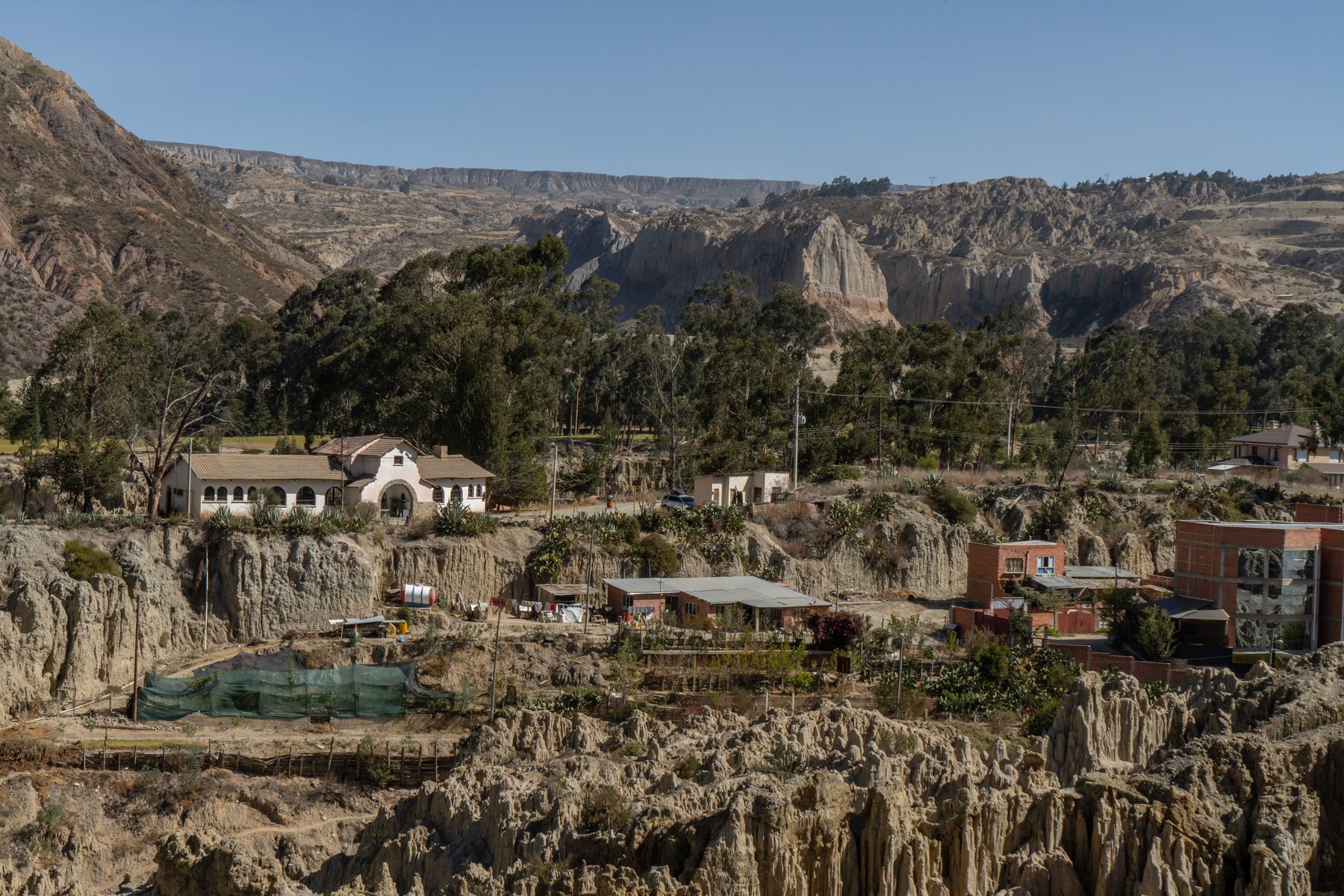
Chinacla sits in the hills south of La Paz city, reached by the paved road toward Marcala through the villages of San Pedro de Tutule and Agua Blanca. From the La Paz terminal the drive runs roughly an hour and a half to two hours depending on the surface beyond Tutule. Arriving on the early bus from Tegucigalpa or San Pedro Sula, you land in the city before dawn and the sensible move is breakfast on the way out rather than waiting for the town to wake up.
The morning rhythm here is simple. Comedores open with the first light around six, serve coffee grown on the surrounding slopes, and close by mid-morning once the market traffic fades. If you are staying in La Paz city and driving down for the day, leave the hotel by half past six to catch that window. November through February gives the clearest mornings; May to October brings afternoon downpours that rarely affect a breakfast run but do soften the unpaved stretches.
What the Comedores in Chinacla Actually Serve
Most travellers overnight in La Paz city, and the area around the central park and the cathedral is where the first coffee appears. Small cafés near the market sell locally roasted beans by the pound alongside cups for the road, typically opening between six and seven. Expect a plate of eggs, beans, plantain and tortillas rather than a pastry case; the price band is modest, and the portions are built for a working morning rather than a leisurely one.
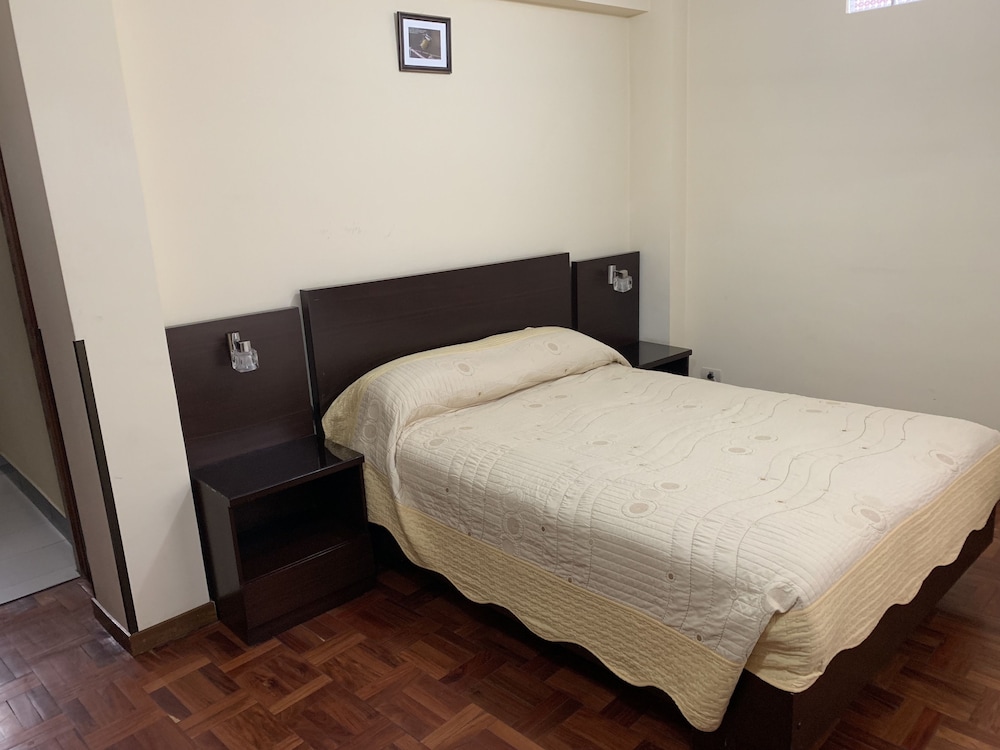
If you are booking somewhere to land on arrival night, the practical choice is a hotel within a few blocks of the central park and the bus terminal approach, so the morning departure does not eat into daylight. Rates in La Paz city sit in a lower band than the departmental capitals further north, and the gap between a basic room and a comfortable one is small. I would book the comfortable one for a first night after an overnight bus.
Practical Timings and What to Skip
Once past San Pedro de Tutule the road narrows and the air cools. Chinacla itself is a small cabecera with a handful of comedores around the square and the health centre, plus roadside kitchens where the bus stops. The coffee is the point: this is country grown on the slopes toward Marcala, served strong and refilled without ceremony. A typical breakfast is eggs, red beans, fresh cheese, cream, and thick tortillas made on the comal that morning.
Portions are generous and the pace is unhurried, so a breakfast stop takes longer than the driving map suggests. Do not plan to combine it with a same-morning hike; the light and the roads are better in the early hours. If you want a second cup for the road, ask for it to go and expect a small cup rather than a paper one. Cash only, and small notes are easier for everyone.
Booking the Right Base for Early Starts
The round trip from La Paz city to Chinacla and back takes the better part of a morning. If your stay is only two nights, do the Chinacla run on the first full day and keep the second for the city itself: the cathedral, the central park, and the streets around the market. Do not try to add Marcala the same morning, which lies beyond La Paz department; treat it as a separate day and plan accordingly.
Skip the roadside stops closest to the city if you are heading for Chinacla; they add a stop without adding much. Better to drive through and eat where the coffee is grown. If the weather has been heavy, ask at your hotel about the condition of the road beyond Tutule before setting out, and keep the plan flexible. March and April are dry and hot; the light for photographs is best then, before the rains build.
Two Hotel Choices for the Arrival Night
For an arrival night before a Chinacla morning, book in La Paz city near the central park so you are close to breakfast and the road out. Two sensible options: a mid-range hotel within walking distance of the cathedral, and a simpler guesthouse near the terminal approach. Confirm your dates directly with the property and ask for the rate in writing for those specific nights; published room categories vary and the price depends on the day and the season, not on a fixed figure quoted in any guide.
If you arrive on a late bus and only need a bed before an early departure, the guesthouse makes sense. If you have a day in the city afterwards, the mid-range hotel near the park is the one I would book: you can walk to breakfast, leave the car or catch a taxi easily, and come back in the afternoon without a long transfer. Neither choice replaces checking the room and the rate for your own dates.
Before you book
The questions people ask about La Paz, answered with this month’s numbers.
Allow roughly one and a half to two hours depending on conditions beyond San Pedro de Tutule. Leave by half past six if you want to catch breakfast, and check the road state with your hotel after heavy rain.
November through February brings the clearest mornings. March and April are dry and hot with good light. May to October means afternoon downpours, which rarely affect a breakfast run but soften unpaved sections.
Expect modest prices for eggs, beans, cheese and tortillas, with coffee usually included or added cheaply. Carry small notes and cash. Ask the price before ordering if it is not displayed.
Assume cash. Small comedores and roadside kitchens generally do not accept cards, and signal for card machines is unreliable in the hills. Draw lempiras in La Paz city before you set out.
A hotel near the central park and cathedral puts breakfast and the road out within reach. If you only need a bed before a dawn departure, a simpler guesthouse near the terminal approach works well.
Yes, if you do it on your first full day and keep the second for the city itself. Do not add Marcala the same morning; it lies beyond La Paz department and deserves a separate day.
Skip the roadside stops closest to the city if Chinacla is the goal. Drive through and eat where the coffee is grown. Also skip trying to combine breakfast with a hike, as the morning goes quickly.
December through April generally gives the firmest surfaces and the clearest views. In the wetter months, ask locally about conditions beyond Tutule before setting out and keep your plan flexible.
Contact the property directly for your specific nights and ask for the rate in writing. Published categories vary by day and season, so confirm before you travel rather than relying on a figure in a guide.