San Juan or Marcala: which to book
 Quiet street and church square in San Juan, western La Paz, with hills behind
One is a $12-20 village with no cash machine, the other a $25-60 coffee town with restaurants; the deciding factor is whether you have your own vehicle.
The short answer, before the detail
Book Marcala if this is a first visit to western La Paz, if you have three nights or fewer, if you want to pay by card, or if you are relying on buses. Book San Juan if you have your own vehicle or a driver, if you want a village where nothing is arranged for visitors, and if you are the sort of traveller who treats a lukewarm shower as a detail rather than a dealbreaker. The two places are half an hour to an hour apart depending on the road, and they are not remotely interchangeable.
The reason people even consider San Juan is that Marcala has become the department's tourism hub, with coffee tours, cuppings, cafés and a steady flow of visitors. If that is not what you came for, San Juan gives you the same hills, the same Lenca highland culture and the same coffee economy with none of the visitor apparatus, at roughly half the room rate. What you give up is choice: one plate at lunchtime, one or two places to sleep, no cash, no evening, no plan B if a room is full.
Price, side by side
San Juan: $12-20 for a room, shared bathroom likely, cold or lukewarm water, fan not heater, cash only. Meals $2.50-5, mostly at midday. Two people can sleep and eat for $25-35 a day here without trying. Marcala: $25-60 for a room, private bath, hot water in most of the mid-range, wifi that mostly works, and some places taking cards. Meals $4-9, with actual choice, plus coffee at $1.50-3 a cup from roasters who know what they are doing.
So the gap is roughly $15-35 a night, plus another $10-15 a day in food and coffee. Over a week that is $150-300, which is real money and buys a lot of extra travel. My honest read: the saving is worth it only if you plan to be out of the room from dawn until evening. If the weather turns and you spend an afternoon indoors, Marcala's extra $20 buys a warm shower, a chair in a café and something to read menus about, and you will not regret it.
What sleeping in San Juan is actually like
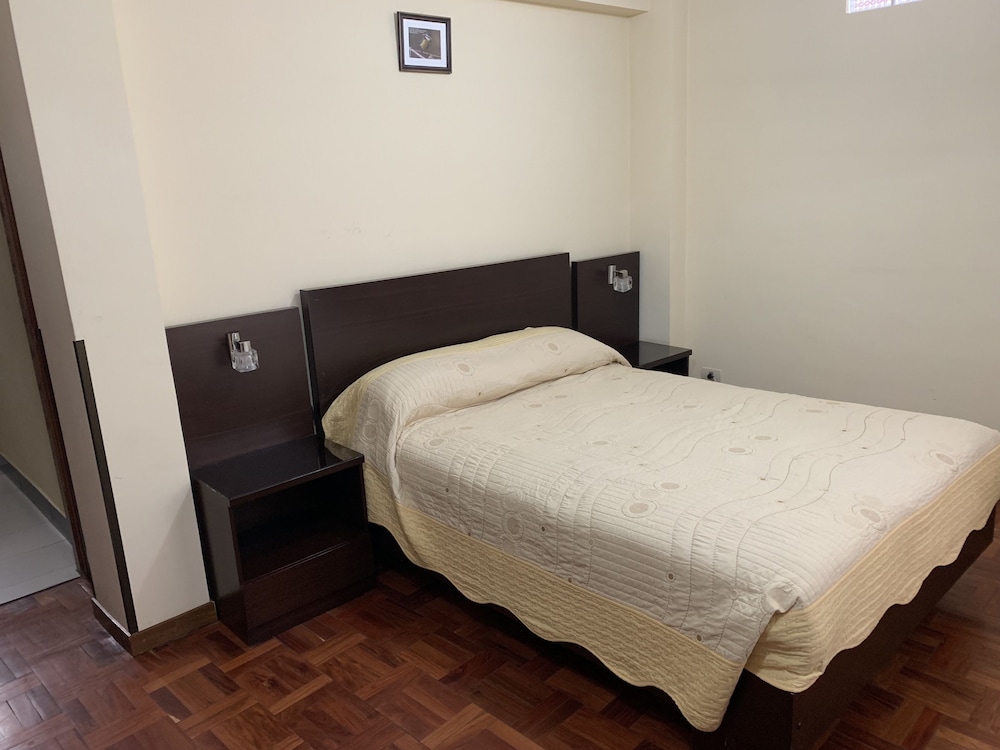
Expect a family-run hospedaje or a room in a private house, found by asking near the parque central or the alcaldía during office hours, paid in cash for the night ahead. Furniture is a bed, a chair, a hanging rail and a bulb. Water pressure varies with the hour and the month. Walls are thin, roosters start early, and the household is up before you. Nobody will speak English, so a few phrases and a friendly manner do more work than any booking app.
The good part is genuine: dinner cooked to order if you ask in the afternoon, coffee from the hillside behind the house, and a level of quiet that visitors from cities find startling. At around 1,200-1,400 metres the nights need a blanket from November to February and the days sit comfortably in the mid-20s. Bring a torch for the walk back from the square, small notes for everything, and low expectations about the shower. Get those three right and San Juan is a fine two-night stop.
What is within walking distance in each
San Juan, on foot: the church, the square, the alcaldía, three or four pulperías, one or two comedores, the school, the football field, and the loading point for pickups. That is the whole inventory, crossable in ten minutes. Step out of town in any direction and within a quarter of an hour you are among coffee, maize and pasture with hill views and no signage. It is a walking landscape rather than a hiking one: farm tracks, picking paths, and permission asked at gates.
Marcala, on foot: the market, the parque central, a dozen comedores and restaurants, at least a handful of specialist coffee shops, bakeries, pharmacies, hardware, bus terminals for La Paz and the western routes, cash machines, and the offices of coffee cooperatives and exporters who receive visitors. Trailheads and mills sit within a short drive. If your definition of a good base includes being able to change plans at 4pm without a vehicle, Marcala wins that comparison outright and it is not close.
Transport: the real deciding factor
Marcala is on the paved corridor from La Paz Centro and has scheduled buses through the day, plus connections toward the western border area and back east toward Tegucigalpa via La Paz. You can arrive at 5pm and find both a room and dinner. San Juan is reached by graded gravel, on minibuses and pickups that mostly run early in the morning and dry up by early afternoon, with fares of a couple of dollars. Arrive after 3pm without a vehicle and you are committed to a night.
In September and October, add rain to that. The paved road keeps working; the gravel gets slick and rutted, and a low car is a bad idea. If you want San Juan in the wet season, hire a pickup and driver from Marcala for the day, expect to pay meaningfully more than a bus, and get back before the afternoon downpour rather than after it. This is why I tell first-time visitors without wheels to base in Marcala: flexibility is worth more than a $20 saving.
Who each place is wrong for
San Juan is wrong for families with young children who need reliable hot water and a pharmacy, for anyone on a schedule that includes a flight, for travellers who need to work online, and for anyone expecting to pay by card. It is also wrong as a base for the department's set-piece attractions, since the guided coffee experiences, the roasters and the better-known waterfall walks all run out of Marcala and would cost you two gravel legs a day.
Marcala is wrong for travellers who are actively trying to avoid other visitors, for anyone whose budget is under $25 a night, and for anyone who wants to see how the coffee villages live rather than how the coffee trade presents itself. It is also the wrong choice if your interest is walking straight out of the door into farmland: in Marcala you drive or take a pickup to get to that, and in San Juan you step into it.
The itinerary I would actually book
Five nights in the western highlands, split three and two. Three in Marcala first, at $30-45, using them for a cupping, a mill visit, a cash machine and a proper dinner, and to arrange transport onward. Then two in San Juan at $15-20, arriving before 2pm with cash, bread and fruit in the bag, and spending the mornings walking out through the coffee before the day heats up. Finish back in Marcala or on the paved road east if you have a bus or flight to catch.
If you only have two nights in the whole department, do not split them. Take Marcala, pay the $30-45, and day-trip out to the villages on a hired pickup or an early bus. If you have your own 4x4 and a week, invert the ratio: San Juan and the other high villages for the bulk of it, Marcala for one night of hot water and restaurant food at the end. The vehicle is what decides this, not the price.
Before you book
The questions people ask about Marcala, answered with this month’s numbers.
Reckon 30-60 minutes on graded gravel depending on the season and how recently the road was worked, with rain in September and October pushing it longer and making a low car unwise. Pickups and minibuses run mainly in the morning, cost a couple of dollars, and stop early in the afternoon.
No. There is no cash machine, no bank and no card terminal, so bring everything you need in small notes from Marcala or La Paz Centro. Budget roughly $25-35 a day for two people including a room at $12-20, two plates of food and local transport, plus a reserve for an unplanned extra night.
Marcala has more choice, with restaurants, bakeries and specialist coffee at $4-9 a plate. San Juan has one or two comedores serving a single fixed plate at $2.50-5, usually cooked that morning. For a good home-cooked dinner in San Juan you need to ask by mid-afternoon, because kitchens close early.
Not as a base. The organised tours, cuppings and roasteries operate out of Marcala, and running them from San Juan adds two gravel legs a day. Stay in San Juan to see a working coffee village on foot, and in Marcala to book anything that involves a guide and a schedule.