San Pedro de Tutule vs Opatoro: Choosing Your Base in La Paz, Honduras
 San Pedro de Tutule vs Opatoro: Choosing Your Base in La Paz, Honduras
Two highland towns in La Paz department, roughly 40 km apart, with very different reasons to stay — here is how to decide, and where to sleep in each.
Getting There and Where Each Town Sits
Both towns sit in the pine-covered hills of La Paz department, west of the departmental capital. San Pedro de Tutule is reached from the CA-1 highway via the turn-off near La Paz city, then roughly 25 to 30 km of paved and partly cobbled road — allow 50 to 70 minutes by car from La Paz city centre. Opatoro lies further south and east, reached by a longer, rougher road from La Paz city via Marcala or through the Tutule side; count on two to two and a half hours, and more after rain.
Neither town is a transport hub. Buses to San Pedro de Tutule leave from La Paz city's main terminal through the morning and early afternoon; services thin out after about 3 pm. Opatoro has fewer daily departures, often connecting through Marcala, so a missed bus can cost you a night. If you are booking two or three nights, a car with reasonable clearance is the difference between a relaxed trip and a timetable puzzle. Fuel up in La Paz city before heading out.
What San Pedro de Tutule Offers a Traveller
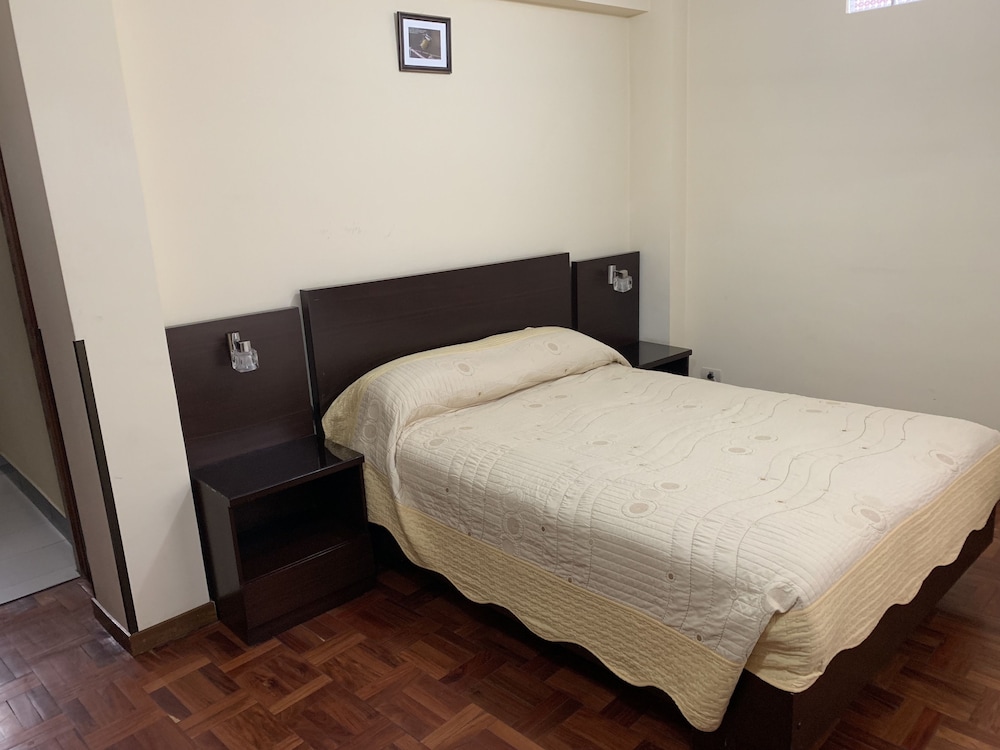
Tutule is the easier, more comfortable choice. The town centre clusters around a whitewashed church and a small park, with a handful of comedores serving baleadas and grilled meat, and simple hospedajes charging roughly L 300–600 per night for a double. It is close enough to La Paz city for a same-day supply run, and its altitude — around 1,500 m — keeps evenings cool but rarely bitter. Weekday stays are quiet; weekends bring visitors from La Paz and Marcala.
The surrounding countryside is the real draw: pine ridges, coffee plots, and footpaths toward neighbouring aldeas such as San Antonio del Norte side. Birders do well in the early morning along the valley edges. What Tutule lacks is polish — expect basic rooms, intermittent hot water, and cash-only payment. Bring lempiras; card acceptance is rare outside the larger pulperías. Book ahead for Semana Santa and the December fairs, when rooms in town fill quickly with returning families.
What Opatoro Offers a Traveller
Opatoro is smaller, higher and more remote, sitting around 1,700 m among pine and oak. Its appeal is atmosphere rather than amenities: a quiet colonial-era grid, a stone church, and views that open toward the Marcala coffee country. Accommodation is limited to a few family-run posadas, roughly L 250–500 a night, with shared bathrooms common. Restaurants are few — usually one or two comedores near the park — so plan on eating where you sleep or bringing supplies from Marcala.
The trade-off is time. Opatoro rewards travellers with two or three spare days: walks to outlying aldeas, coffee farm visits arranged locally, and cool nights around a fire. It does not reward a one-night dash. Roads in are steep and can be slippery from June to October; a 4x4 is sensible in the wet season. If your priority is photography, quiet, and genuinely getting away, Opatoro wins. If you want comfort, connectivity and flexibility, it does not.
Which I Would Book, and When
For a first trip to La Paz department, I would book San Pedro de Tutule. It gives you highland scenery and a genuine small-town stay without burning a full day in transit, and you can use it as a base for day trips toward La Paz city and the CA-1 corridor. Aim for December through March — the dry months — and reserve at least a week ahead if your dates fall near a local fair. Two nights is enough to see the town properly.
Choose Opatoro only if you have three or more nights and are comfortable with basic facilities. Go between December and April, travel with cash, and confirm your posada by phone before setting out, since online listings are thin. Skip Opatoro entirely if you are travelling with young children, on a tight schedule, or in a low-clearance car during the rains. Skip Tutule if you need reliable Wi-Fi for work — coverage in both towns is patchy at best.
Before you book
The questions people ask about La Paz, answered with this month’s numbers.
Roughly 25 to 30 km by road, which usually takes 50 to 70 minutes by car depending on the surface and weather. Buses run from La Paz city's terminal through the morning and early afternoon, with fewer services after about 3 pm.
Plan on two to two and a half hours by car, longer in the rainy season or if you connect through Marcala by bus. Daily departures are limited, so check return times before you commit to an overnight stay.
Simple hospedajes and posadas typically fall in the L 250–600 range per night for a double, with Opatoro at the lower end and Tutule slightly higher. Confirm the rate directly with the property, as prices vary by season and room type.
December through April is the driest window and the easiest for road travel and walking. June to October brings heavy rain, slippery access roads and fewer transport options, particularly on the route into Opatoro.
For San Pedro de Tutule a standard car is usually fine outside heavy rain. For Opatoro, higher clearance is helpful year-round and a 4x4 is sensible between June and October, when steep sections become slippery.
Card acceptance is rare. Bring enough lempiras for accommodation, meals and transport, and withdraw cash in La Paz city or Marcala before heading into the hills. Small pulperías may not have change for large notes.
San Pedro de Tutule, because of shorter drive times, more places to eat and a larger choice of rooms. Opatoro's long access road and limited facilities make it harder with young children or anyone uncomfortable with basic accommodation.
Two nights works well for Tutule, covering the town and a day of walking in the surrounding hills. For Opatoro, three nights or more is better — the journey eats a substantial part of a short stay.