Santa María's Lenca Friday Market: A Practical Guide for La Paz Travellers
 Santa María's Lenca Friday Market: A Practical Guide for La Paz Travellers
How to reach the Friday market at Santa María in La Paz department, what to expect from the Lenca vendors, and where to base yourself in La Paz town for an easy morning out.
Getting to Santa María from La Paz Town
Santa María sits in the hills south-east of La Paz town, the departmental capital on the Carretera del Sur. Most visitors base themselves in La Paz centre and travel out for the Friday morning, when the market is at its busiest. The drive is short — roughly 20 to 30 minutes by car or pickup depending on the road surface after rain — so you can leave after an early breakfast and be back in La Paz for lunch. Ask your hotel to arrange a driver the evening before; shared pickups from the market square in La Paz are the usual fallback.
If you are travelling by public transport, colectivos and pickups bound for the villages around Santa María leave from the La Paz terminal through the morning, but services thin out after about 10am and fill quickly with shoppers and their produce. Rain between May and October can slow the final stretch, so build in a buffer if you have an afternoon plan. The dry months from November to April are the most reliable for a market visit, and February and March tend to give clear roads and comfortable walking temperatures.
What the Friday Market Actually Sells
This is a working market, not a staged craft fair. Lenca women from Santa María and neighbouring hamlets bring woven baskets, clay comales for cooking tortillas, embroidered cloth, rope sandals and modest amounts of jewellery alongside the everyday trade in beans, maize, coffee, cheese and herbs. Quality varies stall to stall, so handle the pieces and check the weave before you commit. Cash in lempiras is essential; smaller notes make transactions much easier, and there is no card terminal or ATM at the market itself.
Prices are negotiable within reason, and bargaining is expected on craft items rather than on food. Go early — by mid-morning the best baskets are gone and the atmosphere thins. Photography is generally welcomed, but ask before photographing people or their stalls, and buy something if you have spent time with a vendor. A hat, water and closed shoes are sensible: the ground is uneven and the sun is strong by late morning even in the cooler months.
Where to Stay in La Paz While You Are Here
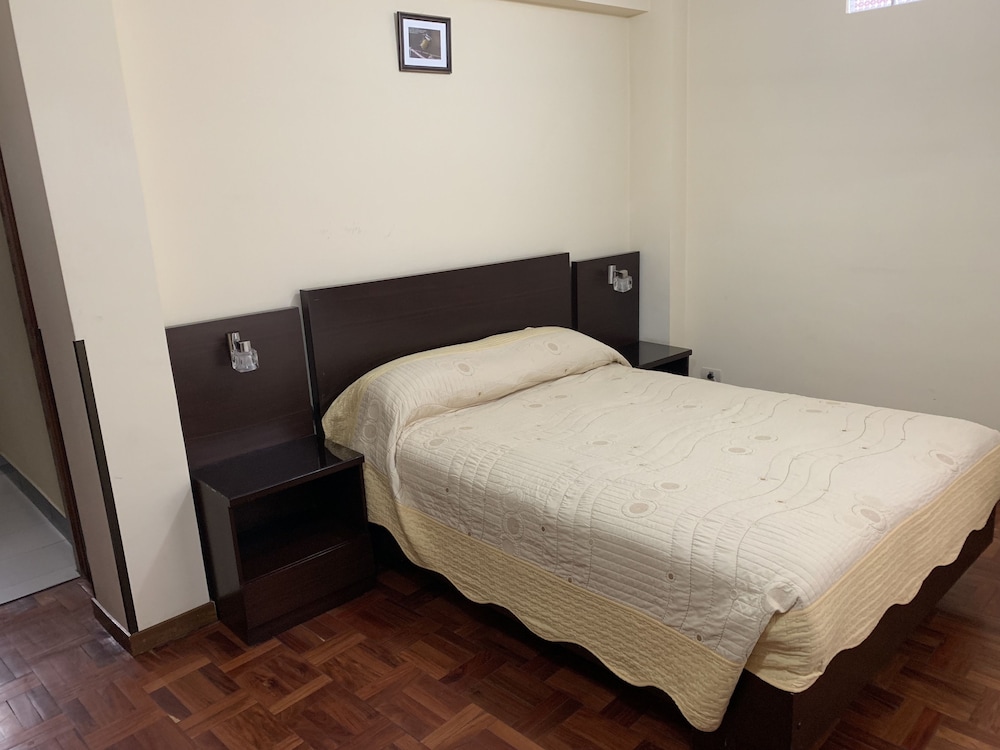
La Paz town is the natural base, and the centre around the Parque Central and the streets running toward the Catedral de Nuestra Señora de los Dolores puts you within walking distance of cafés, banks and the pickup points for Santa María. Hotels in the centre typically fall into a moderate band, with simpler rooms nearer the park and slightly more comfortable options a few blocks out toward the Carretera del Sur. Book ahead for Friday nights in the dry season, when weekend visitors from Tegucigalpa and Marcala fill the town.
For a market morning, I would choose a hotel within four or five blocks of the Parque Central rather than one on the town's edge. The difference is a ten-minute walk at 6am versus a taxi you have to find in the dark, and it also puts you close to breakfast spots that open early. Confirm two things when booking: that your room has hot water, and that reception can arrange a driver for the following morning. Both are worth a quick message before you arrive.
Pairing the Market with the Rest of La Paz
The market takes a morning, not a day. Back in La Paz by early afternoon, you have time for the town's own sights: the colonial church, the small museums and the pleasant walk along the streets radiating from the centre. Marcala, the coffee town to the west, makes a good separate outing, and the Perquín road toward the north-east opens up cooler hill country. Neither should be squeezed into the same morning as Santa María — the roads deserve their own day.
Skip the temptation to combine the market with a long drive to the Lenca highlands around La Esperanza; that is a full day on rough roads, better done on a Saturday with an early start and a sturdy vehicle. If you have only one morning free in La Paz, spend it at Santa María and keep the afternoon light. Shoulder season — late April and early November — often gives good weather with fewer people at the stalls, and rates in town are typically softer midweek.
Before you book
The questions people ask about La Paz, answered with this month’s numbers.
The market runs on Fridays, with trading concentrated in the morning. Arrive by 7am to see it at its liveliest; by late morning vendors begin packing up. Confirm the day locally before travelling, as schedules can shift around holidays and the harvest calendar.
Santa María lies roughly 20 to 30 minutes by road from the La Paz town centre, depending on the vehicle and road conditions after rain. Most visitors stay in La Paz and make the market a morning trip, returning to town well before lunch.
Yes. Bring lempiras in small notes; there is no ATM or card payment at the stalls. Change is limited early in the day, so break larger bills in La Paz town before you set out. Bargaining is normal on crafts but not on food.
The dry season from November to April gives the most reliable roads and comfortable walking. February and March are especially good. Late April and early November offer a quieter shoulder season, while May to October brings rain and slower travel on the final stretch.
Colectivos and pickups for Santa María and nearby villages leave from the La Paz terminal through the morning, but services thin out after about 10am and fill quickly. Many visitors find a hired driver simpler for the return leg.
Choose a hotel within four or five blocks of the Parque Central. That puts you near early breakfast spots and the pickup points, avoiding a taxi hunt at dawn. In the dry season, book Friday nights ahead, as weekend visitors fill the town.
Generally yes, but ask before photographing people or individual stalls, and buy something if you have spent time with a vendor. The market is a working place, so a polite request goes a long way and is usually met with a yes.
Closed shoes for uneven ground, a hat and water are sensible; the sun is strong by late morning even in the cooler months. A light rain jacket helps between May and October. Carry small notes and a bag for anything you buy.