Semana Santa in La Paz: a four-day plan from Holy Thursday to Easter Sunday
 A sawdust carpet laid on a street before a Good Friday procession
Four days, two processions, one sawdust-carpet morning that starts at 3am, and the six-week booking lead time nobody tells first-timers about.
What actually happens, and what shuts
Semana Santa is the biggest week in the Honduran calendar and the department empties and fills at the same time. Locals travel to family or to rivers; domestic tourists arrive from Tegucigalpa and San Pedro Sula. From Wednesday evening through Good Friday, expect banks closed, most offices closed, many shops shut on Thursday and Friday, and public transport running heavy but on holiday timetables. Alcohol sales are restricted in many municipalities on Thursday and Friday. ATMs run dry by Thursday afternoon.
What stays open: comedores, pulperías, hotel kitchens and the entire informal economy that feeds the crowds. What ramps up: church activity, from Palm Sunday through the Via Crucis and the Thursday washing of the feet to the Friday processions and the Saturday vigil. Plan around the closures rather than fighting them. Draw all your cash by Tuesday, fill the tank by Wednesday, buy any pharmacy items in advance, and treat Thursday and Friday as days you walk rather than drive.
Book by January, and where
Rooms in La Paz Centro and Marcala that sit at $25 to $45 in an ordinary week will run $40 to $70 across Semana Santa, and the good ones are gone by February. Four to six weeks out is the minimum lead time; eight is safer. Ask two questions when booking: whether the rate includes the holiday surcharge, and whether the property has a water reserve tank, because municipal supply gets strained when a town's population doubles.
For this itinerary I would base in La Paz Centro rather than Marcala. It puts you 20 to 30 minutes from Comayagua, which stages the most elaborate sawdust carpets in the country, while keeping you in a town with its own genuine processions and none of Comayagua's accommodation crush. Marcala is the better base if you care more about highland atmosphere than about the carpets, and if you want cooler nights — but you will be two and a half hours from the Friday spectacle rather than half an hour.
Thursday: the quiet, serious day
Jueves Santo is the day to stay local. Morning is for the market — buy fruit, bread and water for the days when shops close — and for a slow walk around La Paz Centro while the parish prepares. Late afternoon, around 4 or 5pm, the Mass of the Lord's Supper with the washing of the feet takes place; arrive 20 minutes early if you want a seat and dress modestly, which here means covered shoulders and long trousers or a skirt.
After the Mass, many churches keep a vigil at an altar of repose and people move between churches into the evening. It is unhurried, candlelit and entirely unstaged, and it is the best hour of the four days for understanding what the week means to the people around you. Eat early — 7pm rather than 9 — because kitchens close when the family goes to church. Then sleep, because if you want the carpets you are getting up at 3am.
Good Friday, 3am to 3pm: the alfombras
The sawdust carpets are made overnight. Families and church groups claim a stretch of street, lay stencils, and pour dyed sawdust, pine needles, flowers and salt into images that take five or six hours to complete and are destroyed by the procession that walks over them. In Comayagua the work runs from roughly 11pm through to first light along the colonial streets around the cathedral. Arrive at 3 or 4am with a jacket and a torch, walk the length of the carpets, and talk to the people making them — they are generous with visitors who ask.
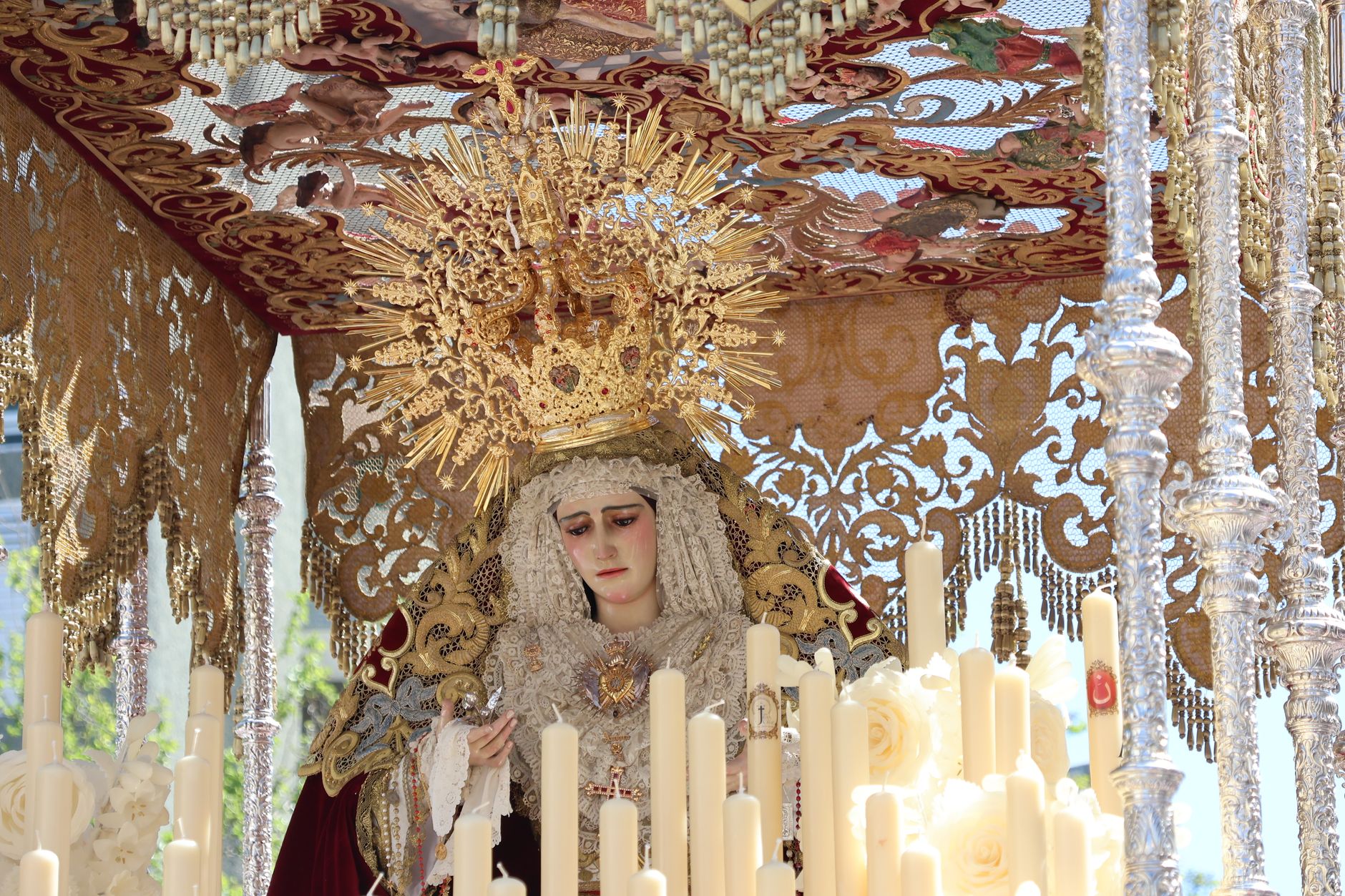
The main procession moves mid-morning. Position yourself on a corner an hour ahead rather than trying to follow it. By 11am the carpets are gone, and the crowd disperses to eat. Drive back toward La Paz Centro before the afternoon exodus clogs the road, eat a late almuerzo, and rest. Evening brings the Santo Entierro procession in the towns, usually starting between 5 and 7pm, slower and more solemn than the morning. Two processions in a day is the correct maximum.
Saturday: rivers, crowds and the vigil
Sábado de Gloria is the day Honduras goes to the water. Every accessible river bank and swimming spot within reach of a town fills with families, sound systems and cooking fires from about 9am. If you want to join it, go early, bring your own shade and drinking water, and accept that it is a social occasion rather than a nature outing. If you want to avoid it, this is the best day of the four for a drive west — the Marcala road, the pine ridges and the small towns are noticeably quieter than the riverbanks.
Back in town by 5pm. The Easter Vigil starts late — often 7 or 8pm and running well past 10 — and is the most musically alive service of the week, with the church darkened, the paschal candle lit and bells that go off all at once. Eat before you go in. If you sleep in Marcala on Saturday to shorten Sunday, book that night separately and in advance; single-night holiday bookings are the hardest to get.
Easter Sunday, and getting out
Sunday morning is bright and short: an early Mass, then the country begins to travel home. The road discipline matters more than the itinerary. If you are driving back to Tegucigalpa or to Palmerola, leave by 10am or after 4pm; the middle of Sunday afternoon on the CA-5 is the single worst traffic of the Honduran year, and buses run full with standing passengers all day. Book bus seats in advance where the operator allows it.
If you can stay until Monday, do. Everything reopens, prices fall back, the towns exhale, and you get the department to yourself for a day. That is when I would do the Marcala coffee visit or the drive up toward Guajiquiro — with the crowds gone, the roads quiet and the hotel rate back down in the $25 to $45 band. Turning a four-day Semana Santa into a five-day trip costs one night and improves the whole thing.
What to eat, and the etiquette that matters
Lent food is its own cuisine here and Semana Santa is when it peaks. Look for torrejas, the bread soaked in egg and simmered in spiced sugar syrup with cloves and cinnamon; capirotadas; dried and salted fish dishes; pescado seco with vegetables; and sweet squash and green mango preserves sold by the bag. Comedores serve these for $2 to $5 a portion and the churches themselves often sell them as fundraisers, which is the best version you will get.
Etiquette: no meat is eaten by many families on Friday, so do not order it loudly. Do not walk on an unfinished sawdust carpet, ever, and ask before photographing people at work on one. During processions, stand still and stay quiet as the images pass. Do not use flash inside a church. None of this is enforced by anyone — it is simply the difference between being a guest at somebody's most important week and being the tourist people remember for the wrong reason.
Before you book
The questions people ask about Marcala, answered with this month’s numbers.
Comayagua stages the largest and most elaborate ones, and it is the reason to base within half an hour of it. Smaller carpets appear on procession routes in La Paz Centro and other towns of the department too — less ambitious in scale, made by neighbourhood groups, and far easier to see close up without a crowd.
Roughly 50 to 70 percent on lodging: a $30 room becomes $45 to $55. Food is barely affected, at $3 to $6 for comedor meals. Add a buffer of $40 to $60 in cash per person, because ATMs run empty from Thursday afternoon and card acceptance is thin outside the two main towns.
No, but go for the week itself rather than despite it. The processions, carpets and food are the most concentrated cultural experience the department offers all year. What you should not do is come expecting normal service — closed banks, packed transport, restricted alcohol sales and full hotels are the whole trade-off.
Semana Santa falls in the hottest, driest stretch. La Paz Centro runs 30 to 34 degrees by day; Marcala and the highlands sit around 22 to 26 with nights near 13. Expect dust, strong sun and almost no rain. Carry water, a hat and sun protection for the daytime processions.