Slow Mornings in La Paz Centro: Cafés for Walkers Who Take Their Time
 Slow Mornings in La Paz Centro: Cafés for Walkers Who Take Their Time
A unhurried guide to the cafés around Parque Central, where the coffee is hot, the pace is gentle, and the walking is easy.
The Flat Heart of La Paz: Where to Start and How to Move
La Paz Centro is built on a gentle grid, and the flattest, most forgiving walking is around Parque Central and the streets that ring it: Calle 1, Avenida 2, and the blocks toward the Iglesia de San Miguel. If you are staying in a hotel near the park, you can leave your room, cross the square, and reach a handful of cafés without encountering a single steep curb. The trick is to start early. Between 7 and 9 a.m. the sidewalks are shaded, the air is cool, and the delivery trucks have not yet claimed the curb lanes. By 11 the sun is direct and the crossings on Avenida 2 get busy, so plan your loop for the morning and save the afternoon for a shorter, shadier stretch.
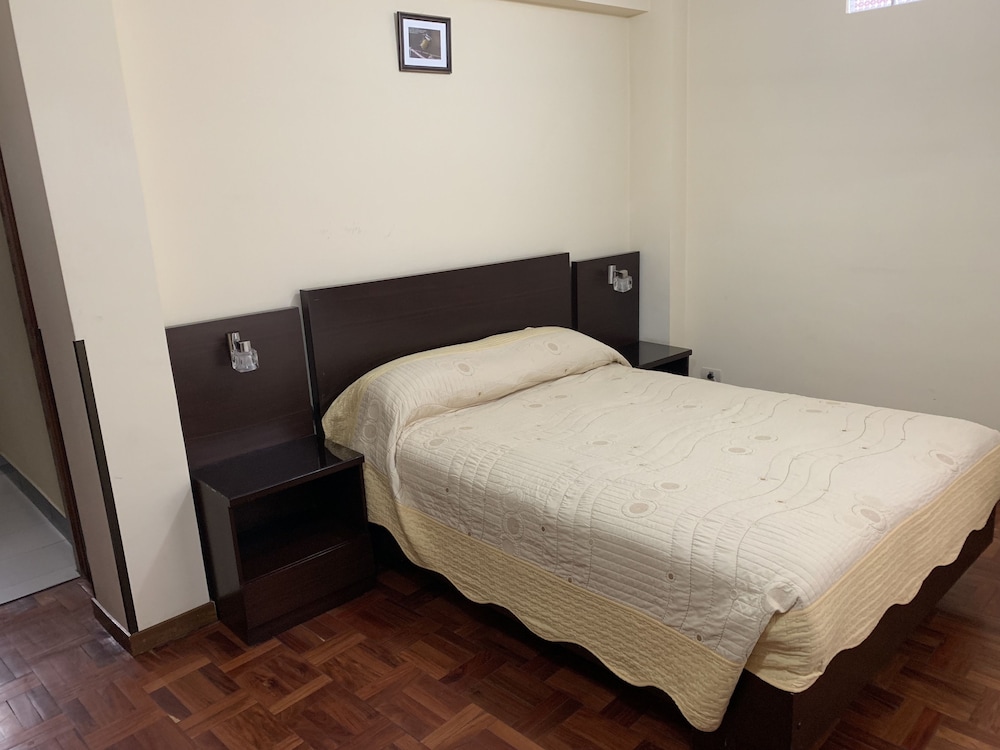
For slow walkers, the key is choosing a base that keeps the day short. Hotels on the park’s north and east sides put you within two or three minutes of most of the cafés below, and within ten minutes of the Mercado Municipal if you want fruit or a cheap breakfast. Rooms facing the park are convenient but can be noisy on weekend evenings when the square fills up; ask for a room set back from the street if you are a light sleeper. Rates in La Paz Centro generally run higher in December and around Semana Santa, when families return to town, and lower in the rainy months of May, June, September and October, when afternoon showers are common but mornings are often clear.
Cafés Around Parque Central and Calle 1
The cluster just north of Parque Central is the easiest place to begin. Several small cafés here open by 7 a.m. and serve locally grown coffee from the hills around La Paz, usually as drip or espresso, with simple breakfast plates of eggs, beans, plantain and tortillas. A cup of coffee typically falls in the modest range you would expect in a regional Honduran town, and a full breakfast costs a little more. Seating is mostly indoors with a few pavement tables; the pavement tables are pleasant before 9 a.m. but lose their shade quickly. If you want to sit and read for an hour, choose an indoor table near a window rather than the street, where passing traffic and vendors can make conversation difficult.
A few blocks east, toward Avenida 2 and the side streets that lead to the Iglesia de San Miguel, you will find slightly quieter options with courtyards or covered patios. These are better for a slower stop: you can order a coffee and a pastry, spread out a map, and not feel rushed. Many open around 8 a.m. and close in the early afternoon, so they suit a morning walk rather than a late-afternoon break. If you are travelling with someone who needs to rest frequently, this eastern stretch is the better choice because the blocks are short, the sidewalks are wider in places, and there are benches in the church square where you can pause without buying anything.
A Practical Walking Loop and What to Skip
A sensible slow loop starts at Parque Central, heads north along Calle 1 for a first coffee, returns through the park, then continues east toward the Iglesia de San Miguel for a second, lighter stop. The whole circuit is under two kilometres and takes forty to sixty minutes at an unhurried pace, including the stops. Do it before 10 a.m. if you want shade and quiet. Skip the stretch along the main road out of town, where the sidewalks narrow and the traffic is heavier; it is not worth the stress when the centre has plenty to offer. Also skip the larger restaurants that only open for lunch, since they tend to be louder and less comfortable for a solo walker with a book.
If you are planning a longer stay, base yourself near the park and treat the cafés as a morning ritual rather than a destination. A hotel within two blocks of Parque Central lets you walk out, have coffee, and be back before the heat builds. For a day trip, the village of Ojojona is about a forty-minute drive south and has a small square and a couple of simple cafés, but it is a side note, not a substitute for La Paz Centro. As for timing, the best months for walking are December through March, when the mornings are cool and dry; carry a light rain jacket if you visit in the wetter months, and plan your café stops for the morning window when the streets are at their calmest.
Before you book
The questions people ask about La Paz, answered with this month’s numbers.
The blocks around Parque Central, Calle 1 and Avenida 2 are the flattest and most shaded in the morning. The eastern side toward the Iglesia de San Miguel is also gentle, with short blocks and a few benches.
Most open between 7 and 8 a.m. and close in the early afternoon. Arrive before 9 a.m. for shade and quieter sidewalks; by 11 the sun is direct and the crossings busier.
Prices are modest, in line with a regional Honduran town. A coffee is inexpensive; a full breakfast of eggs, beans and tortillas costs a little more. Confirm current prices at the counter.
A hotel on the north or east side of Parque Central puts you within two or three minutes of most cafés and ten minutes from the Mercado Municipal. Ask for a room set back from the street if you are a light sleeper.
December through March offers cool, dry mornings. May, June, September and October are wetter, with afternoon showers, but mornings are often clear. Rates tend to be higher around Semana Santa and in December.
In the centre, sidewalks are generally walkable but uneven in places. The eastern stretch toward the church has wider sections and benches. Take your time, watch for curbs, and cross at marked corners.
Yes: a loop from Parque Central north along Calle 1, back through the park, then east to the Iglesia de San Miguel is under two kilometres and takes about an hour with stops. Start before 10 a.m.
Skip the main road out of town, where sidewalks narrow and traffic is heavier. Also skip lunch-only restaurants if you want a quiet seat with a book; the morning cafés are calmer and better suited to slow walkers.