How much Spanish do you need in La Paz, Honduras? An honest answer
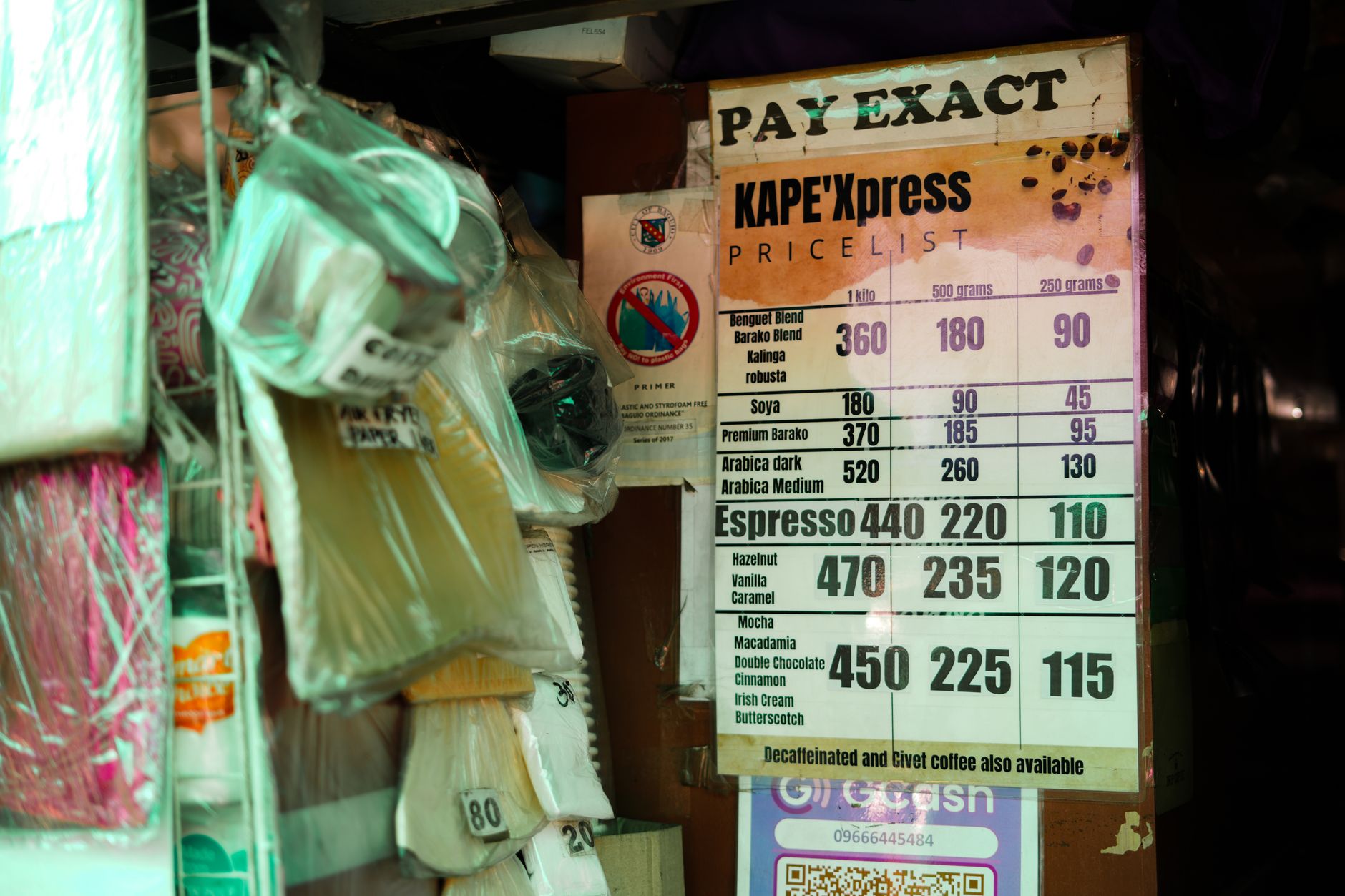 Handwritten menu board outside a small comedor in a La Paz, Honduras town
Enough to book a room, order food and ask when the bus leaves — perhaps 150 words and 20 phrases — because outside two or three coffee-export offices you should expect zero English across the entire department.
The blunt assessment
This is not Roatan and it is not Copan Ruinas. There is no tourism industry here trained on English-speaking visitors, no hostel scene translating menus, and no reason for a comedor cook in San Pedro de Tutule to have learned your language. Assume that every interaction — checking in, buying a bus ticket, asking where the mototaxis wait, finding out whether the water is hot — happens in Spanish. That sounds harder than it is, because the conversations you actually need are short, repetitive and transactional, and the people you have them with are patient and will happily slow down if you ask.
The realistic minimum is the present tense, numbers to a thousand, food words, and about twenty fixed phrases you can deploy without composing anything. With that, an independent trip through La Paz city, Marcala and the paved spine works fine. Below that level, you do not have to cancel: hire a driver-guide who speaks some English for $60-100 a day, stay in accommodation where someone at reception can text on your behalf, and accept that the mountain municipalities will be seen from the passenger seat rather than solved on your own.
Where English does exist, thinly
Three places, and you should not plan around any of them. Palmerola airport has English-speaking staff at check-in, immigration and the rental desks, as does any international hotel in Tegucigalpa or Comayagua. The coffee sector around Marcala is the second pocket: co-op export staff, quality-control cuppers and the odd farm owner deal with buyers from abroad and often speak good working English, which is exactly why a cupping session can feel comfortable and the market outside does not. Third, returnees — people who lived and worked in the United States and came home — turn up in every town and are often the ones who step in to help.
What none of that gives you is a translated day. The bus conductor, the pulperia owner, the police officer at a checkpoint, the woman renting rooms above her shop, the pickup driver going up to Opatoro: Spanish only. Written Spanish only too — bus destinations chalked on windscreens, comedor menus on a whiteboard, hand-lettered signs for hospedaje or comida. Bring an offline translation app with Spanish downloaded and a camera-translate function, and use it on signs rather than in conversation, where it slows everything down and produces stilted phrasing.
The Honduran words that unlock daily life
Regional vocabulary matters more than grammar here. A pulperia is the tiny front-room shop that sells water, eggs, soap and phone credit, and it is your convenience store. A rapidito is the minibus; a jalon is a lift in someone's pickup, offered with the verb dar — me da un jalon? A tumulo is a speed bump, and drivers announce them. Pisto is money, informally. Comedor is the family eatery where lunch costs $2.50-4, as opposed to a restaurante. Cuajada is the fresh cheese that arrives beside your beans, and a pulperia will sell it by the piece.
A handful of expressions carry most conversations. Va pues means fine, agreed, and ends a negotiation. Cheque works the same way. Buenas on its own greets a room. Adios said in passing means hello, not goodbye, and this trips up every newcomer on a village street. Ahorita is elastic and can mean in five minutes or later today, so pin things down with a la que hora, exactamente? A la orden is what a shopkeeper says instead of you are welcome. Learn these ten and you will follow the shape of exchanges even when you miss the details.
Formality, softeners and the register that gets results
Use usted by default. With anyone older, any official, any host, any stranger, usted is correct and warm rather than cold, and tu from a foreigner to an elder lands badly. Add the honorifics: don and dona with a first name for older adults, profe for teachers, and the general habit of greeting before asking. Walking into a shop and immediately saying where is the bus station gets a much worse result than buenas tardes, disculpe, senora, followed by the same question. The greeting is not decoration here; it is the price of entry to the conversation.
The other register trick is the softener. Honduran Spanish requests come wrapped: me regala un cafe? literally asks someone to gift you a coffee and is completely normal in a shop, me hace el favor de... precedes anything you need done, and se puede...? checks whether a thing is permitted. Compare quiero, which sounds like an order. Two more useful hedges: mas despacio, por favor for slow down, and como se dice esto? for what is this called, which turns strangers into teachers and is the fastest way to learn the local word for the thing on your plate.
The twelve sentences that do the practical work
Accommodation: hay habitacion para esta noche? Cuanto cuesta la noche? Tiene agua caliente? Hay otra cobija? Se puede pagar con tarjeta o solo efectivo? Those five settle a walk-in room, and the hot water question genuinely matters at altitude in Marcala and the mountain municipalities, where nights sit in the low teens Celsius and an unheated shower is a bad surprise. Add a que hora es el desayuno? and puedo dejar mi mochila aqui hasta la tarde?, which buys you a bag-free last morning between checkout and an afternoon bus.
Transport and food: a que hora sale el bus para Marcala? Este bus va para La Paz? Me deja aqui, por favor. Cuanto le debo? Que hay para comer hoy? — better than asking for a menu, because the answer is usually two dishes. Sin picante if you want it mild, con tortillas de maiz because that is the default anyway, and la cuenta, por favor. Finally the one that saves days: donde puedo encontrar un carro que suba a Guajiquiro? Asking where to find a vehicle going up beats asking whether a bus exists.
Coffee, food and market vocabulary worth memorising
In coffee country, a few technical words let you follow a farm visit properly. Beneficio is the mill, humedo wet and seco dry; pergamino is parchment coffee, oro the green bean ready to export; despulpadora is the pulping machine and secadora or patio the drying setup. Catacion is a cupping, taza the cup and puntaje the score. Cosecha is harvest, roughly November to March here, and recolectores are the pickers who fill the towns during it. Ask a producer que variedades tiene? and you will get an answer about bourbon, catuai, lempira, pacas or geisha, and a much better conversation.
At the table, learn the actual dishes rather than generic Spanish. Baleada is the folded flour tortilla with beans, cheese and cream. Plato tipico means meat, rice, beans, plantain, cabbage salad and cheese for $4-7. Sopa de frijoles arrives with cuajada and tortillas. Tamalitos de elote are sweet corn parcels; nacatamales are the big banana-leaf ones, mostly a weekend thing. Atol and pinol are corn drinks. Cafe con leche versus cafe negro matters because negro is the default. Near the western border you will also find pupusas, sold in the evening at street stands for well under $1 each.
Tools, and how to improve fast on the ground
Two apps and one habit. Download offline Spanish for your translator before you leave the airport wifi, and download offline maps for the whole department, because signal drops on the climbs to Guajiquiro and Yarula. The habit is WhatsApp: it is how everything is arranged in Honduras, from a room to a driver to a farm visit, and voice notes are the norm. If your written Spanish is better than your listening, ask people to escribame, por favor. Get a local SIM at a shop in La Paz city or Marcala for a few dollars and the whole logistics problem softens.
For actual learning, the best value is a guide who becomes a teacher. A local guide at $20-40 for a half day will happily correct you for four hours, and a driver hired for a mountain day at $60-100 gives you six hours of captive conversation about roads, coffee prices and family in the United States. Ask como se dice constantly, write words in a phone note the same evening, and re-use them the next morning. Ten new words a day for five days is fifty words of exactly the vocabulary your trip needs, which no course would have chosen for you.
Before you book
The questions people ask about Marcala, answered with this month’s numbers.
You can move along the paved spine between La Paz city, San Pedro de Tutule and Marcala using pointing, written notes and a translation app, but you will miss the mountain municipalities and most farm visits. With zero Spanish, budget $60-100 a day for a driver-guide who speaks some English and treat that as the cost of the trip.
Honduran highland Spanish is spoken at a moderate pace with clear vowels, which is friendlier for learners than Caribbean coastal speech. The difficulties are dropped final s sounds, local vocabulary such as pulperia, jalon and pisto, and the habit of saying adios when passing someone. Asking mas despacio, por favor works reliably.
Rarely at small guesthouses; occasionally at the more formal properties and more often among coffee co-op staff who deal with foreign buyers. Do not assume it when booking. Message ahead on WhatsApp in simple Spanish, confirm price, dates, hot water and payment method in writing, and screenshot the reply.
A que hora sale el bus? Rural transport here leaves at dawn and stops by late afternoon, so the answer determines your whole day. Second most useful is tiene agua caliente?, because highland nights are cool and not every room heats water. Third, me regala..., the standard polite way to request anything.