Travelling La Paz, Honduras with a Baby: Rooms, Routes and Real Distances
 Travelling La Paz, Honduras with a Baby: Rooms, Routes and Real Distances
A practical guide to staying in La Paz with an infant — which neighbourhoods are flat enough for a pram, how long the transfers really take, and what to check before you book a room.
Choosing a Base: Centro, Barrio El Calvario and the Road to Comayagua
La Paz is a small departmental capital, so most of the town sits within a few blocks of the Parque Central and the Catedral de Nuestra Señora de la Paz. For a family with a baby, the centro wins: pavements are narrow but the blocks are short and the church square gives you a shaded bench and a bench-level break. Guesthouses and small hotels cluster along the streets feeding into the centre, generally around the main square and the road toward Marcala. Book a ground-floor room where possible — stairs are common and lifts are rare.
The alternative is the Comayagua road corridor on the northern edge of town, where larger properties sit with parking and more space per room. You gain quiet and a place to park; you lose the walk to the market and the square, and you will want a car for every outing. If you are arriving by bus, staying near the centre means a short taxi from the terminal rather than a cross-town run with a car seat. On balance I would book the centro for a two- or three-night stay with an infant and take the quiet edge of town only if you are driving and staying longer.
Getting There and the Transfers That Matter
Most international arrivals land at San Pedro Sula (about four to five hours by road) or Tegucigalpa (roughly three to three and a half hours via Zambrano and the Comayagua road, depending on traffic and checkpoints). Direct transfers are long for a baby. Splitting the journey helps: a night near Comayagua or at the airport end means the longest stretch happens while your baby is most likely to sleep. Bring a car seat — do not assume one is available in a taxi or a hired car.
Inside La Paz itself, mototaxis and tuk-tuks are the practical way to move short distances, and they are cheap for a reason: no seatbelts. For an infant, a private car arranged through your hotel is the safer choice for anything beyond ten minutes on foot. Buses to Marcala and the surrounding villages leave from the town terminal and are frequent, but they are not a comfortable option with a pram. Coverage drops on the rural roads, so download offline maps before leaving the centre.
Best Months, Heat and What to Pack
La Paz sits in the highlands at roughly 750 metres, so the climate is milder than the coast: warm days, cooler evenings. The dry season runs from December through April and is the easiest window with a baby — fewer muddy lanes, drier prams, and reliable road conditions to Comayagua and Tegucigalpa. The rainiest months are usually September and October, when afternoon downpours turn side streets slick and the hills around town hold mist. Carry a rain cover for the pram and a light layer for cool evenings all year.
Mosquito precautions are worth taking in the wetter months, especially if you plan an evening outside; talk to your own doctor about what is suitable for an infant before you travel rather than relying on what other guests do. Pack nappies and formula if you use them — pharmacies in the centre are decent but choice is limited, and specialised brands are better sourced in Comayagua or Tegucigalpa. A compact fold-flat pram handles cobbles better than a large one, and a carrier is essential for market aisles and church steps.
Rooms: What to Check Before You Book
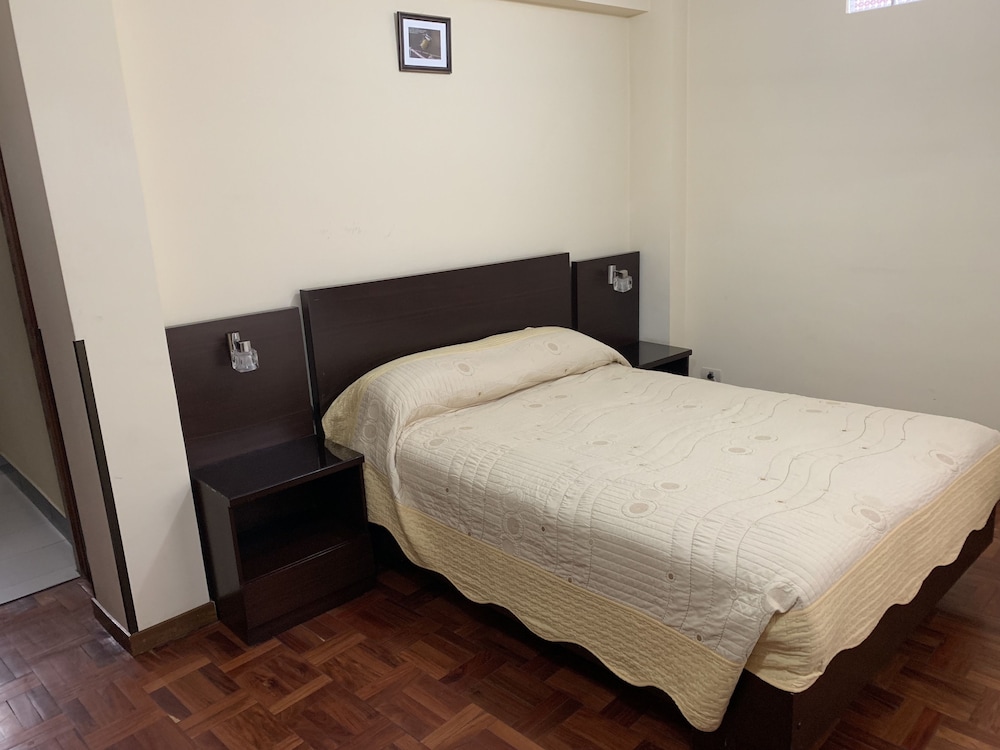
Hotel stock in La Paz is small and mostly family-run, which is a strength for service and a limitation for facilities. Ask specifically for a room with a private bathroom, hot water and a window that opens, and confirm whether the bed is a double or two singles — cots are not standard, so many families bring a travel cot or request a second bed. Rates vary by season and property; expect budget guesthouses and mid-range hotels in town, with the higher bands when you add parking, breakfast and a larger room. Confirm the total for your exact dates in writing before you pay.
Two things are worth verifying by message. First, stairs: ask how many flights to the room and whether anyone can help with bags and a pram. Second, noise: rooms facing the street take early traffic and church bells, so request an interior room if your baby is a light sleeper. Check-in times in Honduras are often flexible but not guaranteed, so ask about early check-in and whether a late arrival is fine if your transfer is delayed. Then book directly and keep the confirmation.
Two Nights, One Plan: A Route That Works with an Infant
Day one, stay close: a slow morning around the Parque Central and the cathedral, the market for fruit, then back to the hotel for the nap. In the afternoon, a short drive to the Mirador or the viewpoints above town for the light, keeping the car close. Evening meals early — kitchens in small restaurants often close earlier than you expect, and a tired baby does better before the town quietens. On day two, pick one outing: either the short run toward Marcala for countryside, or a half-day in Comayagua for its colonial centre and wider choice of shops.
Skip the long day trips. The ruins at Copán are a fine place but a long, hot day from La Paz that an infant will not enjoy, and the same is true of the Lenca route villages if you try to string several together. Keep drives under ninety minutes each way and plan around nap time, not around a checklist. If you have more than three nights, use La Paz as a base and take one overnight elsewhere rather than a series of day returns. And leave a buffer day before your flight home — road delays between the highlands and the airports are common.
Frequently Asked Questions
Before you book
The questions people ask about La Paz, answered with this month’s numbers.
Yes, for a short stay. It is a small highland town with a compact centre, mild weather and short walks around the Parque Central. The limitations are stairs in older buildings, few cots and no lifts, so check the room details before booking.
From Tegucigalpa it is roughly three to three and a half hours by road via Zambrano and Comayagua; from San Pedro Sula four to five hours. With an infant, break the drive with a stop or an overnight. Arrange a private car and bring your own car seat.
December to April, the dry season, is easiest: drier lanes, better road conditions and more reliable transfers. September and October are usually the wettest, with afternoon downpours. Evenings are cool year-round at this altitude, so pack a light layer.
Rarely. Most properties are small and family-run, and cots are not standard. Ask by message whether a second bed can be added, and plan to bring a travel cot if your baby needs one. Do not assume babysitting is available anywhere in town.
In the centre, yes, with care. Pavements are narrow, kerbs are uneven and some streets are cobbled. A compact pram with decent wheels works better than a large one, and a baby carrier is essential for the market, church steps and any steep side street.
Mototaxis and tuk-tuks cover short hops in the centre cheaply, but they have no seatbelts. For an infant, walk for short errands and arrange a private car through your hotel for anything longer. Buses to Marcala leave from the town terminal and are not pram-friendly.
Ask for the exact total for your dates in writing, whether the room has hot water and a private bathroom, how many stairs there are, and whether early check-in or a late arrival is possible. Request an interior room if street noise is a concern.
Two or three nights is enough for the town, the market and one short outing. Keep drives under ninety minutes each way and plan around nap time. If you want to see Copán or the Lenca villages, take an overnight elsewhere rather than a long day trip.