A weekend in La Paz from Tegucigalpa: leaving Friday after work
 Evening traffic leaving the capital toward the Comayagua valley on the CA-5
Two nights, about 320 km of round trip, and one decision that makes or breaks the whole thing — whether you push to Marcala on Friday night or stop short.
The Friday-night decision that shapes the weekend
You leave the capital at 5pm. The CA-5 north to the Villa San Antonio turn-off takes about 90 minutes in Friday traffic, and La Paz Centro is another 20 to 25 minutes. That gets you to a bed by 7.15pm with dinner still available. Pushing on to Marcala adds a further 70-odd km of mountain road, two more hours in the dark, and arrival close to 9.30pm with nothing open.
My answer: stop in La Paz Centro on Friday and drive to Marcala at first light on Saturday. You lose nothing — you were going to be asleep anyway — and you gain the mountain road in daylight, which is both safer and the best two hours of scenery in the department. The exception is if you have booked a coffee farm outside Marcala with a host expecting you; in that case leave the capital at 3pm, not 5, and take the road while the light lasts.
Friday night in La Paz Centro
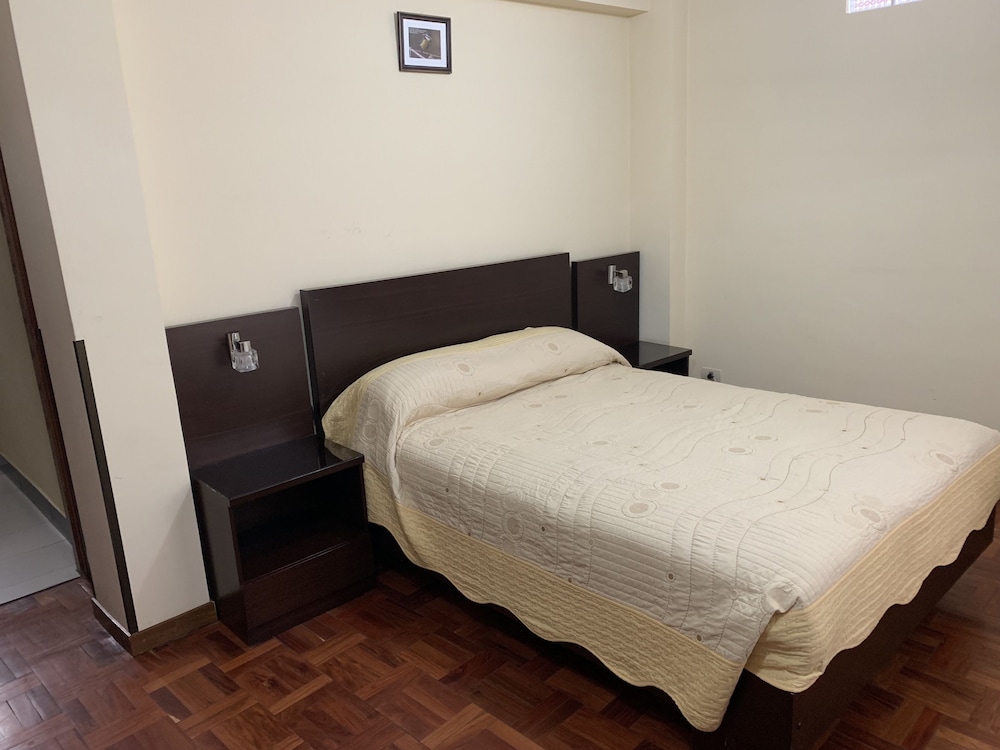
Book ahead — the town's hotels run about $25 to $45 a night, and on Fridays they absorb business travellers, Palmerola crews and families visiting from Tegucigalpa. Ask for secure parking and confirm hot water, which is the variable that separates the $25 rooms from the $45 ones. Anywhere within four or five blocks of the central park puts dinner within walking distance, which matters when you have just driven from the capital and do not want to move the vehicle again.
Dinner is straightforward: fried chicken and pupusa stands around the plaza until about 9pm, a couple of sit-down places doing plato típico and grilled meat for $7 to $12, and baleadas for $1.50 to $2.50 almost anywhere. Have a walk around the park afterwards — Friday evening is when La Paz Centro is actually busy, with families out, music from a couple of doorways, and the church lit. Then sleep, because your alarm is set for 6am.
Saturday, 6am to 1pm: the road to Marcala
Coffee and a baleada by 6.30, on the road by 7. San Pedro de Tutule at about 7.40 is worth ten minutes for the Saturday market that spills into the street. Then the long climb: pine ridges, coffee farms stepping down the slopes, and half a dozen places where a photograph is worth the pull-over. Arriving in Marcala around 9.30 gives you the town at its best, because Saturday is the busiest market morning of the week and the produce is at its peak between 8 and 11.
Spend the morning on foot. The market blocks, the cooperative offices where you can usually buy roasted coffee direct for $5 to $7 a pound, and the streets climbing out of the centre toward the beneficios. If it is between November and February, ask at a cooperative whether they have a cupping running — the harvest schedule makes Saturday mornings unpredictable but often generous. Lunch by noon in a comedor near the market, $3 to $5, and you have banked the whole point of the weekend before 1pm.
Saturday afternoon: choose one, not three
The mistake is trying to add a waterfall, a farm visit and a neighbouring town to one afternoon. Pick one. A farm visit with a walk through the plantings and a tasting takes three hours door to door and costs roughly $15 to $35 a head depending on whether food is included. A drive out toward Chinacla or Cabañas takes two hours plus stops, and gives you the emptier back roads. A slow afternoon in Marcala itself — reading in a café, walking the ridge road at 4pm — is a legitimate third option.
Whatever you choose, be back in town before 5.30. The light goes early behind the western ridge, temperatures drop into the low teens by 8pm, and the local rhythm on Saturday evening is early dinner rather than late night. Marcala is not a nightlife town and pretending otherwise wastes a weekend. If you want the mountain at its most atmospheric, set a 5.30am alarm on Sunday instead and watch the mist come off the coffee slopes with a cup in your hand.
Where to sleep on Saturday
Two good options and one I would skip. A guesthouse in Marcala town, $22 to $45, puts you within walking distance of dinner and the Sunday morning market, and is the right call if you did not bring a vehicle. A coffee farm lodging outside town, roughly $40 to $70 including at least one meal, buys you silence, better views and a host who can explain the whole production chain — the right call if you have a vehicle and want the trip to feel like a proper escape.
Skip the idea of sleeping somewhere further west, in Santa Elena or Yarula, on a two-night weekend. The rooms there are $12 to $20 hospedaje-standard with cold water, and more importantly the drive eats the Saturday afternoon and the Sunday morning. Those towns deserve a trip built around them, not a detour. Whichever you choose, confirm blankets: highland guesthouses vary wildly, and a thin sheet at 1,300 metres in January is a long night.
Sunday: get home before dark
Breakfast at 7, on the road by 8.30 at the latest. That gives you a stop in San Pedro de Tutule, an hour in La Paz Centro for the Sunday plaza and a late almuerzo, and a departure south around 1.30pm. Tegucigalpa by 3.30 to 4pm on a Sunday means you arrive with the afternoon still intact and no capital traffic to speak of. Every hour you push that back, you take a slice out of Monday.
The high-value Sunday variation is a detour to Comayagua, 20 to 30 minutes north of La Paz Centro, for the cathedral, the colonial centre and lunch. It adds about 90 minutes to the day and gives the weekend a second, entirely different flavour. It also puts you on the CA-5 further north, which costs you nothing on the way back to the capital. If you do it, skip the La Paz Centro plaza stop rather than shortening the Marcala morning.
The bus version, and the total cost
Without a car this weekend still works. Direct buses from Tegucigalpa to Marcala take about four hours and cost roughly $6 to $9; La Paz Centro is two hours and $3 to $4, with rapiditos onward to Marcala for another $3 to $4. Friday departures thin out after 4pm, so a bus weekend usually means travelling Saturday morning from the capital and accepting a later Marcala arrival — around 11am if you catch the 7am bus. Sunday return departures generally dry up by mid-afternoon.
Costs, two people sharing: driving, about $50 to $60 in fuel and tolls plus $70 to $115 for two nights and $60 to $90 in food, so roughly $180 to $265 for the weekend. By bus, about $30 in fares, the same lodging and food, and one less thing to worry about parking. I would drive if the goal is farms and back roads, and take the bus if the goal is Marcala town, coffee and sleep.
Before you book
The questions people ask about Marcala, answered with this month’s numbers.
It is done nightly by locals, but it is not what a visitor should attempt on their first trip. The road has unlit switchbacks, no shoulder in places, pedestrians and livestock, and no signal for stretches. Stop in La Paz Centro at around 7pm and take the same road at 7am instead.
A week ahead is usually enough in the low season. For Semana Santa, the long weekends around 15 September and the Christmas to New Year stretch, book four to six weeks out — Marcala and La Paz Centro both fill with domestic travellers and prices in the $25 to $45 band tighten toward the top.
Yes, and it is the faster route if you are coming from abroad. Palmerola sits near Comayagua, roughly 35 to 45 minutes from La Paz Centro and about two and a half hours from Marcala. Car rental desks operate there, and a private transfer to La Paz Centro runs roughly $35 to $55.
A warm layer and a rain shell. Tegucigalpa at 990 metres does not prepare you for Marcala at 1,300, where evenings settle into the low teens year-round and cloud drizzle happens even in the dry months. Also bring cash — card acceptance outside the two main towns is unreliable.