What to pack for La Paz, Honduras: a season-by-season list
 Rubber boots, poncho and fleece laid out beside a bed in a highland guesthouse
A trip here can cross 1,300 metres of altitude in two hours, from 32C in the lowlands to a 6C dawn on the ridges — and about a third of what you need is cheaper bought in the market when you arrive.
The three-altitude problem, which is the whole reason this list exists
Most packing advice for Central America assumes heat. Here that gets you into trouble by the second night. The department spans three climatic bands: the low south and the valley edge around La Paz Centro, Cane and Aguanqueterique, where April afternoons reach 32-35C; the coffee belt around Marcala and Santiago de Puringla at 1,200-1,500 metres, with days of 23-27C and nights of 10-16C depending on season; and the high municipalities of Guajiquiro, Opatoro, Yarula and Santa Elena above 1,600 metres, where dry-season nights hit 4-8C.
A typical week crosses all three. You land at Palmerola in valley heat, drive up to Marcala in the afternoon, and take a day trip higher still. That means layers, not a single climate wardrobe: a breathable base, one warm mid-layer, and a shell that handles both wind and rain. It also means you can travel light, because you are never far from a market that sells blankets, ponchos and boots. Pack for the coldest hour of your trip and the wettest hour of your trip; everything between those two is easy.
November to February: the cold, clear, dry-season kit
This is the season people underpack for. Bring a fleece or light down jacket, a long-sleeve base layer, a hat, thin gloves if you plan any dawn starts above 1,500 metres, and socks to sleep in. Buildings are unheated throughout the department and a Marcala room at 11C at six in the morning is properly cold when the floor is bare tile. A windproof shell matters more than a waterproof one, because the norte cold fronts arrive as wind and fine drizzle rather than downpours, and it is the wind that takes the heat out of you on a ridge.
Daytime is the opposite problem: 24-26C with fierce high-altitude sun and very dry air. Bring high-factor sunscreen, lip balm, sunglasses and a brimmed hat, and drink more than you think, because you will not notice sweating at that humidity. Add a head torch for evening power cuts and for the very early starts that coffee farm visits require. If you are staying above 1,700 metres rather than day-tripping, add a sleeping bag or liner rated to around 0C; the blankets provided are adequate for people acclimatised to this and thin for anyone else.
March to early May: heat, dust and burning haze
The hottest and driest stretch of the year needs almost the inverse. Loose long-sleeved cotton or linen beats a t-shirt in the lowlands, both for sun and for the dust that every passing pickup throws off the unpaved roads. Bring a lightweight buff or scarf you can pull over your nose and mouth: from mid-March into April, agricultural burning across the interior loads the air with smoke and fine particulate, and anyone with asthma or sensitive eyes will want eye drops and an inhaler in a pocket rather than in a suitcase.
You still need one warm layer. Marcala nights in April sit around 14-16C, and the high villages around 8-10C, so a fleece stays in the day bag even when the afternoon reads 30C. Footwear can be light: trails are hard-packed and dry, and a trail shoe is plenty. Skip the rain gear beyond a small packable jacket; the first serious showers usually hold off until the last days of April or the first week of May. This is also the season where a rehydration salts sachet or two earns its place in the wash bag.
June to August: the rain kit that actually works
The afternoon downpours are intense and short, which means the technical rain jacket that works in Europe underperforms here. What works is a plastic or coated-nylon poncho worn over a light jacket and over your daypack, which is exactly what everyone locally uses and which costs about $4-8 in any market. Add quick-dry trousers, two pairs of synthetic socks rather than cotton, and a dry bag or two heavy zip bags for phone, camera and documents. Cotton takes two days to dry in a highland room in August, so leave the jeans at home.
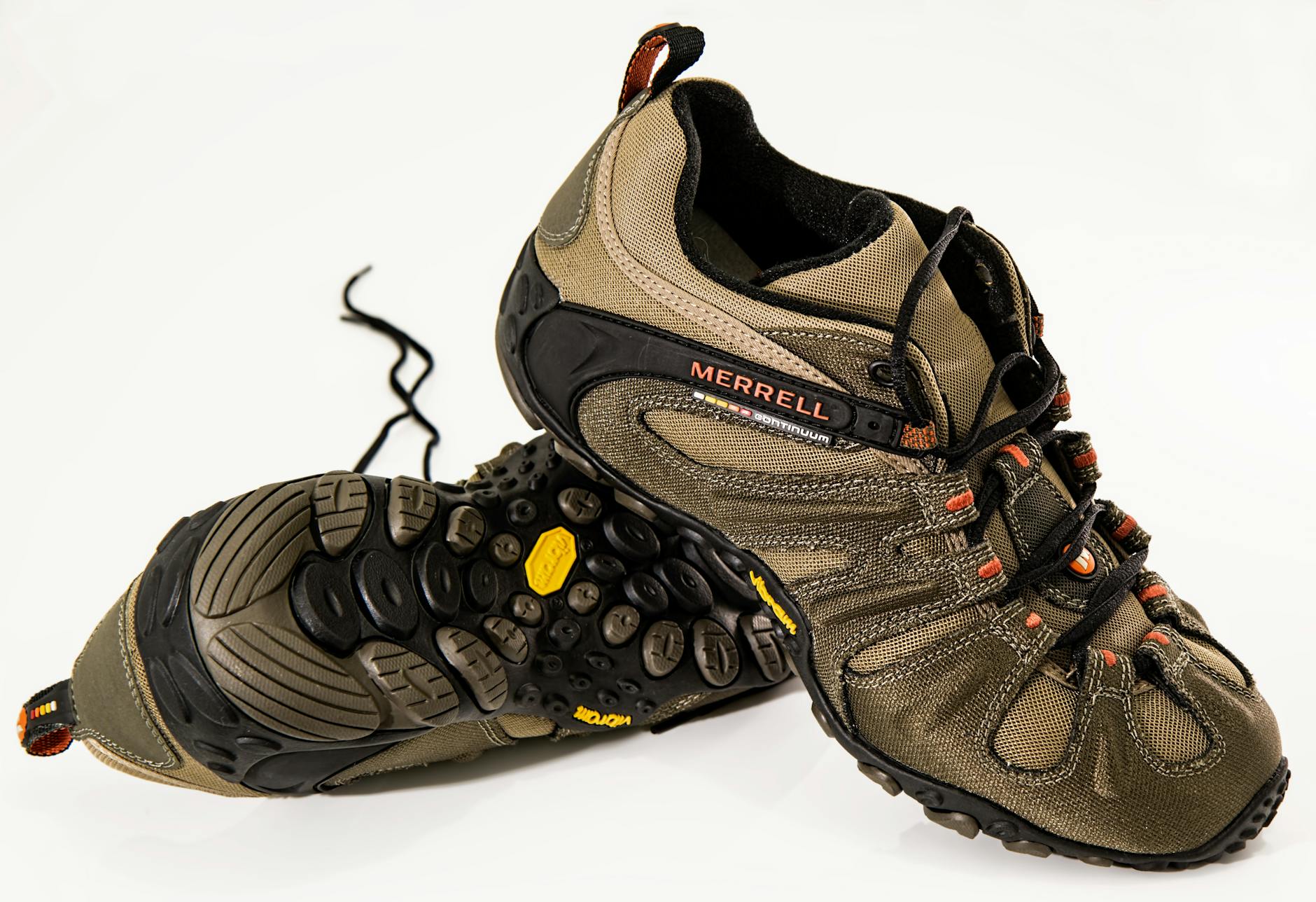
Footwear is the real decision. For farm walks and village roads in the wet months, rubber boots beat hiking boots outright: the mud is deep, the tracks are running water, and you can hose boots off at the tap. Buy them here for $10-15 in La Paz Centro or Marcala rather than carrying them. Keep a pair of light shoes for town. Add insect repellent, which matters more in the wet season and in the warmer lowland municipalities than it does at 1,500 metres, and a small clothesline for a room with no drying space.
September and October: storm-season additions
Everything from the June list, plus redundancy. This is the second rainfall peak, when systems park over the highlands for days, dirt roads shut and power goes out for longer stretches. Add a power bank of decent capacity, a paper copy of your bookings and passport, cash in small notes because ATMs go offline when the power does, and enough medication for several extra days in case a road closure holds you somewhere. Put a spare set of dry clothes in a sealed bag at the bottom of your luggage and do not open it until you need it.
Also pack for cold-wet rather than warm-wet: at 1,300 metres a wet 22C day with wind is chilly, and there is nowhere to dry out. A second warm layer and a spare pair of shoes make the difference between a bad afternoon and a bad trip. Consider a lightweight umbrella for towns, which locals use constantly and visitors dismiss. And be realistic about your bag: wheeled cases do not work on unpaved village streets in October, and a duffel or backpack you can carry through mud is worth more than any waterproofing feature.
What hotels here do not provide
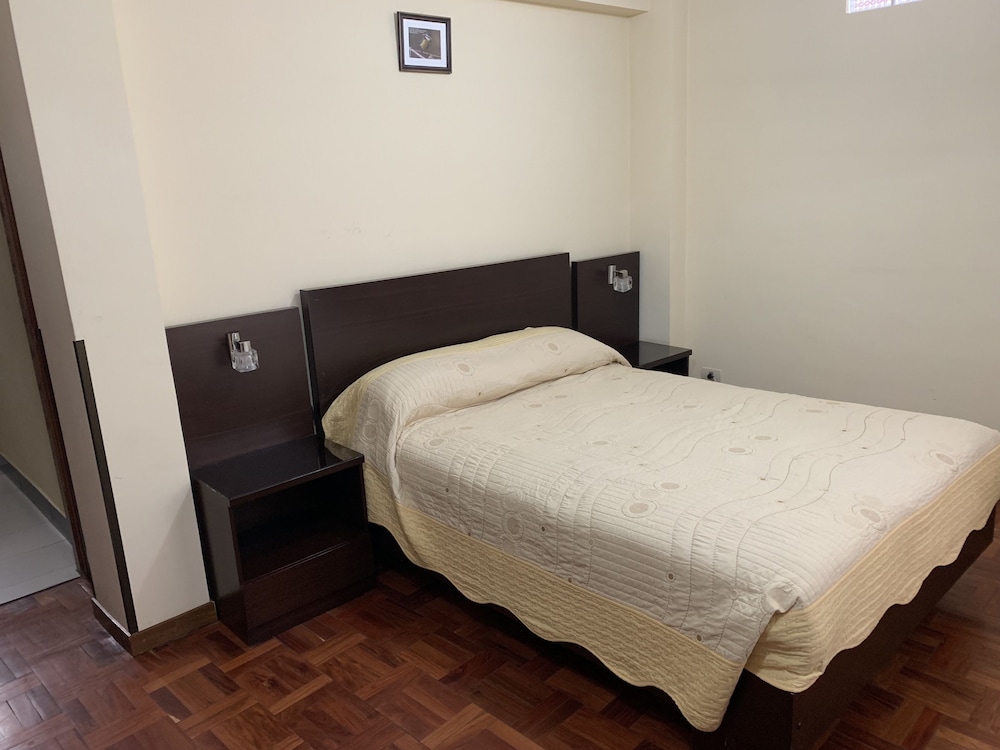
Assume no heating, no kettle, no hairdryer, no iron, no bathtub and no minibar at any price point in this department. Toiletries beyond a small bar of soap are rare below the mid-range, so bring shampoo and anything specific. Towels are provided but are often thin, and a compact travel towel is genuinely useful for farm stays. Wifi exists in the towns and is unreliable on the farms; download offline maps of the La Paz-Tutule-Marcala corridor and of the dirt routes to Guajiquiro and Opatoro before you leave the capital.
Two additional items pay for themselves. Earplugs, because roosters, church bells, dogs and — in harvest season — loaded pickups leaving at four in the morning are all normal here. And a universal sink plug, because plugholes without stoppers are close to universal and hand-washing clothes is how you deal with a week of muddy trousers. Ask for a second blanket at check-in rather than at bedtime in the cold months; most places have them but will not put them out unless asked.
What to buy in the market instead of carrying
Do your last shopping in La Paz Centro or on Marcala's Sunday market rather than flying things in. Rubber boots run $10-15, a poncho $4-8, a wool or acrylic blanket $10-20, a machete-proof canvas bag a few dollars, a straw hat around $5, and a thermos and coffee to fill it are obviously cheap here. Marcala coffee bought directly from a cooperative shop costs a fraction of what the same beans cost exported, and it is the single best thing to carry out rather than in.
What not to bother with: hiking poles for the trails around Marcala, which are unnecessary on graded farm roads; heavy camera gear you will not want to carry in an October downpour; and formal clothes, since nothing in this department requires them. Skip water purification tablets if you plan to stay in towns, where bottled and bagged water is sold everywhere for under a dollar, but bring a filter bottle if you are heading to the high villages for several days. Pack half of what you first laid out and buy the difference in the market.
Before you book
The questions people ask about Marcala, answered with this month’s numbers.
Only if you plan to sleep above about 1,700 metres, in the villages of Guajiquiro, Opatoro, Yarula or Santa Elena, between November and February. A bag or liner rated to 0C makes a 5C unheated night comfortable. For Marcala and La Paz Centro, a fleece, socks and a requested second blanket are enough.
Rubber boots from June to October, hiking or trail shoes from December to April. The wet-season farm tracks are deep mud and running water, and boots hose off at the tap while leather does not. Buy them in the market in La Paz Centro or Marcala for $10-15 rather than carrying them from home.
In the towns yes, through your hotel or a small lavanderia, usually charged by weight and turned around in a day for a few dollars. On farms and in villages it means hand-washing, which is why a sink plug, a small clothesline and synthetic quick-dry clothing matter far more here than they would in a hot lowland trip.
Yes in La Paz Centro and Marcala pharmacies, though the choice is narrow, the factors are usually lower than you want and prices are higher than at home. Bring high-factor sunscreen and lip balm from abroad, especially for the dry season when the sun at 1,300 metres burns quickly in air that never feels hot.