When to visit La Paz: month-by-month
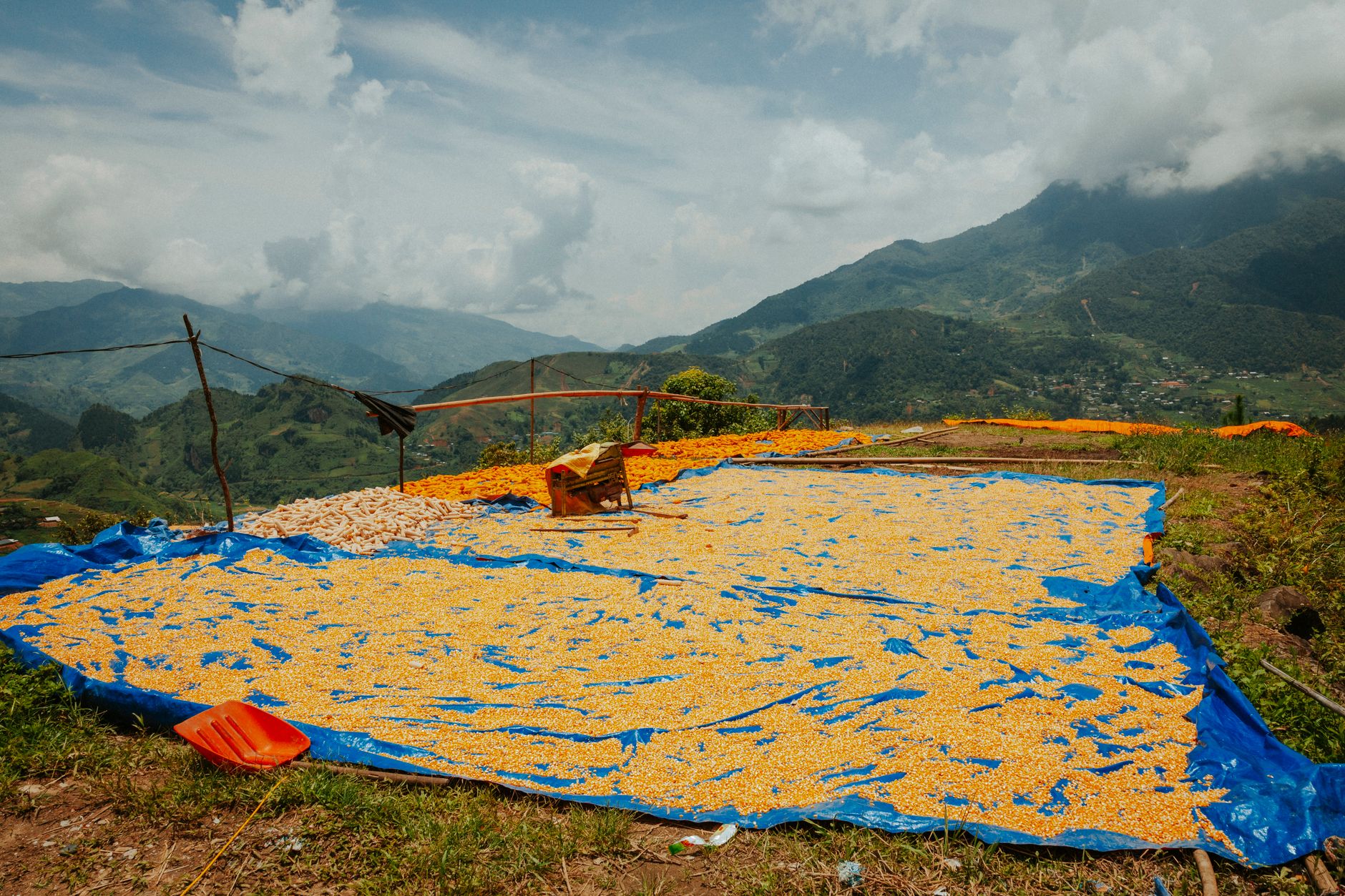 Coffee drying patios under clear dry-season skies in the Honduran highlands
Two seasons, one harvest and a month you should genuinely avoid: here is what each part of the year looks like across a department that spans 400 metres of hot valley and 2,000 metres of cloud forest.
The two seasons, and why altitude changes everything
La Paz has a dry season from roughly November to April and a wet one from May to October, with a mid-summer dry spell, the canícula, usually falling between mid-July and mid-August. But the department stretches from southern municipalities like Aguanqueterique and Lauterique in hot, dry lowland country to Guajiquiro and Yarula above 1,600 metres in cloud forest. The same week can be 34 degrees and dusty in the south and 12 degrees with horizontal drizzle in the north.
Your practical benchmarks: La Paz city at 640 metres is warm year-round, hottest March to May. Marcala at 1,300 metres runs low to mid twenties by day with nights of 10 to 14 degrees from December to February. The high Lenca towns are colder and wetter than anywhere else in the department. Pack for both: light clothes plus a fleece and a rain shell, in every month of the year, because the drive from valley to coffee country takes two hours and changes climate zone entirely.
January and February: the best months, no argument
January is the strongest month in the department. The coffee harvest is at full tilt, with pickers on the slopes, wet mills running and drying patios covering every flat surface around Marcala. Roads and farm tracks are dry, so Cueva del Gigante, the Guajiquiro ridges and the rougher access routes are all in play. Skies are clear before the burning season starts, nights are cool at 10 to 14 degrees in the coffee zone, and rooms are still easy to find at $18 to $30.
February keeps the good weather and adds the cupping and buying season, which is when the year's lots are scored and international buyers appear in Marcala. That makes it the best month for serious tasting and the first month where lodging with reliable wifi needs booking a couple of weeks ahead. Days warm noticeably in the valley. If you can only pick one month for a coffee-focused trip, take January for the spectacle and February for the cup.
March and April: hot, hazy and full of ceremony
March and April are the hottest and driest months, and in the valley around La Paz city and Comayagua the heat becomes a factor in planning: midday is for shade, not walking. Visibility drops as agricultural burning fills the air with haze, which hurts photography and can bother asthmatic travellers. Up in Marcala it stays pleasant, and the tasting season continues, but the landscape looks tired and dusty compared with January.
The compensation is Semana Santa. Easter Sunday falls on 5 April in 2026, and in the days before it Comayagua lays its famous sawdust carpets through the streets around the colonial cathedral, drawing crowds from across the country. It is genuinely worth planning around, but it fills every room in the Comayagua valley and pushes overflow into La Paz city, so book a month or more ahead and expect higher rates. Late April brings the first rains and, with them, coffee flowering.
May and June: the green switch
The rains usually break in May, and the change is dramatic: dust settles, haze clears, the burnt hills go green within two weeks, and the coffee flowers open for a few days, filling entire valleys with a jasmine smell. Nobody can predict the exact date. Afternoon storms become the pattern, generally arriving after two, which makes mornings entirely usable for walking, waterfalls and farm visits. Temperatures moderate everywhere.
This is the best value window of the year. Rooms are at their emptiest, guides are available at short notice, and the landscape looks better than in March. The trade-off is that the coffee cycle is dormant, so a farm visit shows you agronomy rather than production. June deepens the rains without reaching September's intensity. If you are coming for landscape, walking and quiet rather than harvest, book May or June and enjoy having the place effectively to yourself.
July and August: the canícula gamble
The canícula, a mid-summer dry break, typically falls somewhere between mid-July and mid-August and can deliver a fortnight of clear, warm, entirely reliable weather in the middle of the wet season. When it lands, this is a superb time to be here. When it does not, you get the standard pattern of bright mornings and heavy afternoon rain. Nobody sells a forecast for it, so treat it as a bonus rather than a plan.
These are also school-holiday and returning-diaspora months, which means domestic travel is busier, buses fuller and family celebrations more frequent. Roads to the highland municipalities are usable but rough, and river levels are high enough that swimming holes around Chinacla and Puringla become unpredictable. Plan mornings for anything outdoors, keep afternoons flexible, and do not commit to an unpaved mountain route without asking locally about conditions that same day.
September and October: the months to avoid
This is the wettest period and the one stretch of the year I would tell a visitor to skip. Rainfall peaks, mountain roads are at their worst, unpaved access to farms and to Cueva del Gigante becomes impassable in places, and landslide closures on the routes to Marcala and the highland municipalities are a genuine possibility rather than a theoretical one. It is also the active part of the Atlantic hurricane season, and while La Paz is inland, remnant systems have caused serious flooding and landslides in the Honduran interior before.
On the coffee side, nothing is happening: trees are green, mills are idle, and a farm tour is a description rather than a demonstration. Cascada La Estanzuela runs at maximum volume, which looks spectacular and rules out swimming. If your dates are locked to these months, base yourself in town rather than on a hillside, keep plans loose, build in buffer days before any flight, and accept that you will see the department at its most photogenic and least accessible.
November and December, plus how to pick your month
November is the turn. Rain tapers off through the month, roads dry out, and the first coffee picking begins at lower altitudes. It can be one of the best times to come, greener than January with the harvest just starting, though early November still carries rain risk. December brings the harvest properly, cool nights, clear light, and the local calendar of fairs and celebrations, along with more domestic travel around the holidays and slightly fuller rooms.
The summary I would give a friend: come in January for the best combination of weather, harvest and availability. Come in February or March if the coffee cup matters more than the picking. Come in May or June for green landscapes, low prices and empty guesthouses. Come at Easter only if you specifically want the Comayagua carpets and have booked ahead. Avoid September and October unless you have no choice, and in that case stay flexible and stay in town.
Before you book
The questions people ask about La Paz, answered with this month’s numbers.
January. The coffee harvest is at its peak around Marcala, roads and farm tracks are dry so archaeology and cloud-forest walking are accessible, skies are clear before the burning haze of March, nights are pleasantly cool at 10 to 14 degrees, and rooms remain easy to find at $18 to $30.
No. From May through August the usual pattern is a clear morning with storms building after two in the afternoon, so mornings stay fully usable for waterfalls, farms and walking. September and October are the exception, with longer, heavier rainfall and a real risk of road closures on mountain routes.
Easter Sunday falls on 5 April 2026, with the sawdust carpets laid in Comayagua during the preceding days. It fills hotels across the whole valley, including La Paz city 8 kilometres away, and pushes rates up. Book a month or more ahead or travel a fortnight either side.