Where to stay in Cabañas, La Paz: the border-country guide
 Coffee slopes and border ridges in the municipality of Cabanas, La Paz, Honduras
Cabañas is coffee country pressed against the El Salvador frontier, offers rooms at roughly $10-25 when it offers them at all, and sits about 90 minutes beyond Marcala on roads that decide your season for you.
Where Cabañas sits and why it feels different
Cabañas occupies the southwestern edge of the department, in the belt of ridges and coffee slopes that runs down toward the international boundary with El Salvador. That position shapes everything about it. This is the country of the old border pockets settled by the 1992 International Court of Justice ruling that fixed the disputed sections of the frontier, and the Nahuaterique area on this side of the line still carries the marks of that history in its settlement pattern, its accents and its trade. People here look south and west as much as north toward Marcala.
For a traveller that produces an atmosphere you do not get in the interior highlands: a genuine frontier zone where goods, families and dialects cross a line that only became definitive within living memory. It is quiet, agricultural, and completely unaccustomed to visitors. Nothing is set up for you. What you get instead is one of the more distinctive corners of Honduras, and the sense of being somewhere that very few outsiders bother to reach.
What a night costs, and what you get
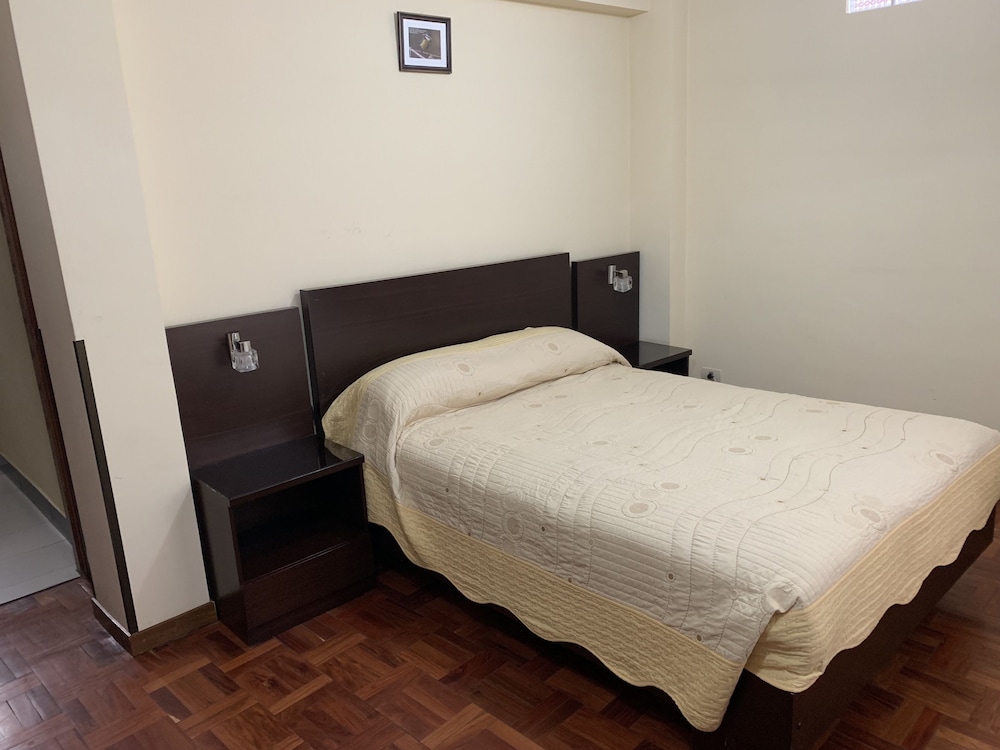
Expect $10-25. At the lower end that is a plain room in a family house or above a shop in the municipal seat, with heavy blankets, a shared bathroom and cold water. At the upper end you may find a private bathroom and an electric shower head, though power reliability makes that a coin toss. Meals are arranged rather than ordered: $2.50-4 for a plate of beans, eggs, tortillas and coffee, with something more substantial at midday. Everything is cash, there is no reliable ATM in the municipality, and card payment does not exist.
That is at the cheap end of the departmental range, roughly on a par with Chinacla and Opatoro, well under half a mid-range Marcala room and a third of a comfortable one in La Paz Centro. The real cost of Cabañas is not the bed, it is the getting there: a hired vehicle and driver from Marcala for a day runs somewhere in the $80-130 range depending on how far into the aldeas you go. Split among four, that is manageable. Alone, it is the largest single line in your budget.
Who should book here
Coffee people with business in the border-zone cooperatives, and travellers with a specific interest in the frontier history and the communities of the former disputed pockets. Also anyone who has already spent time in Marcala, understands how rural highland travel works here, and wants to push further into country that receives almost no visitors. If you speak reasonable Spanish and are comfortable making arrangements face to face rather than in advance, Cabañas will treat you well and cost you very little.
Skip it if this is your first or only stop in the department, if you are short on days, or if you need connectivity, comfort or predictability. Skip it in the height of the rains unless you have four-wheel drive and slack in your schedule. And skip it if your interest in the border is casual: there is no organised crossing experience for tourists here, no visitor centre and no monument trail, and turning up expecting one produces an anticlimactic afternoon and an awkward conversation about why you are photographing a hillside.
Border practicalities you should know
This is a working international frontier, not a curiosity. Movement across it by local people is routine, but that does not mean an unofficial crossing is available to a foreign visitor with a passport that needs stamping. If your plan involves entering El Salvador, use a formally recognised crossing point with immigration staff, plan the route in advance, and do not improvise on a farm track because somebody said it was fine. Getting an exit stamp wrong is a problem you will be resolving in a city office days later.
Carry your passport, not a photocopy, whenever you are in the border municipalities, because military and police checkpoints are a normal part of the road here and identity checks are routine and polite. Be relaxed about them, keep the document accessible, and photograph nothing at a checkpoint. Ask locally before walking toward the boundary itself; some ground is farmed, some is sensitive, and the courteous move is to have a local companion who can explain who you are before anyone has to ask.
The road from Marcala
Everything starts in Marcala. The route runs south and west through the coffee belt, with paved sections giving way to gravel and then to graded dirt as you approach the frontier ridges, and the drive typically takes an hour and a half to two hours depending on surface and season. Shared pickups run on the standard rural rhythm — into Marcala in the morning, back out around midday — and cost $4-7 for a seat. If you are relying on those, aim to travel outbound before noon and treat your return as a fixed morning appointment.
In the dry months, roughly November to April, a sturdy vehicle with high clearance manages the route with care. From May to October, and particularly in September and October, take four-wheel drive or take shared transport and let somebody who drives it weekly make the judgements. Fill the tank in Marcala; fuel out here is sold from drums at a markup when it is sold at all. And under no circumstances plan to arrive after dark, because unlit gravel with drop-offs and no barriers is not a place to learn the road.
What you can do on foot
The municipal seat is small — a church, municipal offices, school, a few shops and comedores, all within a few minutes' walk. Outside that, the walking is excellent and entirely unmarked: farm tracks between coffee plots and pasture, ridge lines with long views south into El Salvador, and small settlements strung along the roads where you will be offered coffee more often than you can politely accept. Take a local guide, agree a fee of a few dollars for the morning, and let them route you away from private plots and sensitive ground.
Time it around the harvest if you can. From November through February the coffee is being picked and processed across the municipality, and the roads carry sacks, pickers and beneficio traffic. That is when the place is most alive and most legible to a visitor who wants to understand the economy rather than just the scenery. In the green months the landscape is spectacular and the mud is serious, and you will spend more of your day negotiating the road than walking it.
Cabañas or somewhere else in the south
Against Chinacla, the other lower-lying southern municipality: Chinacla is closer to Marcala, easier to reach and warmer, and gives you a similar coffee-valley experience with less commitment. Choose Chinacla if you simply want a day out of Marcala into the coffee. Against Santa Elena and Yarula: those are the high, cold, Lenca-institutional villages, an entirely different landscape and a different reason to travel. Choose them for culture and pine forest, Cabañas for frontier and coffee.
The honest recommendation for most visitors is to base in Marcala for four nights, hire a vehicle and driver for one full day to Cabañas, and keep your nights where the hot water and the phone signal are. Sleep in Cabañas only if you have a reason to be here for two days rather than six hours: a cooperative, a family, a research interest. When you do, arrange the room through a Marcala contact rather than gambling on finding one after a two-hour drive.
Before you book
The questions people ask about Marcala, answered with this month’s numbers.
Not informally. Local people move across routinely, but a foreign visitor needs a formal crossing point with immigration staff to get exit and entry stamps. Plan any crossing in advance using a recognised post, and never improvise on a farm track — resolving a missing stamp later is a multi-day problem.
It is the area on this side of the frontier associated with the former disputed border pockets settled by the 1992 International Court of Justice ruling between Honduras and El Salvador. The history is visible in settlement patterns, family ties and speech, but there is no visitor centre or monument trail.
Roughly an hour and a half to two hours, with paved road giving way to gravel and graded dirt near the frontier ridges. High clearance is needed year-round and four-wheel drive from May to October. Fill up in Marcala and never plan to arrive after dark.
It is a quiet agricultural border zone, and the practical risks are road conditions and weather rather than crime. Expect routine, polite police and military checkpoints, carry your actual passport, take photographs of nothing at a checkpoint, and travel in daylight with a full tank.