Where to stay in Marcala: which part of town to book
 Rooftops and coffee-covered hills on the edge of Marcala, La Paz, Honduras
Marcala has three distinct places to sleep — the plaza blocks, the road-in strip and the ridges above town — and picking wrong costs you either $25 a night or an hour of daily driving.
Who books Marcala, and who is wasting a night here
Marcala is the working capital of Honduran speciality coffee, sitting at roughly 1,300 metres near the Intibuca border, and it is the only town in the department with enough beds, restaurants and onward transport to function as a genuine base. It suits anyone spending three or more days in the region, anyone visiting cooperatives or mills, and anyone who wants to reach Chinacla, Cabañas, Yarula, Santa Elena or Opatoro without a four-hour approach each morning. It also suits people who want a cool climate, a walkable grid and dinner that is not rice and beans for the fifth night running.
It is a poor choice for one-night stopovers on the way to somewhere else, because getting here is the expensive part: two to two and a half hours from La Paz Centro, four or so from Tegucigalpa. It also disappoints anyone expecting a picturesque colonial town. Marcala is a functional highland market town with concrete buildings, pickup traffic and a coffee industry that dominates the local conversation. The appeal is what surrounds it and who you meet, not the architecture.
Price bands and how they compare
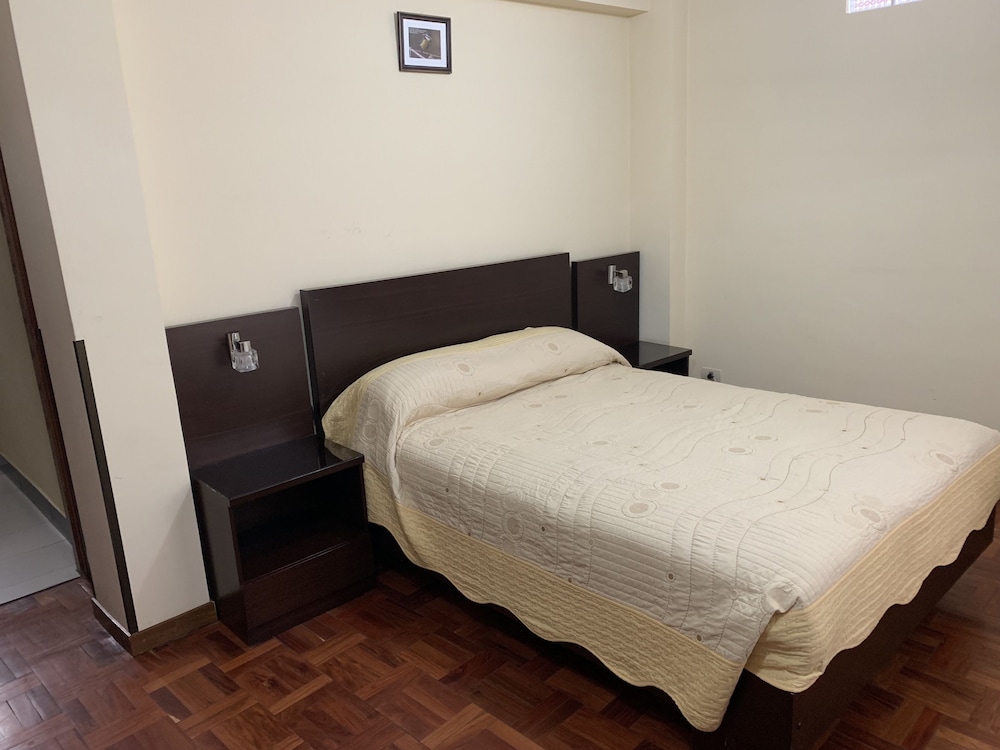
The bottom of the market is a hospedaje room near the market or the bus stop at roughly $12-20: a bed, a fan you will not need, cold water more often than not, and a shared bathroom in the cheapest cases. The middle band, and where most visitors land, is $28-45 for a private double with hot water, wifi that works in the evenings, and a locked patio for a car. Above that, around $50-70, you get larger rooms, breakfast included and staff used to dealing with foreign visitors and coffee buyers.
Compared with the rest of the department, Marcala is better value than La Paz Centro at the same price point because more of the properties were built or refurbished for the coffee trade. It is two to three times the price of the hospedajes in the smaller municipalities, and that gap buys you hot water at 1,300 metres, which is not a luxury in January. Lodgings on the coffee farms outside town sit higher again, typically $45-90, but those rates generally include two or three meals and transport is part of the arrangement.
The plaza blocks: best for walkers
The centre is arranged around the parque central and the church, with the municipal market a couple of blocks off and the commercial streets running out from there. Rooms in this zone are the right call if you arrive by bus and intend to stay on foot. Everything you need is inside a five-minute radius: bank branches with ATMs, several cafes serving locally roasted coffee rather than instant, comedores doing a full lunch for $3-5, pharmacies, hardware shops and the informal stands where drivers wait for passengers to Chinacla and the southern villages.
The catch is the standard morning noise of a market town — vehicles from before five, loudspeaker advertising by eight — and very limited parking. If you have a rental car, insist on a property with a gate rather than trusting a street space. If you are hunting the cheapest bed in town, the streets immediately around the market are where you will find $12-18 rooms, and they are perfectly usable in the dry season; in the wet months the same rooms feel damp and the shared bathrooms less appealing.
The road in from Tutule: best for drivers
The approach from La Paz and San Pedro de Tutule is lined with the newer, larger accommodation: purpose-built blocks with parking inside the perimeter, restaurants attached, and rooms in the $35-55 range. This is the sensible zone if you are driving, if you are arriving after dark, or if you are travelling with luggage that you do not want to carry three blocks from a bus stop. It is also quieter than the centre, because the market noise does not reach it and the traffic thins out after nine.
The trade-off is a ten to twenty-minute walk into the plaza, which is fine by day and less appealing on a wet night with no street lighting. If you are here for two nights and want to eat out and drink coffee in town without moving the car twice a day, the plaza blocks win. If your days are spent driving out to fincas, mills and the southern municipalities, the road-in strip saves you the daily fight for a parking space and puts you on the highway in under a minute.
Sleeping on the ridges above town
The third option is not in Marcala at all: the coffee farms scattered across the hills within 5 to 20 km, several of which have built guest rooms. Location matters more than the brochure. Places within 5 km of town are effectively a suburb — you can still eat dinner in the plaza — while those beyond 15 km commit you to a gravel road, farm meals and no evening plans. Ask the distance in kilometres and the road surface before agreeing, because a 12 km approach in October can take 45 minutes.
As a rule, book a ridge stay if you want to wake up in the coffee rather than visit it, and if you are content with two set meals a day and mountain silence after dark. Book in town if you want flexibility, restaurants and the ability to change your plan at 8am. Many visitors split it: two nights in town at the start for logistics and cash, then two nights on a farm once they have decided which valley they actually want to be in.
What is within walking distance of the centre
On foot from the plaza you can reach the market, the cafes attached to local roasters, the cooperative offices where cupping sessions are arranged, several bakeries, and the small comedores that do the local baleadas and a soup on Saturdays. Walking to the edge of town takes fifteen minutes in any direction, and once you are out you are among coffee plots, pines and small holdings, with dirt tracks that make perfectly good early-morning walks. This is the only place in the department where you can drink an espresso and be in agricultural land inside a quarter of an hour.
What is not walkable: the waterfalls, the mills and the border-country viewpoints, all of which need a vehicle or a shared pickup. Nor are the southern municipalities: Chinacla is around 20-25 km, Yarula and Santa Elena considerably further on rougher roads, Cabañas out toward the border. Budget a full day and a driver for each of those. If you have no car, ask at your lodging by 6pm the night before, because informal transport leaves early and does not come back until late afternoon.
Harvest season, weather and booking timing
From November through February the town fills with pickers, buyers and cooperative staff, and the mid-range rooms are the first to go. In that window book at least a week ahead, and expect prices at the top of each band rather than the bottom. It is also the best time to be here: the mills are running, the air smells of fermenting coffee, and the weather is dry with daytime highs around 24-26C and nights that drop to 10-13C. Bring a fleece; heating does not exist and blankets vary.
The quiet season is May to October, when the rain arrives most afternoons, the unpaved roads to the southern municipalities become genuinely difficult, and you can negotiate a mid-range room down by $5-10 a night. March and April are dry, warm and hazy with agricultural smoke. If you are choosing purely on comfort and road conditions, aim for late January or February; if you want green hills and empty rooms, come in June and accept that half your side trips will be weather-dependent.
Before you book
The questions people ask about Marcala, answered with this month’s numbers.
The town itself, yes — the plaza, market, cafes, banks and bus stands are all within five to ten minutes on foot. Anything outside town is not. Without a vehicle you depend on morning minibuses and shared pickups, which typically leave between 6am and 9am and return late afternoon.
A week is usually enough for a $30-45 room between November and February, and two weeks if your dates fall around a cooperative event or a public holiday. Outside harvest you can turn up the same day. Farm stays on the ridges need more notice because most have only two to four rooms.
If your trip is about coffee, Lenca highlands or the southern municipalities, yes, decisively. Marcala is two to two and a half hours closer to all of it, cooler at night, and has similar prices. Keep La Paz Centro for airport nights only.
In the $28 and up band, usually, often via an electric shower head rather than a tank. At $12-20 assume cold unless told otherwise. At 1,300 metres in December and January that matters, so confirm it when you book rather than discovering it at 6am.