Where to stay in San José, La Paz: beds in the high coffee country
 Coffee terraces and cloud-forest edge above the village of San José in the western La Paz highlands
San José sits above 1,400 metres where nights fall to 12 degrees, rooms run $15-30, and the only reliable way to book is a phone call the week before harvest.
The case for sleeping up here instead of in Marcala
San José is one of the small western municipalities in the high ground near Marcala, and the reason to sleep here rather than 20-odd kilometres down the road is altitude and access. You wake up inside the coffee, not next to it. Pickers move at first light between November and February, the wet mills run in the afternoon, and if you want to see any of that without a two-way drive on gravel, a bed in the village or on a farm is worth more than a comfortable one in town. Birders get the same argument: the forest edge starts where the last road does.
The counter-case is real. Marcala has restaurants, coffee shops, cash machines, a pharmacy and $25-60 rooms with hot water and functioning wifi. San José has none of that depth. If your trip is two nights and includes a cupping, book Marcala and drive up for the day. If your trip is four nights and includes farms, mills and walking, split it: two nights in town for comfort and logistics, two nights up here for the mornings that actually justify the journey.
What a night costs, and where the money goes
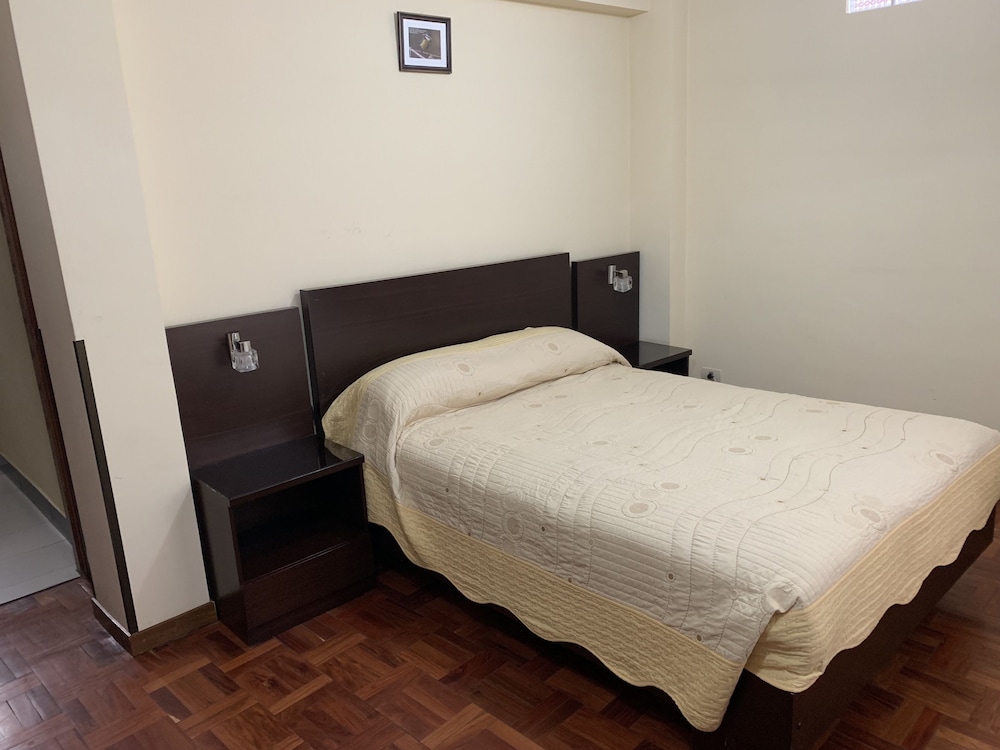
Village rooms sit at $15-25, private bath at the top of that band, cold or lukewarm water unless a farm has fitted a heater. Rooms on working coffee farms run $25-45 in normal months and can push higher during the December-February harvest when buyers fill them. That places San José above the southern villages, where $10-15 is standard, and below Marcala town, where $25-60 buys hotel comforts. Meals are usually offered rather than found, at $3-6 a plate, and that is often the best food you will eat in the department.
Where the money goes is warmth and food, not fittings. At 1,400-1,600 metres, January nights drop to 12-14 degrees and the rooms are not heated, so what you are paying for is a thick blanket, hot coffee at 6am and someone who knows which track is passable. Ask two things before you commit: whether hot water exists, and whether dinner is included. Those two answers decide whether $30 up here is better value than $40 in Marcala. Usually, in harvest, it is.
The four types of bed available
First, rooms on coffee farms. These are the reason people come: plain, clean, often with a shared bathroom, always with breakfast that involves eggs and their own coffee. They fill with buyers and technicians in harvest, so a week or two of notice matters. Second, village hospedaje rooms in the municipal seat, aimed at teachers, health staff and traders, at the $15-20 end, arranged in person or by phone through a family. No online listing, no card machine, cash only.
Third, community or cooperative lodging attached to a producer group, which sometimes has bunk space for visiting groups of six to twelve and is by arrangement, not walk-in. Fourth, camping on a farm with permission, free or a few dollars, and genuinely cold after 9pm. What I would skip: arriving unannounced in the last week of December and assuming something will turn up. That is the single busiest fortnight of the year in these hills, and the beds go to people who work here.
What is within walking distance
The village core is small enough to cross in ten minutes: church, alcaldía, a school, three or four pulperías, a comedor doing one plate at lunchtime, and a spot where pickups load in the morning. There is no bank, no cash machine and no restaurant with a menu. The weekly rhythm is agricultural, and by 7.30pm the streets are essentially empty. What you get instead of nightlife is silence, stars and the smell of drying coffee parchment on patios in December and January.
Walk out in any direction and within twenty minutes you are among coffee under shade trees, then pine, then the ragged edge where cloud forest begins on the highest ridges. Those upper edges are where the birding is worth carrying binoculars for, and where mornings before 8am pay off with mist in the valleys. There are no waymarked trails: you follow farm roads and picking paths, and you ask before crossing fences. If you want a guide, arrange it through whoever you are staying with rather than expecting to hire one on the square.
Getting up here, and when not to try
From Marcala it is roughly 20 kilometres of graded gravel with climbs and switchbacks, and 45-70 minutes is realistic depending on recent rain. Public transport is minibuses and pickups leaving early from Marcala, thinning out by early afternoon, with fares of a couple of dollars. From La Paz Centro, go via the paved road to Marcala first, then up; a straight-line route across the highlands is not a route in any practical sense. Budget half a day for the transfer if you are relying on other people's vehicles.
September and October are when I would not attempt this in a low car. Peak rain turns the gravel to grease, side tracks to farms become impassable, and a two-hour delay becomes an overnight. If you are visiting in those months, hire a pickup with a driver from Marcala or stay in town. The best window is December to March: dry roads, cool clear nights, drying patios full, mills working. April and May are dry but hazier as the region burns off fields, and the coffee action has finished.
Food, cash, signal and warmth
Eat what is cooked: beans, eggs, cuajada, tortillas made that hour, plantain, chicken soup, and coffee that has travelled fifty metres from the tree. A plate is $3-6 and portions are large. There is no vegetarian menu but the default diet is close to it, so say what you do not eat and it will be handled. Buy bread, fruit, biscuits and water in Marcala before you come up, because pulpería stock here runs to staples and not much else.
Cash only, always, and small notes. Draw money in Marcala; there is nothing up here. Mobile data works in patches and dies in the valleys, so download maps before you leave the paved road and tell someone your plan. Bring a fleece, a hat and a torch: unheated rooms at this altitude in January are cold in a way visitors consistently underestimate, and power cuts of an hour or two are routine when it rains hard. None of this is hardship, but all of it is easier if you pack for it.
Verdict: two nights in harvest, none in October
Book San José when the calendar is on your side. Between mid-November and February, two nights on a farm here is the best coffee-country sleep in the department, and the mornings, at $25-45, are worth more than the same money spent in town. Bring warm layers, cash, and a plan that starts at 6am. Outside harvest, the argument weakens: the mills are quiet, the patios are empty, and what remains is a lovely quiet village that most travellers will enjoy for one night, not three.
If you are choosing a single base for the western highlands and want to book it online with a card, choose Marcala and day-trip up here. If you can handle arranging a room by phone a week ahead and paying cash, sleep in San José for the part of your trip that matters most, and keep a Marcala night at the end for a hot shower, a proper meal and a bank machine before you head back east toward La Paz Centro.
Before you book
The questions people ask about Marcala, answered with this month’s numbers.
Between December and February, nights at 1,400-1,600 metres commonly fall to 12-14 degrees, and clear high ground can feel colder. Rooms are not heated, so pack a fleece and expect a heavy blanket rather than warm air. Days are pleasant, generally low to mid-20s, which is why the coffee grows well here.
Yes, but only if you move early. Pickups and minibuses run to Marcala in the morning and dry up by mid-afternoon, and the 20-kilometre gravel road takes 45-70 minutes each way. Ask a driver about the last return before you commit, or plan to sleep wherever you end up.
For one night, yes, for the quiet, the cool air and the ridge walks. For a longer stay, no. Between March and October the mills are idle and the drying patios empty, so the specific reason to be up here disappears and Marcala offers more for a similar $25-45.