Where to stay in Santa Elena, La Paz: the cold-country area guide
 Pine ridges and potato fields above Santa Elena in the La Paz highlands, Honduras
Santa Elena sits among the highest inhabited ground in the department, charges around $12-25 for the few rooms it has, and drops to single-digit temperatures on January nights — book it only if you know why you are going.
Who this municipality is for
Santa Elena is high, cold, pine-covered country in the south of the department, a couple of hours beyond Marcala on roads that get progressively worse. It suits travellers with a serious interest in Lenca highland life, since this and neighbouring Yarula form the heartland of the indigenous authority known as the Vara Alta, whose traditional council still carries real weight here. It suits walkers who want pine ridges, mist and long views rather than waterfalls and swimming holes. And it suits anyone visiting family, working with a community organisation, or documenting highland agriculture.
It is emphatically not for casual sightseers. There is no tourist infrastructure, no restaurant scene, no hotel in the sense the word normally implies, and no reason to come unless the culture or the landscape is the point. Travellers with limited time, small children, or any need for reliable connectivity should stay in Marcala and, at most, make the round trip in a single very long day. Anyone who wants highland cold with a hot shower at the end should look at Guajiquiro or stay up in Marcala instead.
What a bed costs here
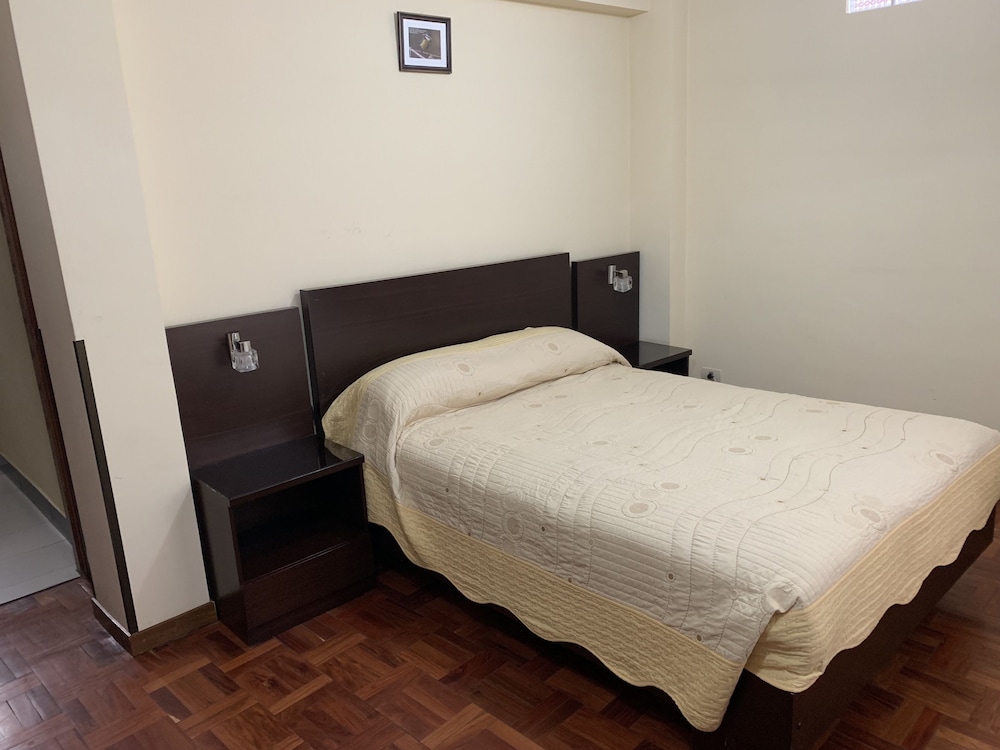
Expect $10-25 a night. At the bottom that is a room in a family house or above a shop: a bed, heavy blankets, a shared bathroom and cold water. At the top, perhaps $20-25, you might find a small hospedaje with a private bathroom and, if you are lucky, an electric shower head that works when the power is steady. Nobody here takes cards, nobody has an online listing you can rely on, and there is no dependable ATM in the municipality, so you arrive with cash and you ask around, usually starting at the municipal offices or a pulperia.
Against the rest of the department, that puts Santa Elena among the cheapest places to sleep — roughly half what a mid-range Marcala room costs, and a third of what a comfortable room in La Paz Centro runs. But the saving is not the point and should not drive the decision. You are paying less because there is less. Budget instead for the transport, which is the real expense: a hired vehicle and driver from Marcala for the day can easily cost more than three nights of accommodation.
The cold, and how to deal with it
This is genuinely cold country by Honduran standards. December and January nights can fall to around 5-8C, and the wind on the exposed ridges makes it feel colder. Houses are unheated, walls are thin, and the standard local solution is more blankets. Bring a proper fleece or down layer, a hat, and thermal base layers if you sleep cold, because no amount of money solves this locally. Days in the dry season are pleasant, often 18-22C in the sun, which catches people out: the swing between afternoon and 5am is the largest anywhere in the department.
The corollary is the wet season, roughly May to October, when the cloud sits on the ridges for days and everything feels damp. Clothes do not dry. The unpaved approach roads turn greasy and the deep sections become impassable in an ordinary car. If your window is flexible, come between late November and March: you get cold clear nights, firm roads, harvest activity in the coffee lower down and the potato and vegetable ground up top, and the best chance of the long views that justify the drive.
What is within walking distance
The village core is small: church, municipal offices, school, a handful of shops and comedores, and the open ground where transport gathers. Ten minutes covers it. The walking that matters starts immediately outside: farm tracks climbing through pine and oak, potato and cabbage plots on steep ground, and viewpoints where on a clear morning you can see a very long way across the ranges. There are no marked trails and no maps worth carrying. Ask locally, hire a young guide from the village for a few dollars, and be back before the afternoon cloud arrives.
There are no ticketed attractions, no craft market and no restaurant you would travel for. What there is, and it is worth more than any of those, is the chance to watch a highland municipality function on its own terms: the market gatherings, the church, the persistence of the Vara Alta authority alongside the elected mayor. Approach that as a guest rather than a spectator. Ask before photographing people, and if you want to understand any of it properly, arrange an introduction through a Marcala cooperative or a community organisation beforehand.
Getting here without your own vehicle
Public transport from Marcala runs on the classic rural pattern: vehicles come down to the town in the morning with people and produce, and go back up in the early afternoon. That means the practical way to arrive by shared transport is to be at the Marcala stands by mid-morning, ask specifically for Santa Elena rather than assuming a Yarula vehicle continues, and accept that you are committing to a night once you get on. Expect $4-7 for a seat, often in the back of a pickup, and two to three hours depending on conditions.
The alternative is hiring a vehicle with a driver in Marcala for the day, which typically costs somewhere in the $70-120 range depending on distance, season and how long you keep them waiting. Split between three or four people that is reasonable, and it gives you the freedom to stop for photographs and to leave when you want. If you are driving your own vehicle, four-wheel drive and high clearance are close to mandatory outside the driest months, and you should never attempt the last section after dark.
Santa Elena or Yarula: which of the two
They are neighbours, both high, both central to Vara Alta country, and travellers frequently confuse them. Santa Elena is the larger of the two municipal seats, with more shops, more chance of a room, and slightly better transport links. Yarula is smaller, more compact, and the more likely place to end up in a family house rather than anything resembling a hospedaje. If you can only sleep in one and you want the marginally easier logistics, choose Santa Elena; if you want the smaller and more intimate village, choose Yarula and arrange it in advance.
In practice most people who make this trip see both, because the road connects them and the drive between takes well under an hour. The efficient plan is a night in Santa Elena, a morning walking the ridges, an afternoon in Yarula, and back to Marcala the following day. Trying to do the pair as a single day trip from Marcala is technically possible in the dry season with an early start and your own vehicle, but you will spend six hours driving for four hours on the ground.
Practicalities to sort before you leave Marcala
Cash, in small notes, enough for the room, food, transport and a contingency night. Fuel, filled to the top in Marcala. A charged power bank, because the electricity supply is not guaranteed and there are few places to plug in. Any medication you need, plus basic supplies, since the pharmacy stock up here is minimal. Water: bottled is sold in the village shops but stock runs out, so carry a couple of days' worth or a filter. And a torch, because there is very little street lighting once the shops shut around eight.
Tell somebody your plan. Mobile signal is patchy to absent depending on the operator and the ridge you are standing on, and there is no realistic expectation of wifi. That is part of the appeal for some visitors and a serious problem for others, so decide honestly which you are. If you need to be reachable, do this as a day trip from Marcala with a driver, keep your evening in a town with a signal, and accept that you have seen the landscape rather than lived a night in it.
Before you book
The questions people ask about Marcala, answered with this month’s numbers.
Not in the conventional sense. What exists is a small number of basic rooms in family houses and above shops, typically $10-25 with blankets and cold water. Ask at the municipal offices or a pulperia on arrival, and carry cash, since nothing here is bookable online or payable by card.
December and January nights commonly fall to around 5-8C on the higher ground, with wind chill on the ridges. Buildings are unheated. Daytime in the dry season is a pleasant 18-22C in the sun. Bring a fleece or down jacket and thermal layers; you cannot buy them locally.
Between May and October, effectively yes, and high clearance regardless of season. The approach from Marcala includes long unpaved sections that turn slick after rain. In the dry months a careful driver in a sturdy vehicle manages, but never attempt the final stretch in the dark.
Only with your own vehicle or a hired driver, and only in the dry season. Budget six hours of driving for four on the ground, leave Marcala by 6.30am, and be starting back by 2pm. On shared transport it is an overnight trip, because the return vehicles leave early afternoon.