Chinampa
Small rural settlement in the La Paz valley country: farm lanes, cheap rooms nearby, and almost no visitors at all.
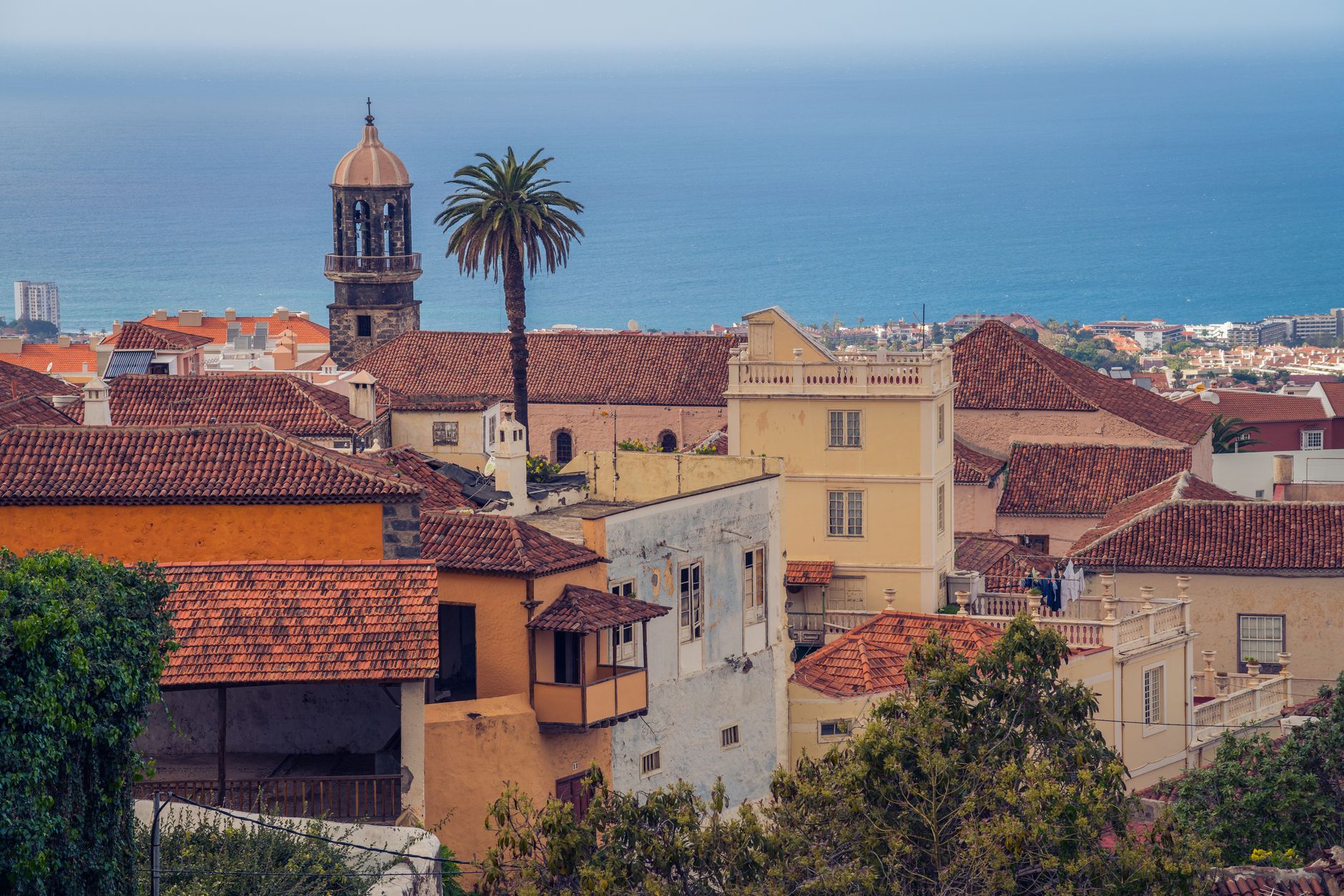
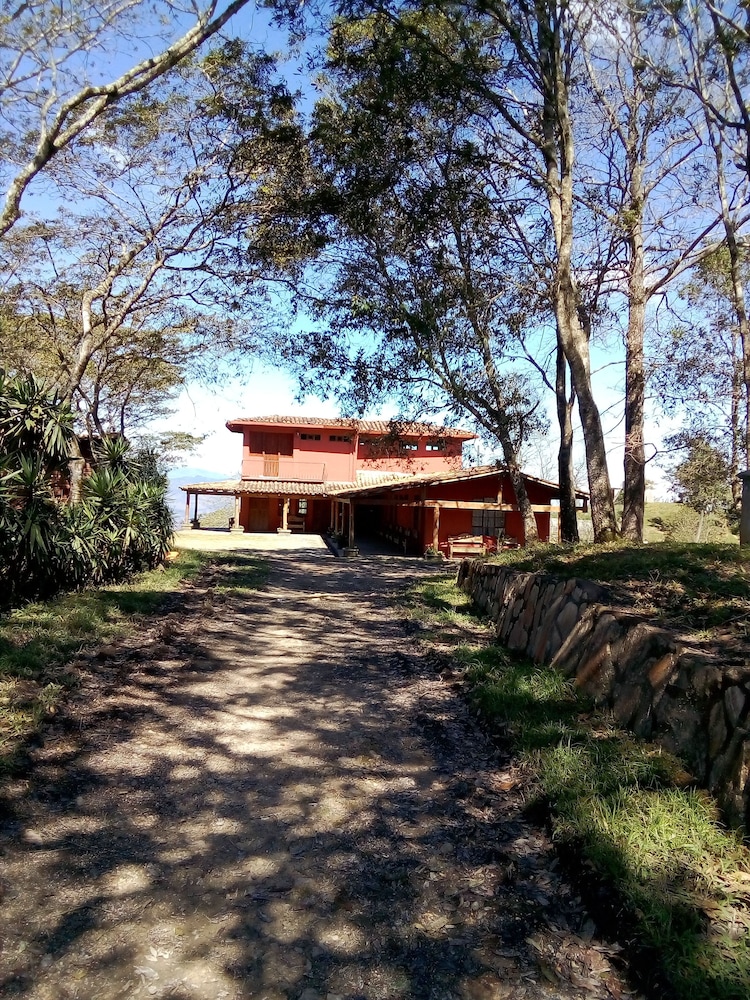
 Maize plots and a dirt lane through the rural settlement of Chinampa, La Paz
Why people stay in Chinampa
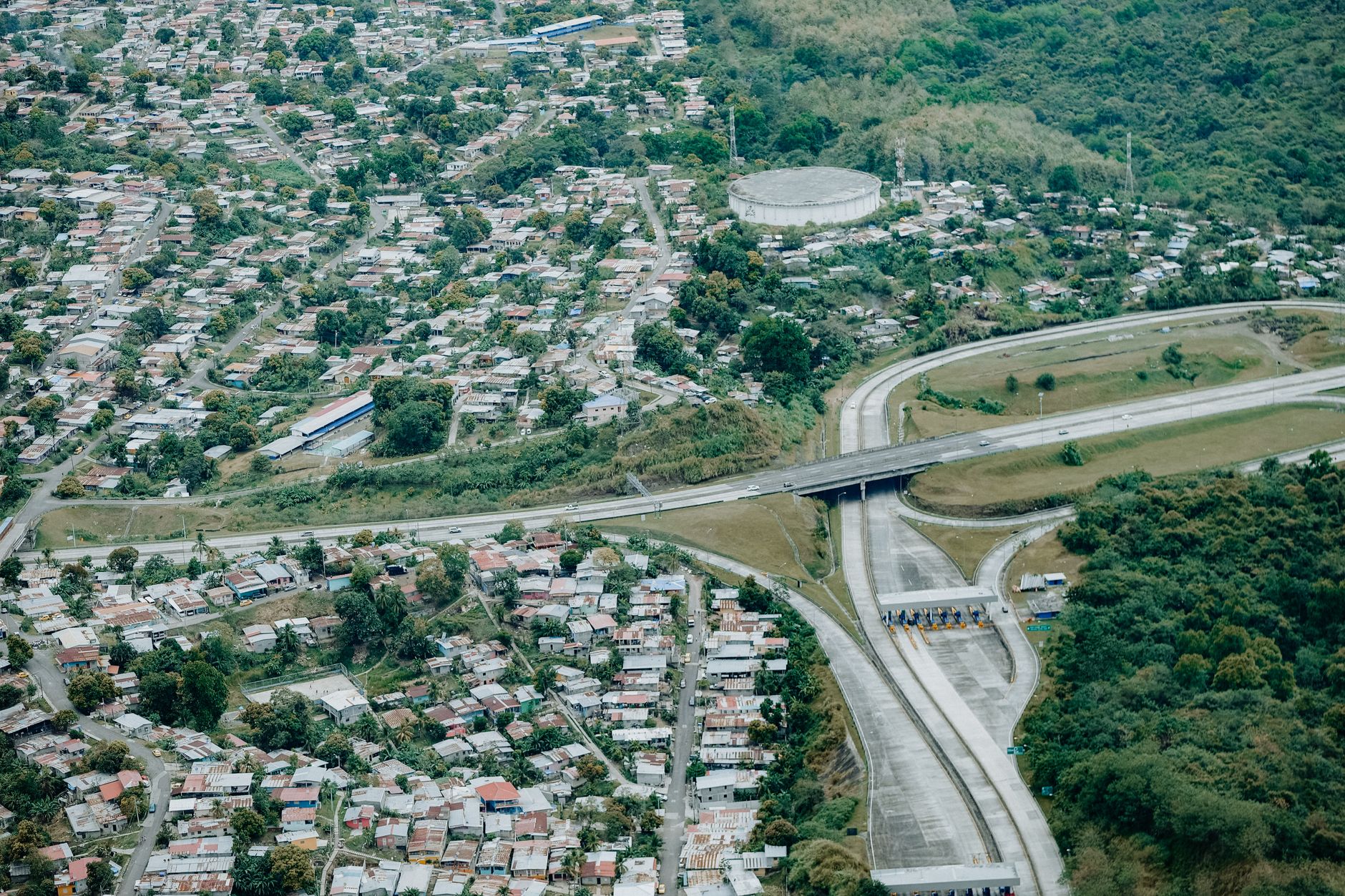
Chinampa is a small rural settlement in the valley country of La Paz, and it is the kind of place this site exists to be honest about. It is not a municipal seat, there is no plaza with a colonial church, and there is no visitor infrastructure to speak of. What there is: dirt lanes between maize and bean plots, a school, a couple of pulperías, cattle on the road at dawn, and people who will look at you with frank curiosity because outsiders here are farm buyers or nobody at all.
Practically, most travellers who end up sleeping around Chinampa are doing so because they are working — agricultural extension, church groups, teachers on placement — or because they are cycling the valley and misjudged the light. Formal rooms are one or two at best and often it is a room in a family house arranged by asking, at $15 to $25 a night with a bucket wash and a shared toilet. If that sentence makes you uneasy, base yourself in La Paz Centro or San Pedro de Tutule instead and come out here for a day.
Evenings are agricultural. Supper is early, the pulpería light goes off around 7pm, and by 9pm the loudest thing is dogs and someone's radio. There are no restaurants, no bars, no ATM, no pharmacy, and mobile signal that comes and goes depending on which side of a rise you are standing on. In the June to October rains the lanes turn to red mud that will stop a two-wheel-drive car in fifty metres. In the dry season from December they are fine, hard and dusty.
So who should come? People genuinely interested in how the valley farms — maize, beans, cattle, some vegetables — and who want to walk field lanes without seeing another traveller for two days. Anyone else is better served twenty minutes away in a town with a bank, a bus terminal and a comedor. Being clear about that is more useful than pretending Chinampa is a hidden gem with boutique rooms.
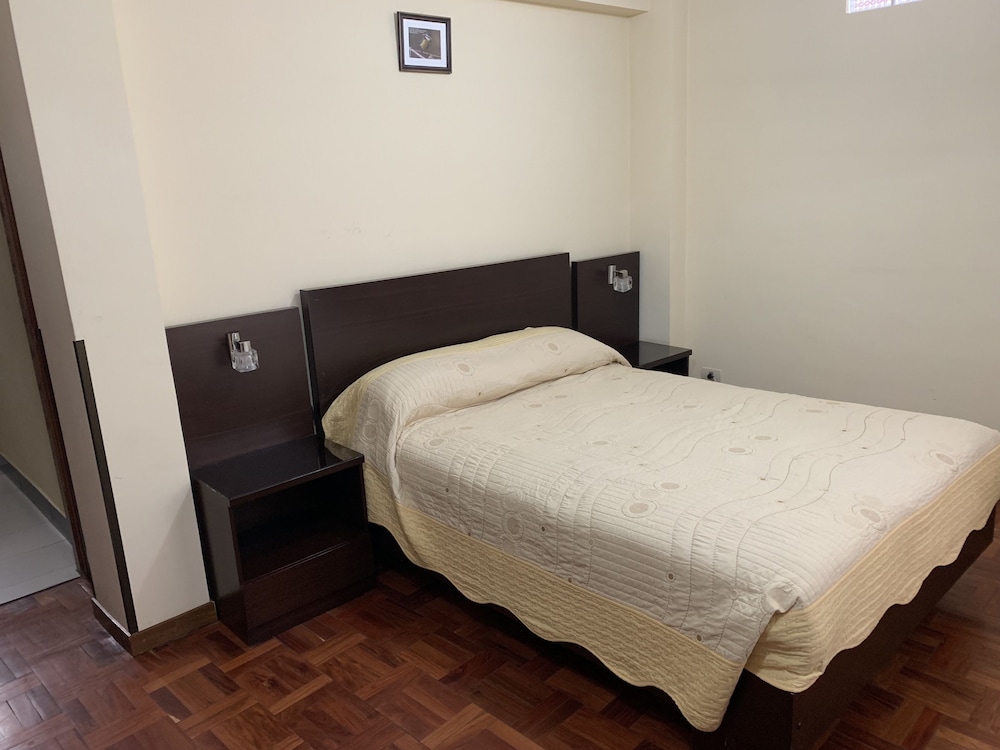
Realistically there is no hotel here in the way the word is normally used: expect one or two informal rooms, or a bed in a family house arranged on the spot for $15 to $25 a night, cash, with a shared bathroom and no hot water. If you want a private bath, a fan that works all night and somewhere to eat after dark, sleep in La Paz Centro or San Pedro de Tutule and drive or ride out — it is a short trip and it removes every logistical problem at once. If you do stay locally, choose a house on the higher ground off the main lane rather than one at the bottom near the drainage, where mosquitoes are worse in the wet months, and bring your own towel, torch and repellent. Nothing here takes cards, so arrive with small notes.
Things to do in Chinampa

Take any lane off the main track through the settlement and inside ten minutes you are between maize and bean plots with cattle being moved on the road. Between 5.30am and 7am the valley light is soft and everyone is out working; it is the best hour of the day here by a wide margin.

The village shop is the whole retail and information economy — coffee for under $1, crackers, batteries, soap. Ask what stage the maize or beans are at and you will get a genuine account of the season, and usually an invitation to look at somebody's plot.

Tutule, a short ride away on the road toward La Esperanza, has the nearest real market, comedores and shops. Go for the morning, eat a $3 comida corriente, buy anything you actually need, and be back in Chinampa for the afternoon. Transport is shared pickups; fares run about $2 to $3.
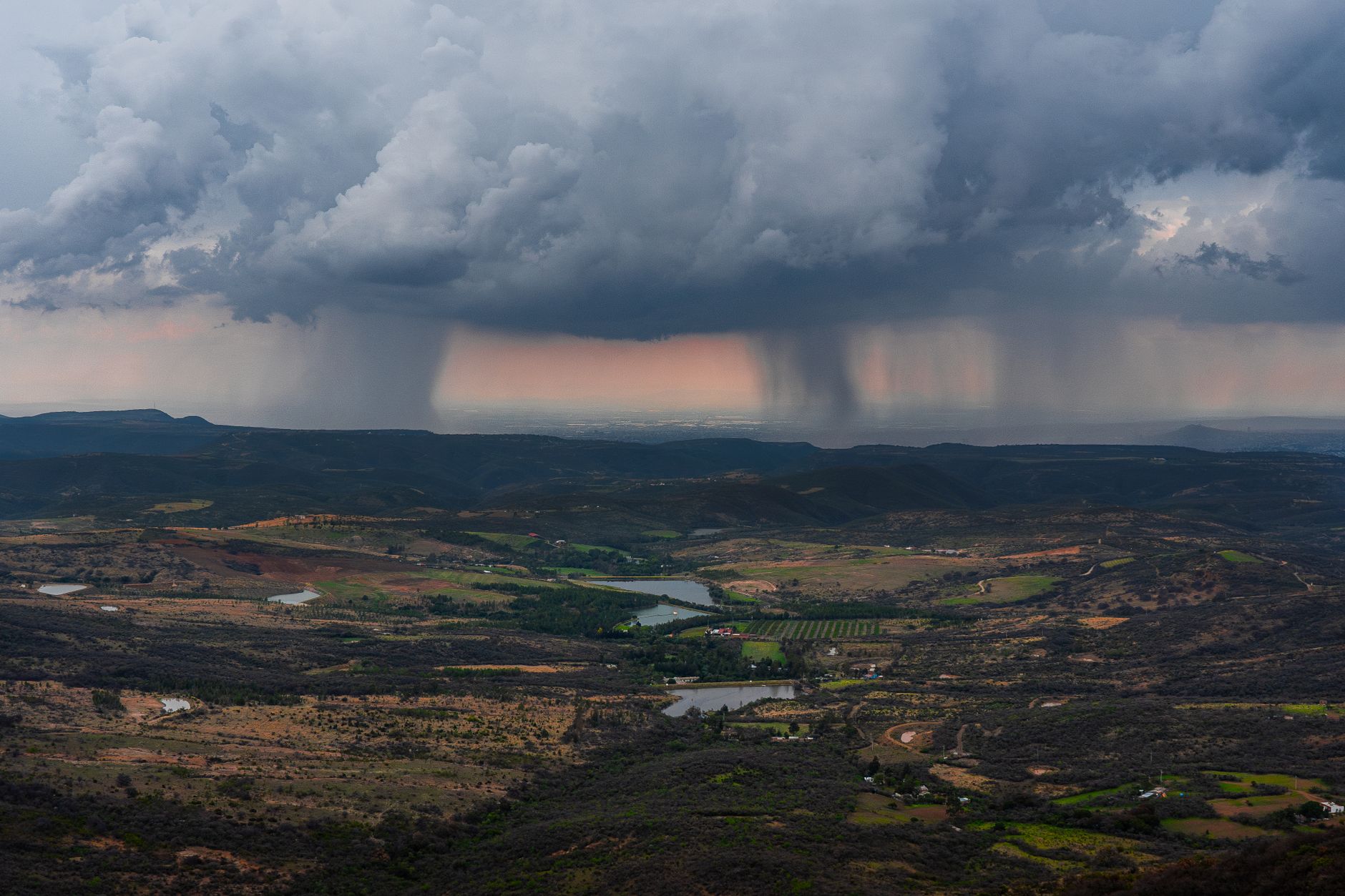
From June to September the afternoon build-up over the surrounding ridges is genuinely dramatic, visible from any of the open field edges above the settlement. Get to high ground by 3pm, watch the cloud stack up, and be under a roof by 4.30pm because the rain here arrives all at once.

Ask at a house where you have already bought or eaten and you will often be shown the comal and the cheese cloth. Fresh cuajada, warm tortillas and a cup of coffee costs $2 to $3 and is the single most honest food experience available anywhere in the department.

The lanes between Chinampa and the nearest main road are largely flat and hard-packed in the dry season, which makes for easy riding on any bike with wide tyres. Do it December to April; in the rains the same tracks are red clay and will clog a drivetrain within a kilometre.
What to see
Hotels near Chinampa
No hotels are listed in Chinampa yet. The nearest ones are on the region page.
Getting around Chinampa
Everything routes through La Paz town. From Tegucigalpa, buses from Comayagüela reach La Paz in about 1 hour 30 minutes for roughly $5; from Comayagua shared cars run frequently and cheaply. From La Paz, take transport along the road toward San Pedro de Tutule and La Esperanza and ask the driver to drop you at the turn for Chinampa — around $2 to $3 and 20 to 40 minutes depending on the service — then walk or catch a passing pickup down the lane. Inside the settlement there is nothing but walking. Driving yourself is easy in the dry season and unwise in a two-wheel-drive car once the June rains set in.
Questions about Chinampa
Not in the usual sense. There are one or two informal rooms and the option of a bed in a family house for $15 to $25 a night, cash, with a shared bathroom and no hot water. Most travellers are better off sleeping in La Paz Centro or San Pedro de Tutule and visiting for the day.
Take any bus or shared pickup out of La Paz town toward San Pedro de Tutule and La Esperanza and ask to be dropped at the Chinampa turn — roughly $2 to $3. From there it is a walk down the lane or a lift with a passing pickup. Travel in the morning; afternoon transport is thin.
Generally yes in daylight — this is farming country and people know each other. Greet everyone you pass, which is expected and useful. Avoid walking the unlit lanes after dark, carry a torch, and do not cross fenced plots without asking; those are somebody's beans, not a footpath.
Walk field lanes at dawn, talk to farmers, eat fresh tortillas and cuajada, and take a day-trip to the market at San Pedro de Tutule. That is the honest list. If you want waterfalls, caves or coffee farms, base yourself toward Marcala, Chinacla or Santa Elena instead.