Day trip to Guajiquiro from La Paz
Two hours of climbing takes you from valley heat to a Lenca town near 2,000 metres with cloud forest above it. Bring a jacket, cash and a driver, because buses run once a day if at all.
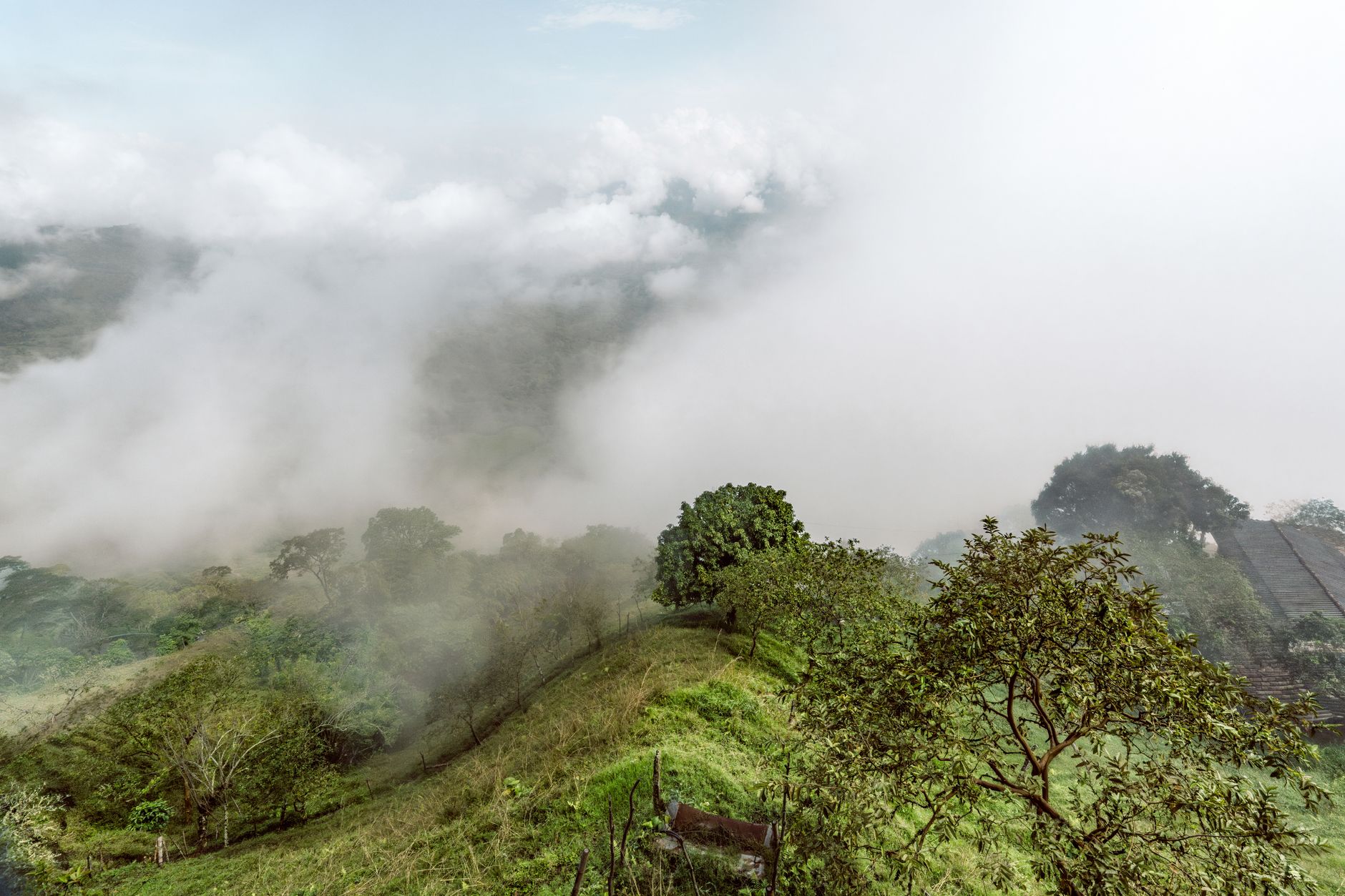 Cloud forest and highland fields above Guajiquiro in La Paz department, Honduras
Where Guajiquiro is and what you find there
Guajiquiro is a highland municipality in La Paz department, sitting around 2,000 metres in the mountains south-west of the departmental capital, roughly two hours away on a climbing road that turns to gravel in stretches. It is one of the strongholds of Lenca identity in Honduras, a working agricultural town of potato, vegetable and coffee plots rather than a heritage attraction. The reason to go is precisely that: an ordinary Honduran mountain town at an altitude where the mornings are cold, the fog sits in the valleys and the light is extraordinary.
Above the town lies protected cloud forest, part of the reserve system that covers the highest ridges of this range. Oak and pine give way to moss-hung trees, ferns and orchids, with water sources that supply communities far below. Trails exist but are informal and used by farmers, so they are best walked with someone local. Do not arrive expecting signage, visitor centres or a ticket office. Arrive expecting weather, mud, hospitality and a very different Honduras from the one at the bottom of the hill.
Getting there without wasting the day
Public transport exists but is built for residents, not visitors: buses and pickups typically leave the highland towns early in the morning for La Paz and return in the afternoon, which is the exact inverse of what a day tripper needs. That pattern makes the trip effectively impossible in one day by bus. The practical answer is a hired vehicle with a driver from La Paz at $70 to $110 for the day, ideally a pickup or something with clearance, arranged through your hotel the day before.
Leave by 7am. The road climbs steadily and conditions vary: expect paved sections, unpaved sections, and in the rainy season from June to October, mud and washouts that can make the final stretch slow or impassable in an ordinary car. Ask your driver directly whether they have driven it recently, not just whether they know the route. Fuel up in La Paz, because service stations become scarce as you climb, and get cash out before you leave; there are no ATMs up there.
What to do once you arrive
Start in the centre: the church, the small plaza and the pulperias that function as the town's information network. If your visit lands on market day, that is where the day happens, with produce from the surrounding plots, dried goods and the ordinary commerce of a mountain municipality. Eat at a comedor for $3 to $4, which will be soup, beans, tortillas, eggs or chicken, and drink coffee grown within sight of where you are sitting. Nothing is priced for tourists because tourists are not the market.
The main outdoor draw is the forest above town. Hire a local guide, usually arranged informally through the municipal office or your driver, for $15 to $30 for a half day, and walk up into cloud forest for views back across the ridges toward Marcala and Intibuca. Weather governs everything: a clear 9am can be white-out fog by 11am. Wear boots, carry a rain layer even in the dry season, and treat the walk as a highland hike rather than a stroll to a viewpoint.
Lenca culture, and how to be a decent visitor
The high municipalities of La Paz department, Guajiquiro among them alongside Opatoro, Santa Elena and Yarula, are core Lenca territory, with community structures, land practices and religious traditions that predate and outlast the colonial layer. You may encounter local governance meetings, community work parties or religious observances during your visit. These are not performances, and there is no ticketed cultural show. The respectful posture is to be a guest in a working town rather than an audience.
Practically: ask before photographing people, houses or ceremonies, and accept no as an answer. Buy from local shops and comedores rather than bringing everything in a cooler, since spending money locally is the most direct benefit your visit produces. Pay guides properly and in cash. Learn a few words of Spanish greeting. If you are travelling with a driver, make sure they also eat and are paid for waiting. None of this is complicated, and it is the difference between being welcome and being tolerated.
Pairing Guajiquiro with the rest of the highlands
If you have hired a vehicle for the day, consider combining Guajiquiro with a run through the neighbouring highland towns, which spreads the cost of the driver across more sights. The area around Opatoro, Santa Elena and Yarula, on the flank toward Marcala, is similar country: cold, high, agricultural, with churches worth a stop and views that make the switchbacks tolerable. Roads between them are slower than the map suggests, so pick two towns rather than four.
The bigger-picture alternative is to base in Marcala for a night at $20 to $40 rather than driving up and back from La Paz twice. From Marcala you are already at 1,300 metres and much closer to the high towns, and you can combine the highlands with a coffee farm or the Estanzuela valley over two days. If you only have one day and a driver, though, Guajiquiro out and back from La Paz is a genuinely rewarding use of $70 to $110.
What to bring, and who should skip it
Pack for weather two seasons ahead of the valley: a warm layer, a waterproof shell, boots with grip, and a change of socks. Bring cash in small denominations for food, guides and fuel contributions, plus snacks and water since shops are small and stock varies. Sunscreen matters more at 2,000 metres than people expect. A downloaded offline map is useful because mobile coverage is patchy, and telling your hotel where you are going is sensible on any mountain road day.
Skip this trip if anyone in your group gets badly carsick, if you need certainty of what you will see, or if you are travelling in the wettest weeks of September and October without a high-clearance vehicle. Choose it if you want the part of La Paz department that no itinerary covers: an ordinary Lenca mountain town, cloud forest, and a two-hour descent back to a $30 room in the valley where you will sleep very well indeed.
Frequently asked questions
What people ask before they set off on this one.
Realistically, with a hired vehicle and driver, at $70 to $110 for the day, ideally something with clearance. Public buses and pickups run early to La Paz and back in the afternoon, serving residents rather than day trippers, which makes a same-day return by bus impractical. Allow about two hours each way.
The town sits around 2,000 metres in the mountains of La Paz department, with cloud forest on the ridges above it. That means genuinely cold mornings, fog that arrives without warning and temperatures ten degrees or more below the valley floor. Pack a warm layer and a waterproof even in the dry season.
Options are extremely limited and informal, so do not count on finding a room on arrival. Most visitors do it as a day trip from La Paz or base themselves in Marcala at $20 to $40 a night, which is closer to the highlands and has a real choice of small hotels.
The town centre and church, the market on market days, the surrounding agricultural landscape and, above all, the cloud forest on the ridges. There is no visitor centre or signposted trail network, so hire a local guide for $15 to $30 for a half day if you want to walk in the forest.
December to April, in the dry season, when the roads are firm and the views are open. From June to October the tracks can become mud and the final approach may be impassable to ordinary vehicles. Whenever you go, mornings are clearer than afternoons, so leave La Paz by 7am.
Yes, provided you behave as a guest rather than a spectator. Ask before photographing people or ceremonies, buy food and goods locally, pay guides in cash and at a fair rate, and do not treat community events as attractions. Visitors who spend money in town and follow local lead are generally made very welcome.
Hotels in La Paz
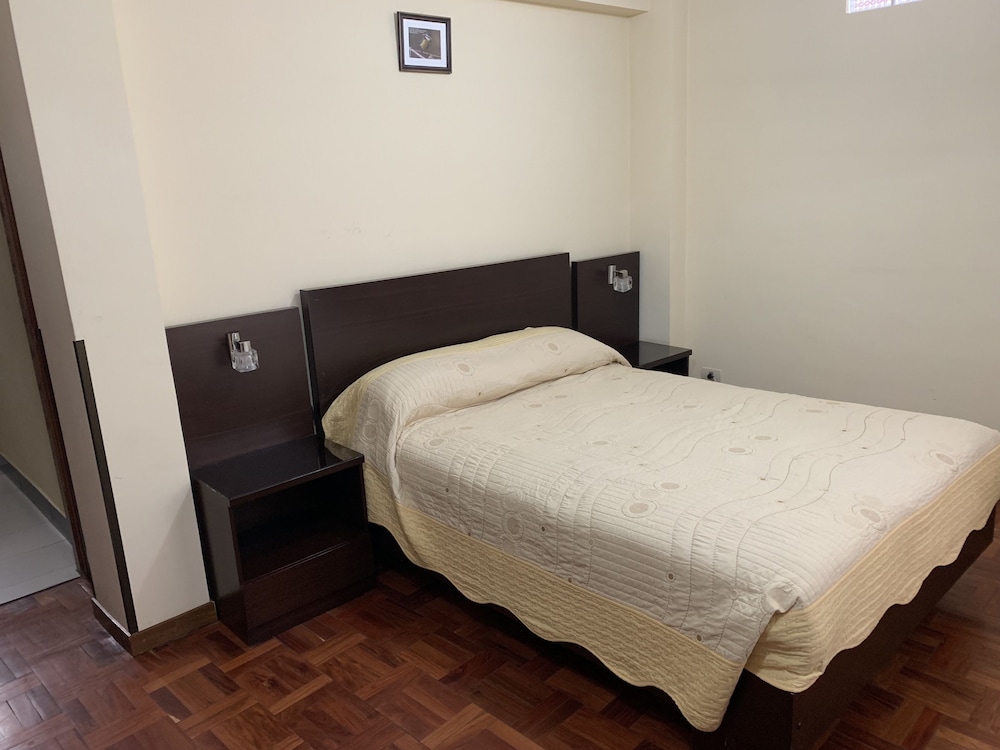
Hotels we cover across La Paz
- Hualimei Hotel 4★ · 4.3/5
- La Casona Hotel Boutique 3★ · 4.3/5
- Madero Hotel & Suites 4★ · 4.2/5
- Las Brisas 3★ · 4.2/5
- Residencial Alta Vista 3★ · 4.1/5
- Hotel Gran Aurum 2★ · 4.1/5
- Hotel Sagarnaga 3★ · 4/5
- Hotel Rey Palace 4★ · 3.9/5
- Panamerican Hotel 3★ · 3.8/5
- Casa Grande Suites 5★
- Casa Grande Express 3★
- Hotel Soliman 2★
- Nomada Hostal 2★
- The Adventure Brew Hostel 2★
- Lobo Hostel La Paz 1★
- Diesbu Hotel
- Met Hotel 5★ · 4.7/5
- Hotel Montecillos 3★ · 4.7/5
- Casa Grande Hotel 5★ · 4.6/5
- Hotel Mitru Sur 4★ · 4.6/5
- Suites Camino Real 4★ · 4.6/5
- Stannum Boutique Hotel & Spa 4★ · 4.5/5
- Hotel Rennova 3★ · 4.5/5
- Atix Hotel a Member of Design Hotels 5★ · 4.4/5
More guides to La Paz
All guides Itineraries · 8 min read
48 hours in La Paz
Itineraries · 8 min read
48 hours in La Paz
Two days is enough to see the departmental capital properly and still get one full day in the coffee mountains. Here is the hour-by-hour version, with rooms from about $22 a night.
 Itineraries · 10 min read
One week in La Paz
Itineraries · 10 min read
One week in La Paz
Seven days is the right length for this department: three bases, four day trips, and two full days that need no plan at all. Expect to spend $45 to $70 a day for two people, rooms included.
 Itineraries · 9 min read
La Paz in 3 days on a budget
Itineraries · 9 min read
La Paz in 3 days on a budget
Three days in La Paz department on $30 to $40 a day per person, rooms included. It is not deprivation travel here; it is simply what things cost.
Compare real prices across La Paz city, Marcala and the towns between them, and remove a verified tonne of CO2 with every booking.