Day trip to Lago de Yojoa from La Paz
The biggest natural lake in Honduras is two to two and a half hours north of La Paz on the CA-5. Fried tilapia costs $8 to $10, waterfall entry is a few dollars, and the bird list runs past 400 species.
 Lago de Yojoa seen from the CA-5 highway with mountains behind
The route north on the CA-5
From La Paz you rejoin the CA-5, the main Tegucigalpa to San Pedro Sula highway, and head north through Siguatepeque before dropping toward the lake. Driving time is two to two and a half hours each way in normal conditions, longer if there are works or heavy trucks on the climbs. By public transport, take a rapidito to Comayagua, then any northbound bus on the corridor toward Siguatepeque and on to the lake turn-offs, changing as needed; total fare is roughly $6 to $10 each way and total time closer to three hours.
The simpler version is a hired car and driver from La Paz at $90 to $130 for the day, which is worth it if there are two or three of you, because the lake's attractions are spread over 15 to 20 kilometres of shoreline and side roads. Leave by 6.30am. This is the longest day trip in this collection and the one where an early start makes the difference between a relaxed lunch and a rushed drive home in the dark, which nobody should do on the CA-5.
Fried tilapia and the highway food stands
The lake's signature meal is fried tilapia, served whole and crisp with tajadas of fried plantain, curtido and a wedge of lime, at the string of open-sided restaurants along the highway on the lake's eastern side. Expect $8 to $12 for a full fish, less for a smaller one, and $1.50 to $2.50 for a cold beer. Portions are large. Most places open mid-morning and are busiest from noon to 3pm on weekends, when Honduran families make the same day trip you are making.
Choose a stand with a working crowd rather than the emptiest one with the best view, since turnover is what keeps the fish fresh. Ask the price before ordering, because sizing varies and the bill is sometimes calculated by weight. Vegetarians will find beans, plantain, cheese and eggs but not much else, so plan accordingly. If you would rather eat by the water than by the road, several lakeside places off the highway serve the same dish for a dollar or two more, with a dock and a view.
Pulhapanzak waterfall
The single most photographed sight in the area is Pulhapanzak, a 43-metre waterfall on the Rio Lindo near Pena Blanca, north of the lake. Entry is a few dollars, and the park has stairs and viewpoints down to the base as well as picnic areas. The main attraction beyond the view is the guided scramble behind and under the falls, run by local guides for an additional fee of roughly $10 to $20 per person; it is wet, loud, genuinely exhilarating and not appropriate for weak swimmers or anyone with a camera they care about.
There is also a zipline over the gorge for a similar price. Go in the morning to beat the coach groups and the afternoon glare, and be honest about conditions: after heavy rain the flow is huge and the behind-the-falls trip may be closed. Wear shoes you can lose, keep valuables in the car, and bring cash for tickets and guide tips. From the eastern lakeshore restaurants, allow 30 to 45 minutes of driving to reach the falls.
Birds, boats and Los Naranjos
Lago de Yojoa is one of the best birding sites in Central America, with a regional list running well past 400 species across the lake, the marshes and the surrounding cloud forest of the Santa Barbara and Cerro Azul Meambar national parks. Early morning is everything: guided boat trips onto the lake and through the reed beds run $15 to $30 per boat depending on length and where you arrange them, and local guides can be hired at similar rates. Bring binoculars; nothing on the lake is close enough without them.
On the northern shore, the Los Naranjos eco-archaeological park protects a Lenca-era settlement with boardwalks through wetland forest, a small interpretation area and an entry fee of a few dollars. It is a good, easy hour, especially if the waterfall queues are long. The Los Naranjos area is also where the region's craft brewery and its restaurant sit, a long-standing traveller hub where you can eat, get information and, if the day has slipped, decide to stay the night after all.
Doing it in one day, or not
A realistic one-day plan from La Paz: leave 6.30am, reach the lake by 9am, do Pulhapanzak between 9.30 and 11.30, eat tilapia at 12.30, take a boat or walk Los Naranjos at 2.30, and start home by 4pm to be back in La Paz before dark. That is four to five hours of driving for six hours on the ground, which works but leaves no room for a puncture or a road closure. Cost with a driver is roughly $60 to $90 per person for two people.
The alternative is to accept that Yojoa deserves a night. Guesthouses and lodges around the lake run $20 to $50, comparable to what you pay in La Paz, and staying puts you on the water at dawn when the birding is actually good. If you are on a one-week itinerary in the department, the cleaner plan is to use La Paz as your base for Comayagua and Marcala, and treat Yojoa as an overnight bookend on the way to or from San Pedro Sula.
Practicalities and what to bring
Bring cash in small notes for entry fees, boats, guides and food, since card acceptance around the lake is patchy and the ATMs are in Siguatepeque and Pena Blanca rather than at the attractions. Pack a swimsuit, a towel, water shoes, insect repellent for the marsh edges, sunscreen and a dry bag or plastic bag for phones if you are doing the behind-the-falls trip. Mornings can be cool in the highlands on the drive up and hot at the lake by noon, so layer.
Rain matters here more than in the valley. From June to October, afternoon downpours are routine and the waterfall runs high, which is spectacular to look at and restricts what guides will let you do. Do not drive the CA-5 after dark if you can avoid it: lighting is minimal, trucks are constant and animals wander onto the road. And keep in mind that a La Paz room at $25 to $45 is your fallback if the day runs long and you would rather push home slowly the next morning.
Frequently asked questions
What people ask before they set off on this one.
Roughly two to two and a half hours north via the CA-5 through Siguatepeque, or closer to three hours using rapiditos and public buses with a change in Comayagua. A hired car and driver for the day costs $90 to $130 and is the most practical option because the sights are spread out.
General entry is a few dollars per person. The guided trip behind and under the falls costs an extra $10 to $20 per person, and the zipline is similar. Bring cash, since card facilities are unreliable, and expect the behind-the-falls option to close when the river is running high.
The specialty is whole fried tilapia with fried plantain, curtido and lime, sold at open-sided restaurants along the highway and at lakeside spots. A full fish runs $8 to $12 and a beer $1.50 to $2.50. Portions are large and the busiest stands generally have the freshest fish.
It is realistic if you leave La Paz by 6.30am and start home by 4pm, giving you around six hours at the lake. Staying over at a $20 to $50 lodge is better if birding matters to you, because the lake is best at dawn and the drive home in the dark is worth avoiding.
You can see plenty from the shore and the Los Naranjos boardwalks on your own, but a boat trip through the reed beds at $15 to $30 with a local guide is what produces the species list. Go at first light, bring binoculars, and arrange the boat the day before if possible.
It is the country's main highway and heavily used, but it is a two-lane road with steep climbs, slow trucks and limited lighting. Drive it in daylight, keep your speed sensible on the descents, avoid overtaking on blind curves, and do not plan a return leg that lands after dark.
Hotels in La Paz
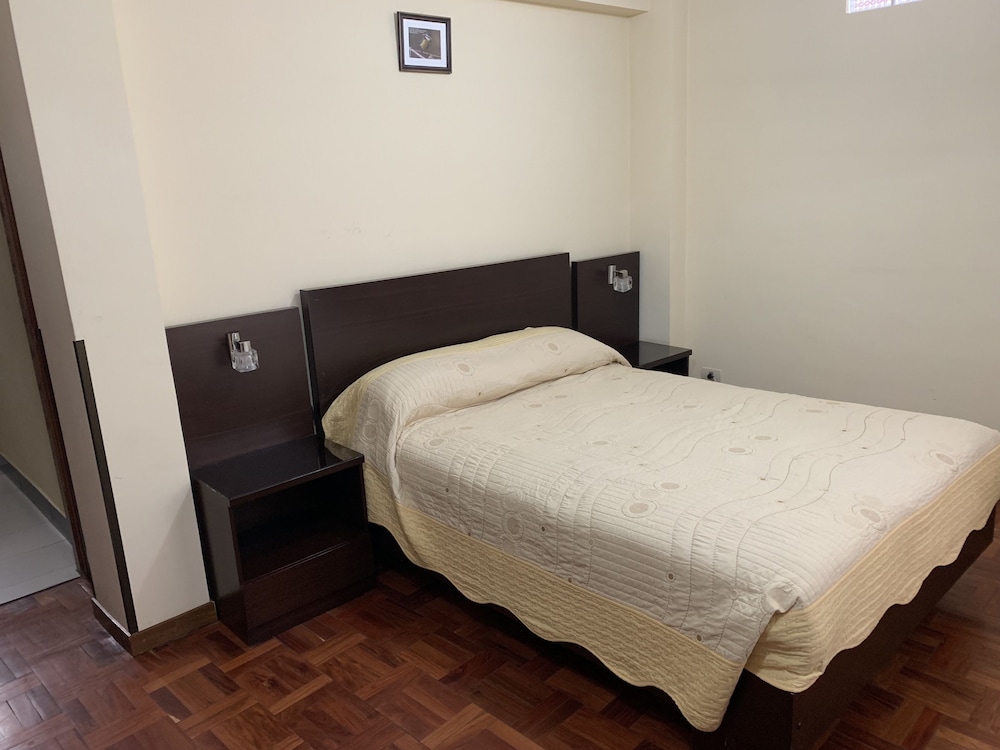
Hotels we cover across La Paz
- Suites Camino Real 4★ · 4.6/5
- Stannum Boutique Hotel & Spa 4★ · 4.5/5
- Hotel Rennova 3★ · 4.5/5
- Atix Hotel a Member of Design Hotels 5★ · 4.4/5
- Ritz Apart Hotel 4★ · 4.4/5
- Hotel Presidente 5★ · 4.3/5
- Casa Fusion Hotel Boutique 4★ · 4.3/5
- Hualimei Hotel 4★ · 4.3/5
- La Casona Hotel Boutique 3★ · 4.3/5
- Madero Hotel & Suites 4★ · 4.2/5
- Las Brisas 3★ · 4.2/5
- Residencial Alta Vista 3★ · 4.1/5
- Hotel Gran Aurum 2★ · 4.1/5
- Hotel Sagarnaga 3★ · 4/5
- Hotel Rey Palace 4★ · 3.9/5
- Panamerican Hotel 3★ · 3.8/5
- Casa Grande Suites 5★
- Casa Grande Express 3★
- Hotel Soliman 2★
- Nomada Hostal 2★
- The Adventure Brew Hostel 2★
- Lobo Hostel La Paz 1★
- Diesbu Hotel
- Met Hotel 5★ · 4.7/5
More guides to La Paz
All guides Itineraries · 8 min read
48 hours in La Paz
Itineraries · 8 min read
48 hours in La Paz
Two days is enough to see the departmental capital properly and still get one full day in the coffee mountains. Here is the hour-by-hour version, with rooms from about $22 a night.
 Itineraries · 10 min read
One week in La Paz
Itineraries · 10 min read
One week in La Paz
Seven days is the right length for this department: three bases, four day trips, and two full days that need no plan at all. Expect to spend $45 to $70 a day for two people, rooms included.
 Itineraries · 9 min read
La Paz in 3 days on a budget
Itineraries · 9 min read
La Paz in 3 days on a budget
Three days in La Paz department on $30 to $40 a day per person, rooms included. It is not deprivation travel here; it is simply what things cost.
Compare real prices across La Paz city, Marcala and the towns between them, and remove a verified tonne of CO2 with every booking.