Safety and street smarts in La Paz
La Paz department is one of the calmer corners of Honduras, and most trouble here is traffic, water and bad timing rather than crime. Nine practical habits, plus what a $0.60 mototaxi ride buys you after dark.
 Quiet evening street with lit pulpería in La Paz, Honduras
The realistic risk picture
Honduras carries a hard reputation earned mostly in large cities and specific neighbourhoods, and travellers who assume that reputation applies uniformly end up either terrified or careless. La Paz department is small-town and agricultural, with a departmental capital where the same faces reappear in the same three blocks all week and a highland coffee town where visitors are noticed but not targeted. Petty theft, opportunistic bag-snatching around markets and bus drop points, and overcharging are the day-to-day realities. Violent incidents involving foreign visitors here are not the common story.
That is not an invitation to switch off. The behaviours that keep you safe are unglamorous: move in daylight, do not display valuables, take transport instead of walking unfamiliar streets at night, and keep your plans vague with strangers who ask a lot of questions. Register nothing on the street that you would not want to lose, meaning no phone in hand while walking, no camera slung on the outside of a bag near a crowd, and no laptop visible through a car window. In a place this quiet, the small stuff is the whole game.
Night-time and the mototaxi rule
Both La Paz city and Marcala go quiet early. By 8pm the commercial blocks are shutters and pulpería lights, and by 9.30pm the streets outside the central park are essentially empty. Nothing sinister happens automatically at that hour, but empty streets, missing sidewalks, unlit stretches and dogs make walking a poor choice. The fix costs $0.50 to $1: take a mototaxi, even for six blocks, from wherever you have eaten back to your hotel. Ask the restaurant to call one if the rank has cleared out.
Two related habits. First, confirm your hotel's gate hours at check-in, because many small guesthouses lock up between 9pm and 10pm and getting in afterwards depends on someone hearing you knock; get a phone number for reception. Second, if you drink, drink where you sleep or within one short ride of it, and do not accept a lift from a new acquaintance. The bars that stay open latest in these towns are not dangerous places but they are not places to be the only stranger walking home from either.
Buses, pickups and the mountain road
Road safety is the biggest genuine hazard in this department, not crime. The highland road between La Paz city and Marcala is a two-and-a-half-hour sequence of curves shared with cargo trucks, motorbikes carrying three people, livestock and pickups riding low under coffee sacks. Travel it in daylight, and if you are driving, allow two hours and resist overtaking on blind bends. Morning fog on the higher stretches and post-rain landslides are both routine between May and October; ask locally before setting off and accept a cancelled day rather than a stupid one.
On buses, keep your bag on your lap or between your feet rather than overhead or in the aisle, sit forward rather than at the very back, and keep valuables in an inside pocket. Board at the origin point where possible rather than flagging a bus mid-route in the dark. Riding in the bed of a pickup is normal and often the only option to outlying communities; hold on, sit low, and skip it if the driver has clearly been drinking. Night intercity travel is the one thing I would rule out flatly.
Water, weather and the outdoors
Cascada La Estanzuela and the streams around the Estanzuela area are beautiful and occasionally lethal, for the same reason waterfalls everywhere are: water level changes faster than you do. Do not enter pools, narrows or river crossings during or immediately after heavy rain, even if the rain fell an hour ago and uphill. Go in the morning, when storms are least likely, and leave when the sky changes rather than when you get wet. Wet rock at a waterfall lip is the most common way people get hurt in places like this.
For any highland walking, wear real shoes, carry more water than you think you need, and tell your hotel where you are going and when you expect to be back. Cueva del Gigante requires a local guide and local permission, and that requirement exists for site protection and your safety both, so do not freelance it. In the rainy season, unpaved access tracks turn slick enough that drivers will refuse them, which is a judgement to respect rather than argue with. Mobile coverage in the mountains is patchy, so do not plan around it.
Health, water and heat
Drink bottled or filtered water, which every pulpería sells for about $0.50 to $1, and use it for teeth as well. Street and market food is generally fine if it is hot, freshly cooked and busy; the things to be cautious about are room-temperature sauces, unrefrigerated dairy and cut fruit that has been sitting. La Paz city gets genuinely hot from March to April, so schedule walking before 10.30am and after 4pm and carry water and a hat. Marcala's altitude means cool nights and strong midday sun at the same time.
Mosquitoes matter in the lowlands, where dengue is present in Honduras; use repellent in the late afternoon and evening and pick a room with screens or a working fan. Pharmacies in both towns handle basics competently and are cheap, with a consultation-style chat at the counter costing nothing and common medications a few dollars. For anything serious, Comayagua and Tegucigalpa have the real hospitals, so know that your evacuation route from Marcala is a two-and-a-half-hour drive and factor that into travel insurance.
Practical precautions and who to call
Carry a photocopy or phone photo of your passport for hotel check-in and highway checkpoints, and leave the original in your room or a locked bag. Split your cash and cards between two places. Use a cheap secondary phone if you are nervous, or at minimum keep your main one out of sight in transit. At police checkpoints, which are routine on the highways, slow down, be polite, hand over documents and do not argue; they are looking at vehicles and cargo, not tourists.
For emergencies, 911 is the national number in Honduras and works for police, fire and ambulance. Save your hotel's WhatsApp number, because in practice your host is the fastest route to a doctor, a reliable driver or a translator. If something is stolen and you need a report for insurance, expect the process to take a couple of hours and to require patience and a photocopy of everything. Overwhelmingly, though, the safety story here is small and boring: watch the road, watch the water, and take the mototaxi.
Frequently asked questions
What people ask before they set off on this one.
By Honduran standards it is one of the quieter departments, being small-town and agricultural rather than urban. The realistic risks are petty theft around markets and bus drop points, overcharging on unmetered transport, and road accidents. Move in daylight, keep valuables out of sight, and take a mototaxi rather than walking after dark. Violent incidents involving foreign visitors are not the common pattern here.
Both La Paz city and Marcala empty out by around 9pm, and the issue is unlit streets, missing sidewalks and dogs as much as anything else. Spend the $0.50 to $1 on a mototaxi from dinner back to your hotel instead. Confirm your guesthouse gate hours at check-in and save reception's phone number. If you go out drinking, stay within one short ride of your bed.
It is a winding paved highland road with constant curves, heavy trucks and motorbikes, and it demands daylight and patience rather than being inherently unsafe. Allow two hours driving, two and a half by bus, and do not overtake on blind bends. Morning fog and rainy-season landslides are routine from May to October, so ask locally about conditions before you set off. Avoid it after dark.
Only in settled dry weather, and never during or right after heavy rain, including rain that fell uphill an hour earlier. Water levels in these highland streams rise fast. Go in the morning when storms are least likely, wear shoes with grip because wet rock at the lip is the real hazard, and leave when the sky changes. Tell your hotel where you are going.
No. Buy bottled or filtered water, which costs about $0.50 to $1 at any pulpería, and use it for brushing your teeth too. Hot, freshly cooked food from busy stalls and comedores is generally fine; be wary of room-temperature sauces, unrefrigerated dairy and pre-cut fruit. Use mosquito repellent in the lowland evenings, since dengue is present in Honduras.
Dial 911 for police, fire and ambulance nationally. In practice, message your hotel first as well, because your host is the fastest route to a doctor, a trustworthy driver or someone who can translate. Serious hospital care means Comayagua or Tegucigalpa, which is a two-and-a-half-hour drive from Marcala. Factor that distance into your travel insurance decisions.
Hotels in La Paz
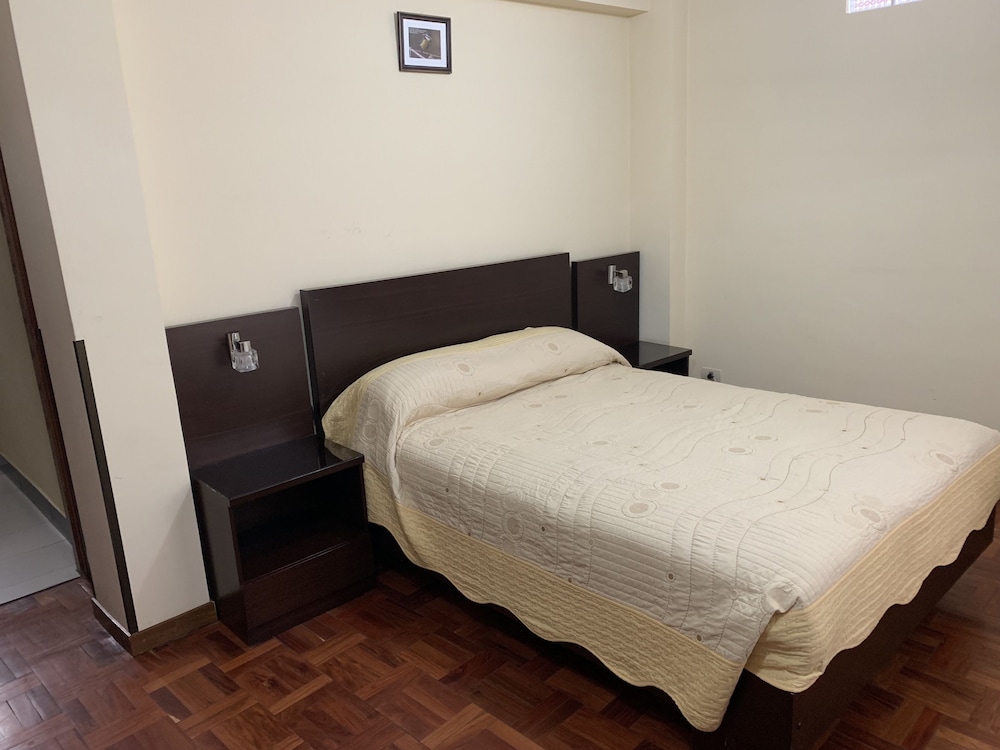
Hotels we cover across La Paz
- Hotel Rennova 3★ · 4.5/5
- Atix Hotel a Member of Design Hotels 5★ · 4.4/5
- Ritz Apart Hotel 4★ · 4.4/5
- Hotel Presidente 5★ · 4.3/5
- Casa Fusion Hotel Boutique 4★ · 4.3/5
- Hualimei Hotel 4★ · 4.3/5
- La Casona Hotel Boutique 3★ · 4.3/5
- Madero Hotel & Suites 4★ · 4.2/5
- Las Brisas 3★ · 4.2/5
- Residencial Alta Vista 3★ · 4.1/5
- Hotel Gran Aurum 2★ · 4.1/5
- Hotel Sagarnaga 3★ · 4/5
- Hotel Rey Palace 4★ · 3.9/5
- Panamerican Hotel 3★ · 3.8/5
- Casa Grande Suites 5★
- Casa Grande Express 3★
- Hotel Soliman 2★
- Nomada Hostal 2★
- The Adventure Brew Hostel 2★
- Lobo Hostel La Paz 1★
- Diesbu Hotel
- Met Hotel 5★ · 4.7/5
- Hotel Montecillos 3★ · 4.7/5
- Casa Grande Hotel 5★ · 4.6/5
More guides to La Paz
All guides Itineraries · 8 min read
48 hours in La Paz
Itineraries · 8 min read
48 hours in La Paz
Two days is enough to see the departmental capital properly and still get one full day in the coffee mountains. Here is the hour-by-hour version, with rooms from about $22 a night.
 Itineraries · 10 min read
One week in La Paz
Itineraries · 10 min read
One week in La Paz
Seven days is the right length for this department: three bases, four day trips, and two full days that need no plan at all. Expect to spend $45 to $70 a day for two people, rooms included.
 Itineraries · 9 min read
La Paz in 3 days on a budget
Itineraries · 9 min read
La Paz in 3 days on a budget
Three days in La Paz department on $30 to $40 a day per person, rooms included. It is not deprivation travel here; it is simply what things cost.
Compare real prices across La Paz city, Marcala and the towns between them, and remove a verified tonne of CO2 with every booking.