When to visit La Paz
The dry months from November to April are the safe bet, and coffee harvest overlaps them from late November to February. Here is what each season actually costs you in rain, heat and hotel prices under $50.
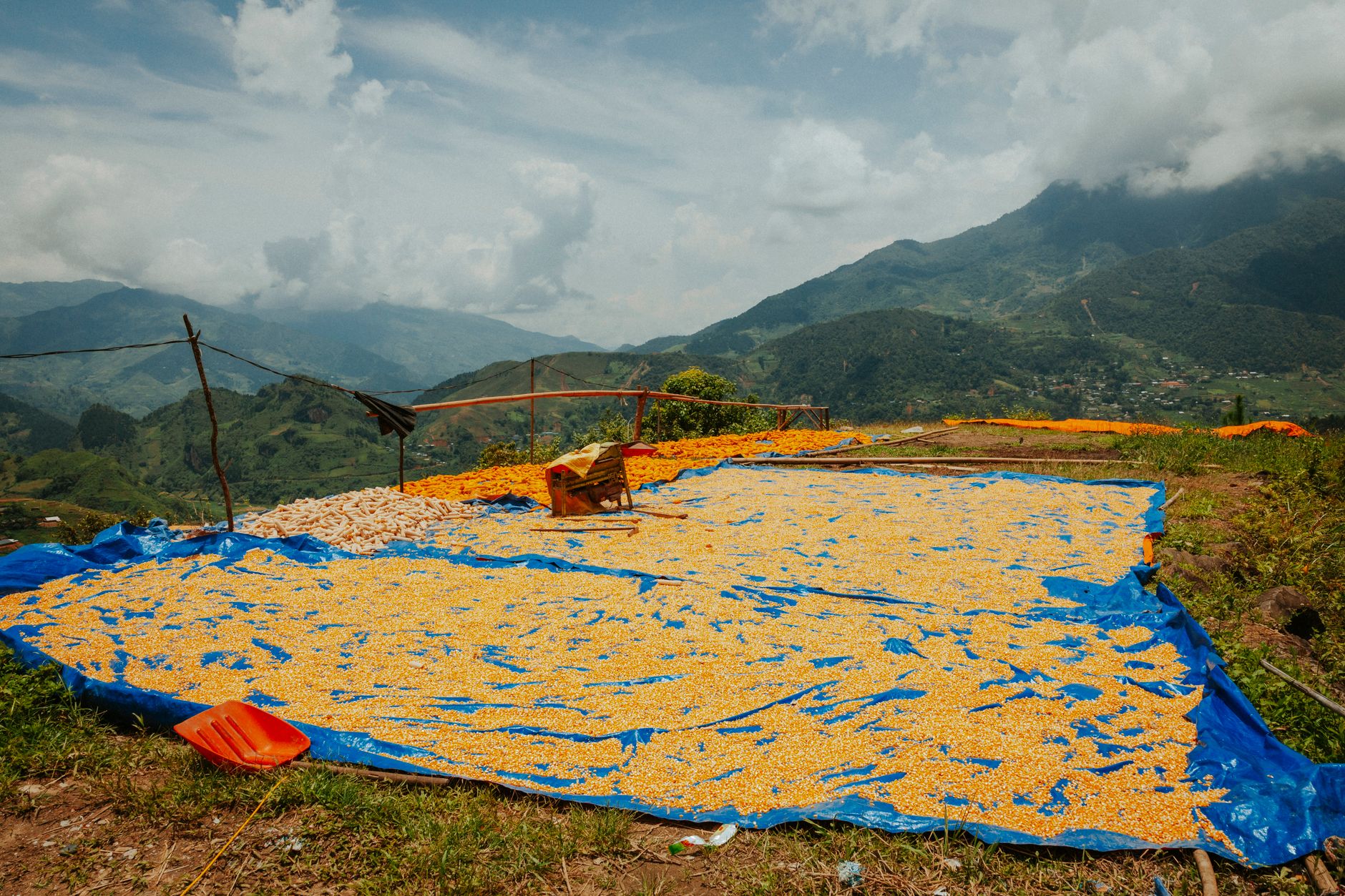 Coffee drying patios under dry-season sun in the highlands of La Paz, Honduras
Two climates in one department
La Paz department packs a warm valley and a cool mountain range into a two-and-a-half-hour bus ride. The departmental capital sits low in the Comayagua valley foothills, where afternoons in March and April climb into the mid thirties Celsius and a fan-only room stops being charming. Marcala, southwest and up at roughly 1,300 metres, runs perhaps eight to ten degrees cooler, with mornings that need a fleece from November through February. Pack for both: a shirt you can sweat through in the capital and one warm layer plus long trousers for coffee country and any dawn start.
This split changes what you should plan when. Cave and waterfall days around Marcala are far better in the dry season, when the highland tracks are firm and the light is clean. Market mornings, church-front loitering and cheap-eats crawls in the capital work year round, but you will want them before 11am from March onward. If you only have a weekend and it is April, base yourself in the highlands and treat the valley as a transit stop rather than an afternoon walking destination.
Dry season, November to April: the default answer
November through April is when the region shows its best face. Roads to the Estanzuela area hold up, the tracks toward Cueva del Gigante are passable, coffee patios are full, and you can plan a day outdoors without watching the sky. Skies are typically clear in the mornings with haze building later, and dust becomes the main nuisance by March. Hotel rates barely move with season here, which is one of the pleasures of this department: $25 buys much the same room in February as in September.
The one caveat is agricultural smoke. From roughly February into April, land clearing and burning across central Honduras can put a grey wash over valley views and irritate sensitive lungs. It rarely ruins a trip, but if you are coming specifically for long mountain sightlines, aim for late November through January instead. That window also gives you cool Marcala nights, active coffee mills, and a Christmas and New Year period when small towns are at their most sociable, provided you book a room in advance.
Coffee harvest, late November to February
If coffee is your reason for coming, this is the season. Marcala and the surrounding municipalities of the Café Marcala denomination of origin move into full harvest, pickers arrive from other departments, and co-ops such as COMSA and RAOS are at their busiest with wet mills running and drying beds loaded. You will see cherries spread on patios all along the road, smell fermentation tanks in the mornings, and be able to buy freshly milled beans at co-op storefronts for roughly $6 to $12 a pound depending on grade and process.
Plan around the work rather than expecting it to pause for you. Farm visits and cupping sessions are possible but need arranging a day or two ahead, often through your hotel, and mornings are the only realistic slot. Rooms in Marcala tighten, particularly the $30 to $40 band, because buyers and technicians book blocks of them. Bring a warm layer for 5.30am departures and cash, since farms and co-op shops rarely take cards. The reward is the region at maximum energy, and it is the only time of year the whole department smells faintly of coffee.
Green season, May to October: cheaper, wetter, greener
The rains arrive in May and run to October, usually as a heavy afternoon or evening downpour rather than all-day drizzle. Mornings are frequently clear and the countryside turns emphatically green. Waterfalls, including Cascada La Estanzuela, carry far more water and photograph better, and coffee fincas are in flower and fruit rather than harvest. Hotel prices hold steady, so the real saving is on crowds rather than cash: you can walk into any $25 room in Marcala midweek and have your choice.
The costs are real too. Unpaved access roads in the highlands turn slick, mototaxi and pickup drivers may refuse certain tracks, and rivers can rise fast enough to make crossings stupid. Late September and October are the highest-risk weeks for storm systems and landslides on mountain roads. If you travel then, keep one flexible day in the itinerary, start every excursion early, and never plan to be at a waterfall or in a canyon during a downpour. Take a small umbrella rather than a rain jacket, which is what locals do in the heat.
Holidays that change everything
Semana Santa, the week before Easter in March or April, is the biggest domestic travel week of the year. Comayagua nearby is famous for its Holy Week sawdust carpets and processions, which means hotels across the valley including La Paz city sell out and rates firm up. Buses run packed, many businesses close from Thursday to Sunday, and banks shut. It is a wonderful time to be here if you have a bed reserved weeks ahead and a relaxed attitude to eating whatever the one open comedor is serving.
The other dates worth knowing: 15 September independence celebrations bring school parades that shut central streets in both La Paz city and Marcala; Christmas through 2 January empties offices and fills family homes, with the 24th and 31st effectively closing everything by mid-afternoon; and each town's patron-saint fair adds a week of food stalls, rides and late music. Ask your hotel about the local fair dates when you book, because the noise and the fun are both concentrated within a few blocks of the central park.
Month-by-month quick read
November to January is the sweet spot: dry roads, cool highland nights, harvest underway, clear mornings. February and March stay dry and get hotter in the valley, with smoke haze building; still excellent for caves and coffee, less so for panoramas. April is the hottest month in La Paz city and the driest overall, best spent based in Marcala. May brings first rains and dramatic skies with the countryside greening within two weeks. June and July are wet but workable, often with a drier spell mid-summer that locals call the canícula.
August is green and warm with reliable afternoon storms. September and October are the wettest and the only months I would actively avoid for mountain excursions, though the waterfalls are at their most impressive if you get a clear morning. Whatever the month, the room budget stays flat at $18 to $32 in the capital and $20 to $40 in Marcala, so seasonality here is about mud, light and water volume rather than price. Choose accordingly and start early every single day.
Frequently asked questions
What people ask before they set off on this one.
December and January are the strongest all-round choice: dry roads, coffee harvest in full swing around Marcala, cool highland nights and clear mornings. Late November is nearly as good and slightly quieter. February and March are fine for caves and coffee but hazier in the valley from agricultural burning. Book Marcala rooms ahead in any harvest month.
May to October rain usually falls as a heavy afternoon or evening burst rather than all day, so mornings are often usable. September and October are the wettest and the riskiest for mountain roads and landslides. If you travel then, do excursions before noon and keep a spare buffer day. Waterfalls are far more powerful in these months.
Yes, if you care about coffee. From late November to February the wet mills run, drying patios are loaded, and co-op shops in Marcala sell fresh beans at roughly $6 to $12 a pound. Farm visits and cuppings need arranging a day or two ahead, usually through your hotel, and happen in the morning. Expect Marcala hotels to be busier than any other time of year.
At around 1,300 metres, nights from November to February can drop toward the low teens Celsius, which feels genuinely cold in a room without heating. Bring one warm layer and ask your hotel for hot water and an extra blanket. Days are pleasantly mild, usually low to mid twenties, which is exactly why the coffee is good here.
Only if you have not booked. Holy Week fills every hotel in the Comayagua valley, including La Paz city, because of the famous processions and sawdust carpets in nearby Comayagua. Banks and many restaurants close from Thursday to Sunday, and buses run full. With a reservation and cash in hand, it is one of the most memorable weeks of the year to be here.
Hotels in La Paz
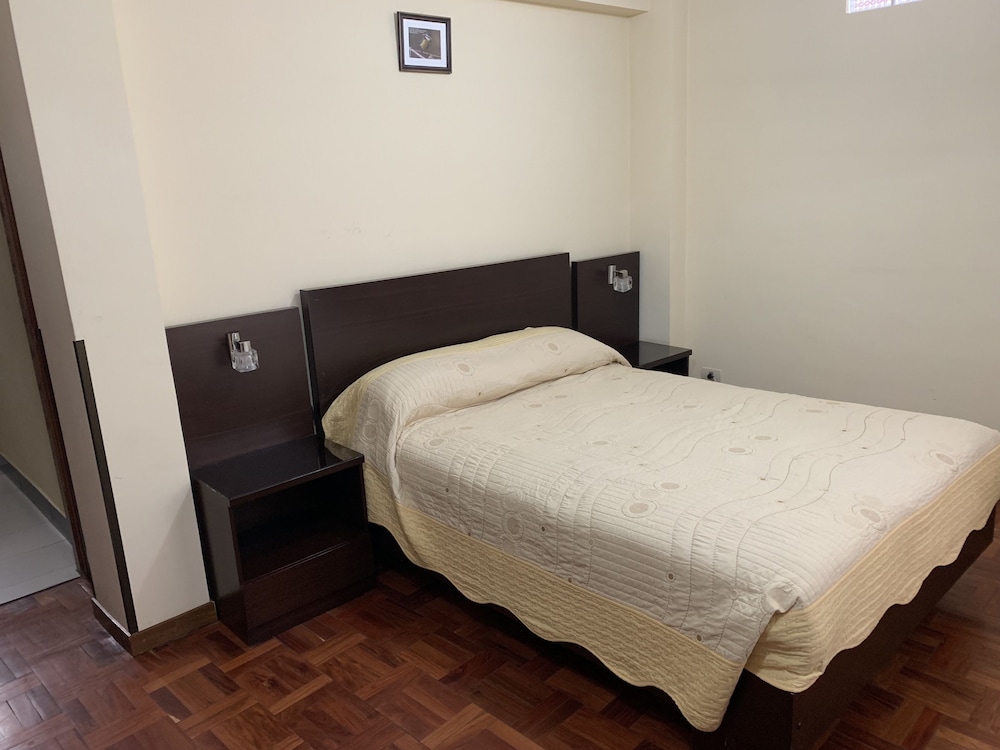
Hotels we cover across La Paz
- Stannum Boutique Hotel & Spa 4★ · 4.5/5
- Hotel Rennova 3★ · 4.5/5
- Atix Hotel a Member of Design Hotels 5★ · 4.4/5
- Ritz Apart Hotel 4★ · 4.4/5
- Hotel Presidente 5★ · 4.3/5
- Casa Fusion Hotel Boutique 4★ · 4.3/5
- Hualimei Hotel 4★ · 4.3/5
- La Casona Hotel Boutique 3★ · 4.3/5
- Madero Hotel & Suites 4★ · 4.2/5
- Las Brisas 3★ · 4.2/5
- Residencial Alta Vista 3★ · 4.1/5
- Hotel Gran Aurum 2★ · 4.1/5
- Hotel Sagarnaga 3★ · 4/5
- Hotel Rey Palace 4★ · 3.9/5
- Panamerican Hotel 3★ · 3.8/5
- Casa Grande Suites 5★
- Casa Grande Express 3★
- Hotel Soliman 2★
- Nomada Hostal 2★
- The Adventure Brew Hostel 2★
- Lobo Hostel La Paz 1★
- Diesbu Hotel
- Met Hotel 5★ · 4.7/5
- Hotel Montecillos 3★ · 4.7/5
More guides to La Paz
All guides Itineraries · 8 min read
48 hours in La Paz
Itineraries · 8 min read
48 hours in La Paz
Two days is enough to see the departmental capital properly and still get one full day in the coffee mountains. Here is the hour-by-hour version, with rooms from about $22 a night.
 Itineraries · 10 min read
One week in La Paz
Itineraries · 10 min read
One week in La Paz
Seven days is the right length for this department: three bases, four day trips, and two full days that need no plan at all. Expect to spend $45 to $70 a day for two people, rooms included.
 Itineraries · 9 min read
La Paz in 3 days on a budget
Itineraries · 9 min read
La Paz in 3 days on a budget
Three days in La Paz department on $30 to $40 a day per person, rooms included. It is not deprivation travel here; it is simply what things cost.
Compare real prices across La Paz city, Marcala and the towns between them, and remove a verified tonne of CO2 with every booking.