Aguanqueterique
Hot southern La Paz town of dry hills and cattle ranches, old church, cheap plain rooms and hard afternoon light.
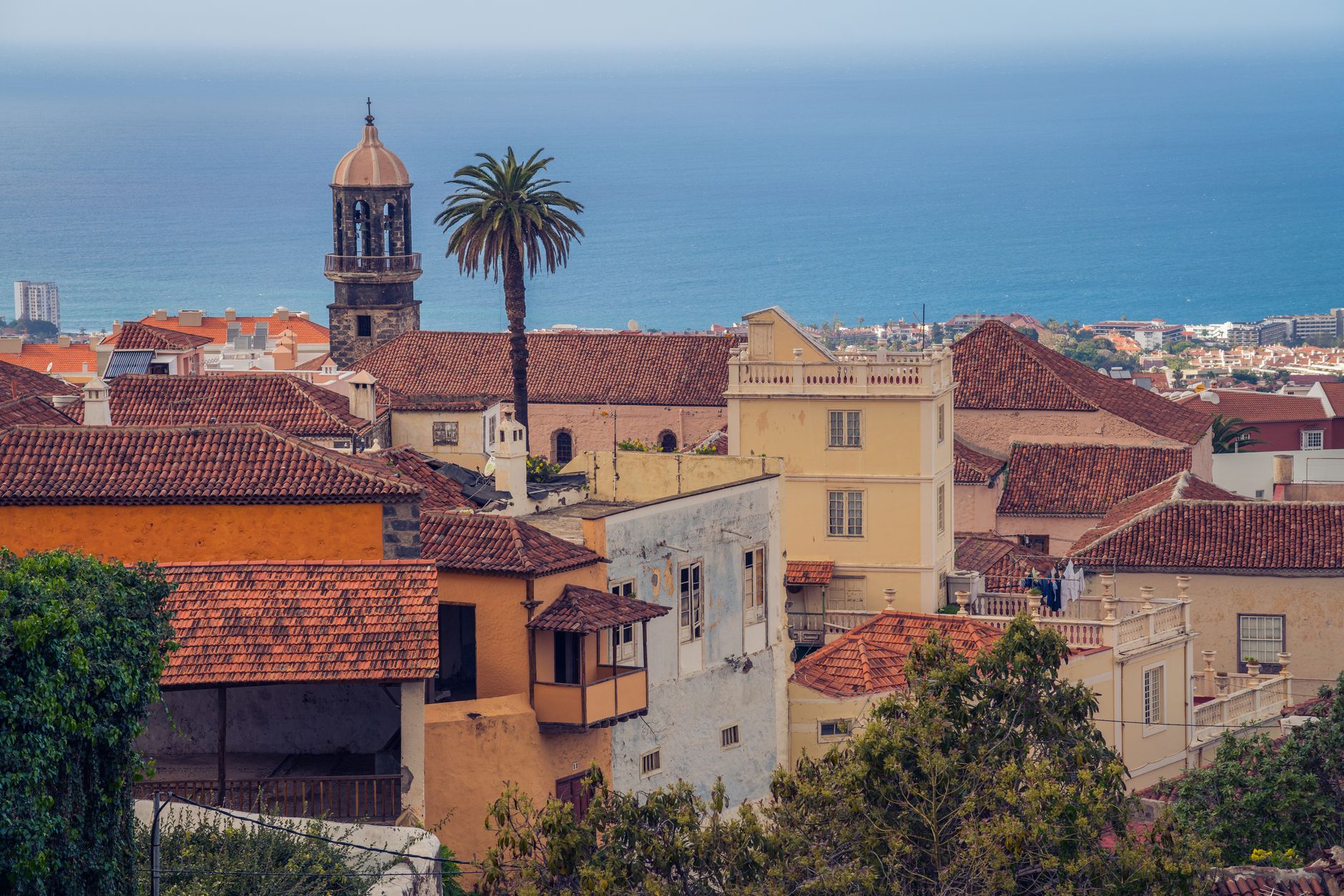
 Dry hills, cattle and a colonial church tower at Aguanqueterique, southern La Paz
Why people stay in Aguanqueterique
Aguanqueterique is the southern end of the department and it feels like a different country from the coffee highlands. Dry hills, thorny scrub, ceiba and guanacaste trees, cattle everywhere and dust on everything from February to May. The town centre has a genuinely handsome old church, a plaza with real trees for shade, a small municipal building and a couple of comedores. The name alone gets mispronounced by everyone, including Hondurans, and the town has a slightly proud, slightly stubborn feeling about being far from anywhere.
The rhythm here is dictated by heat. From about 11am to 3.30pm the plaza is empty except for men asleep under the trees, and the sensible thing is to do nothing at all. Then from four o’clock the town reappears: shops reopen, the football field fills, women sell tajadas and enchiladas from carts near the plaza for under a dollar, and the plaza has an hour of genuine life. By 9pm it is quiet again, with one or two pulperías still lit and a beer costing $1.50. There is no club, no restaurant with tablecloths and nothing resembling a bar scene.
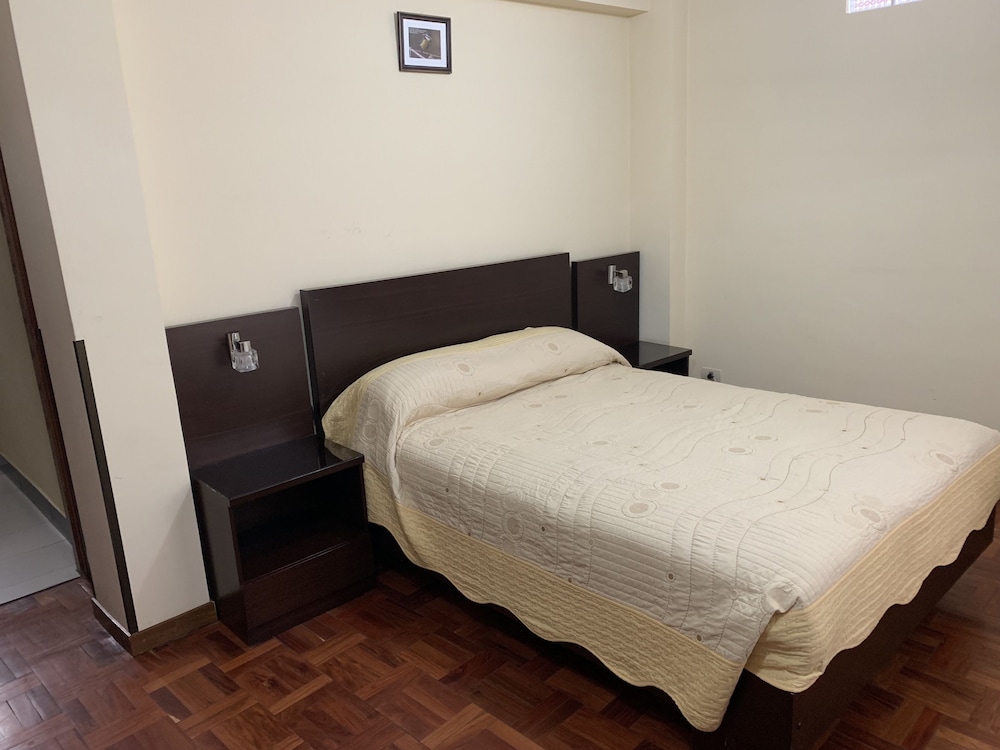
Rooms are $15 to $30 and plain — fan, tiled floor, private bathroom in the better ones, cold water everywhere and nobody minds because you want cold water here. The people who get the most out of Aguanqueterique are those interested in ranching country, colonial-era churches, dry-forest birds and the ordinary Honduran south rather than the coffee-and-cloud version of La Paz that fills the postcards. It is also the best base on this site for understanding how varied a single department can be.
Practical warnings, and they matter more here than in the highlands: water supply can be intermittent in the dry season, electricity flickers, and afternoon heat is not a joke if you plan to walk. There is no reliable ATM, so bring cash from La Paz Centro. Transport is morning-heavy and slow, on roads that are dusty half the year and greasy the other half. And unless you have your own vehicle, getting out on a Sunday afternoon can be genuinely difficult. Plan your exit before you plan your arrival.
The handful of options sit within three or four blocks of the plaza and the municipal building, and $15 to $30 covers all of them. The best value is a first-floor room with two windows and a working fan on one of the streets facing the plaza's trees — shaded frontage makes a measurable difference to the temperature by evening. Ask specifically whether water is running that week and whether there is a reserve tank, because dry-season cuts are common between March and May and a tank is the difference between a shower and a bucket. Avoid tin-roofed annexe rooms in back yards; they store heat until midnight. Avoid also the very cheapest shared-bathroom rooms if you are staying more than a night, since the extra $6 buys privacy and a fan you control. Everything is cash, small notes preferred, and phone bookings only. Confirm someone will be awake if you arrive after 8pm.
Things to do in Aguanqueterique

The colonial-era church facing the plaza is the town's one unambiguous sight — thick walls, simple whitewash, a cool dark interior that is the best place in Aguanqueterique at 1pm. It opens for morning and evening services and is often unlocked between. Free. Ask at the parish office if you want to hear the town's version of its history.

From about 4.30pm, carts and small tables appear on the streets bordering the plaza selling enchiladas, tajadas con pollo, pastelitos and frescos, mostly $0.50 to $1.50 an item. This is the best food in town, better than the comedores, and it is gone by about 8.30pm. Two dollars is a full dinner.

Take any of the ranch tracks leaving town and within twenty minutes you are among guanacaste, thorn scrub and cattle with big views south. Birdlife is excellent early — motmots, orioles, parakeets. Be back by 8.30am. Carry two litres of water, wear long trousers for the thorns, and expect to open and close farm gates.

Ask at a comedor or the municipal building and someone will point you at a nearby ganadero happy to show you a milking, a corral and a cheese room. Morning milking starts around 5am. A tip of $5 or buying a couple of pounds of cuajada at $2 to $3 is the right way to say thank you.

This is dairy country and the cheese is the local export. Pulperías near the plaza and producers on the edge of town sell fresh cuajada and hard queso seco for $2 to $4 a pound, wrapped in banana leaf or plastic. The dry cheese travels well for days; the fresh cuajada does not survive a hot afternoon in a bag.

Like most southern towns, Aguanqueterique's patron saint festival brings bull events, food stalls, live music on the plaza and every relative home from Tegucigalpa and the United States. Ask locally for the dates before you plan around it. Rooms fill completely that week, so book by phone or sleep somewhere else and come for the day.
What to see
Hotels near Aguanqueterique
No hotels are listed in Aguanqueterique yet. The nearest ones are on the region page.
Getting around Aguanqueterique
Aguanqueterique is one of the harder places on this site to reach. From Tegucigalpa, buses run from Comayagüela toward the southern La Paz towns, taking roughly three to four hours for $6 to $9 depending on the route and how many stops the driver invents. From La Paz Centro, expect a minibus or pickup combination of two to three hours and $5 to $8, with almost all departures before 10am. Return services out of town are morning-only in practice, and Sunday afternoons can leave you stranded, so ask the driver on arrival exactly when he comes back. In town everything is within six or seven blocks and you walk, at dawn or after four. Motorbike taxis do local runs for $1 to $2, and a pickup to outlying aldeas costs $20 to $40 for a half-day.
Questions about Aguanqueterique
Three to four hours by bus from Comayagüela for $6 to $9, longer if you change in La Paz Centro or a highway town along the way. Almost all services run in the morning. If you leave the capital after midday you risk finishing the journey in the dark on unlit dirt roads, which is worth avoiding — set out before 9am.
Reasonably in the wet season, less so from March to May when the dry season bites and the municipal supply is rationed in places. Electricity flickers and short cuts happen. Choose accommodation with a reserve water tank, ask before you pay, and carry a torch and a power bank. This is normal for the southern hills, not a sign of a bad hotel.
November to February, when the hills still have some green from the rains and afternoons are bearable rather than punishing. March to May is the hottest and dustiest stretch, above 32 degrees most afternoons. June to October brings green landscapes and dramatic skies but also muddy roads and less dependable transport into the aldeas.
Yes, and it is the single most interesting contrast in La Paz — dry cattle country and cold cloud-forest coffee towns in one department, about half a day apart. The practical route is Tegucigalpa to Aguanqueterique, back through La Paz Centro, then up to Santa María or Marcala. Do not try to do it in two days; four is the minimum.