Tepanguare
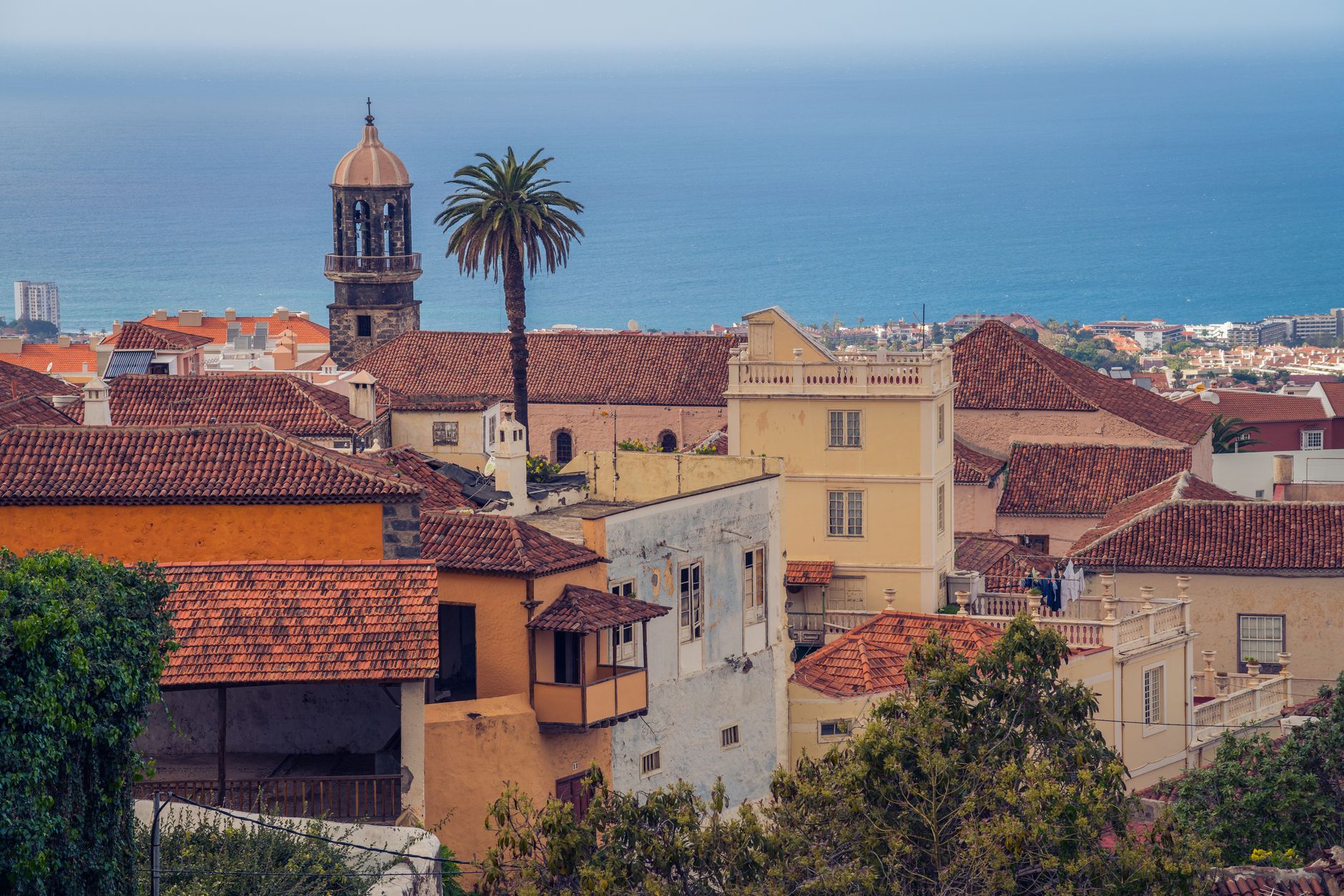
Warm farming village in the southern valleys of La Paz, two very basic rooms, river swimming and serious quiet.
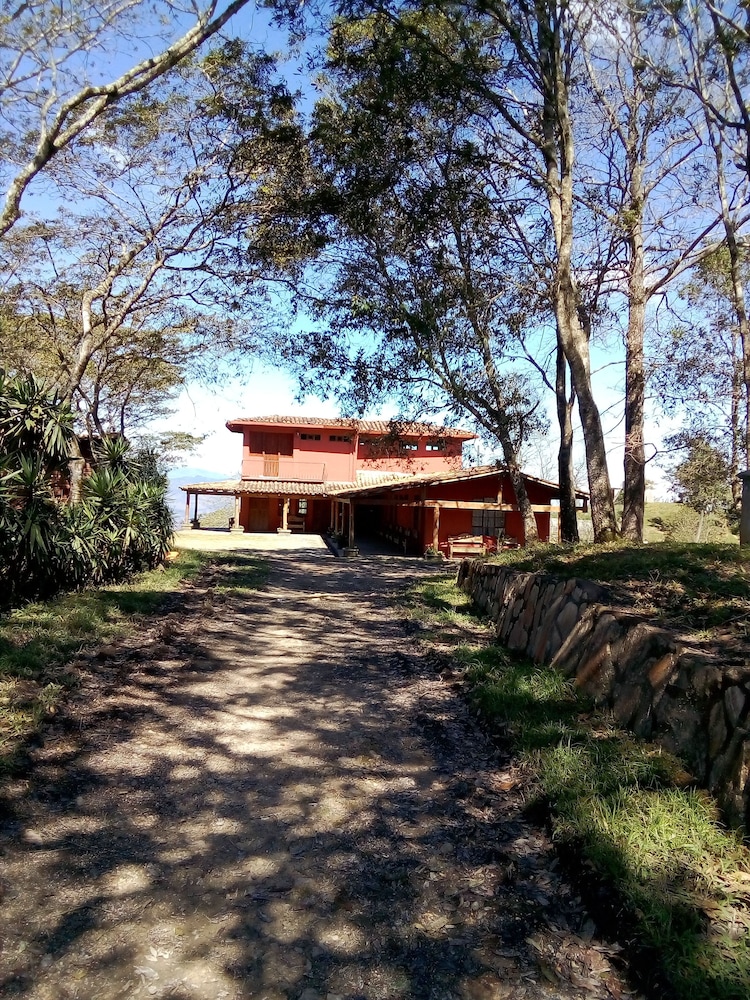
 Warm valley farmland and a dirt road at Tepanguare, southern La Paz
Why people stay in Tepanguare
Tepanguare sits in the warmer, lower southern country of La Paz, and the change from the coffee highlands is immediate: no jacket needed, cicadas instead of pine wind, mango and guanábana trees in the yards, and heat that makes 2pm a bad time to do anything. This is cattle and maize country. Houses are spread along a dirt road rather than gathered round a plaza, and the village centre amounts to a church, a school, a football field and two or three pulperías. Nobody here works in tourism and there is no reason for anyone to pretend otherwise.
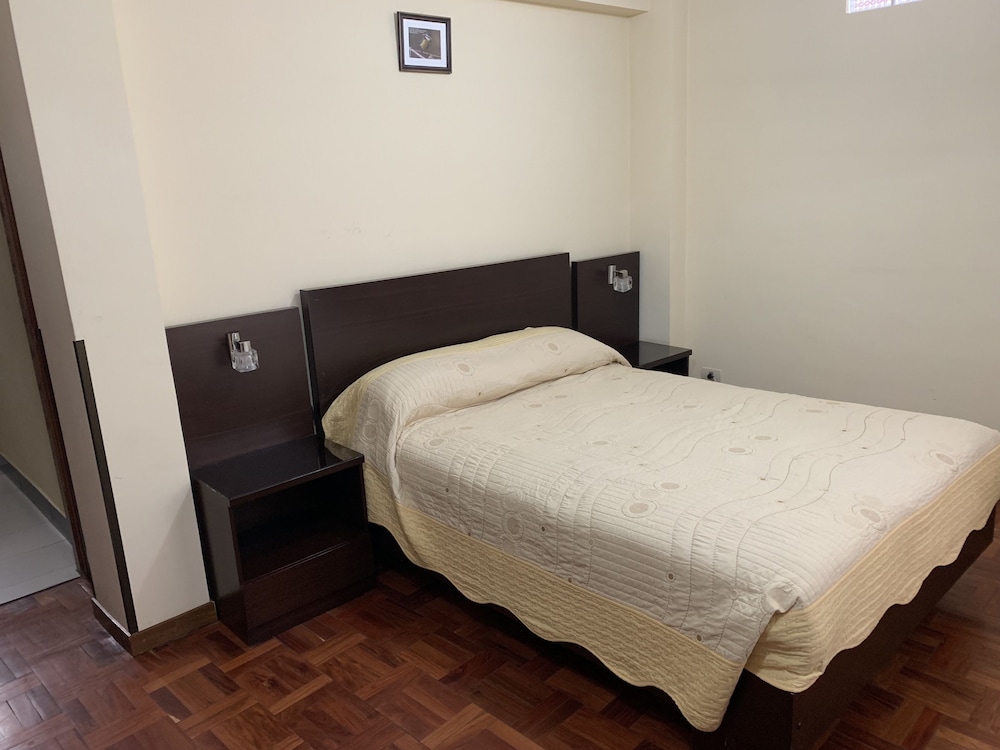
Beds are minimal — realistically one or two hospedaje-style options plus rooms let by families, at $12 to $20. Expect a fan, and expect to want it, because it does not really cool down until well after 9pm. Water may be intermittent in the driest stretch from March to May, when the local supply drops and a bucket in the corner of the bathroom is normal. Cold showers are the norm and, in this heat, a mercy. Nobody takes cards, there is no ATM within an hour, and the nearest pharmacy worth the name is a pickup ride away.
The reason to come is the river and the pace. Swimming holes in the streams around the village are used by kids from mid-afternoon and are properly good — cool water, shade, flat rocks. Late afternoon is when the village wakes up: football on the field around 4.30pm, people on doorsteps, radios, someone selling frescos from a cooler. By 9pm the road is dark and the sound is insects and a distant television. It is one of the most restful places on this site and one of the least equipped.
Skip Tepanguare if you cannot handle heat, if you need dependable water and electricity, or if your schedule has no slack, since transport is a couple of pickups in the morning and improvisation after that. It also does not suit anyone who wants to be left entirely alone — you will be noticed, greeted, and asked what you are doing here, repeatedly and warmly. Come with a hammock's worth of patience, a book, cash in small notes, and no expectation of a restaurant meal.
There is very little formal accommodation, so treat this as a village-stay rather than a hotel decision. Ask at a pulpería near the church and expect $12 to $20 for a room with a fan, mosquito screening if you are lucky, and a shared or basic private bathroom. Choose a room with cross-ventilation and a window that opens onto the yard rather than the road; the difference at 10pm is significant. Insist on a fan and check that it works, and check whether water is running that week, since the dry months from March to May can mean bucket washing. Avoid tin-roofed rooms with no ceiling, which hold the day's heat until midnight. Bring a mosquito repellent and a plug-in coil, both of which the pulperías may or may not stock. Arrange meals with your host at $3 to $4 a plate; after dark there is no food for sale beyond biscuits and sardines.
Things to do in Tepanguare

Follow the dirt road downhill from the church until you hear water, ten to twenty minutes depending which way you are pointed, and you will find the pool the local kids use. Best from 3pm when the shade comes over and the crowd arrives. Free, no facilities, leave nothing on the rocks and take your rubbish out.

The field beside the school fills from about 4.30pm most days and hosts real matches at weekends, with the whole village on the edge and someone selling frescos and churros for under a dollar. Turn up, stand, and you will be invited to play, which at this altitude and temperature you may regret.

Mango, guanábana, oranges and bananas grow in house plots along the main road, and in season people sell from a bucket at the gate for a few cents each. Ask, do not pick. Mango season around April and May is absurd — you will be given more than you can eat and refused payment.
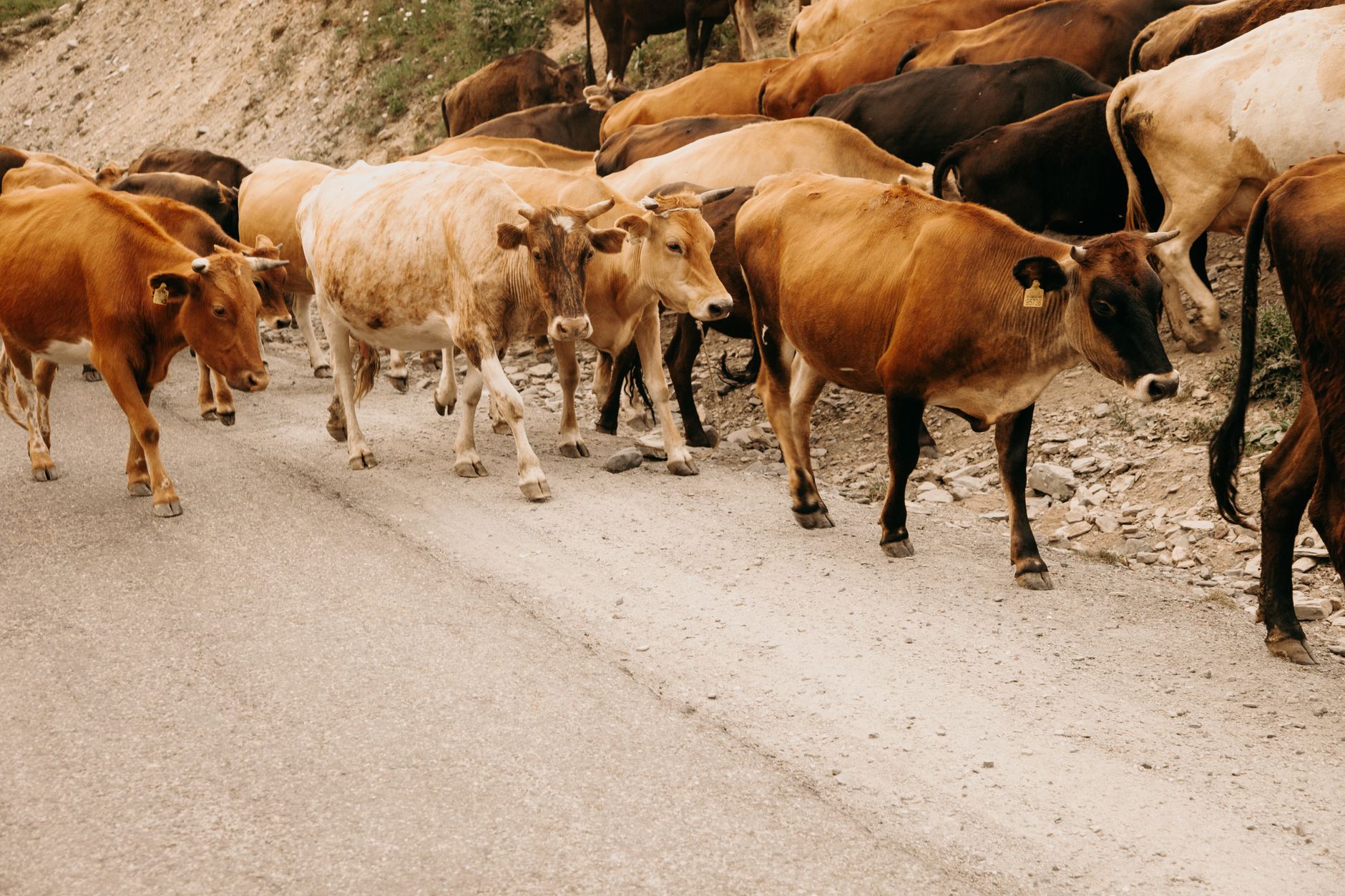
Any of the lanes leaving the main road lead into pasture and maize within five minutes, and at 5.30am the light across the southern hills is the best thing here. You will pass milking, ox carts and men on horseback. Be off the open ground by 9am, when the heat becomes genuinely unpleasant.

This is a real activity here. Buy a cold soda or a beer for $1 to $1.50 at a pulpería by the church, take the plastic chair, and stay from 1pm to 3.30pm while nothing happens. You will get the village's whole news cycle and probably an invitation to dinner.
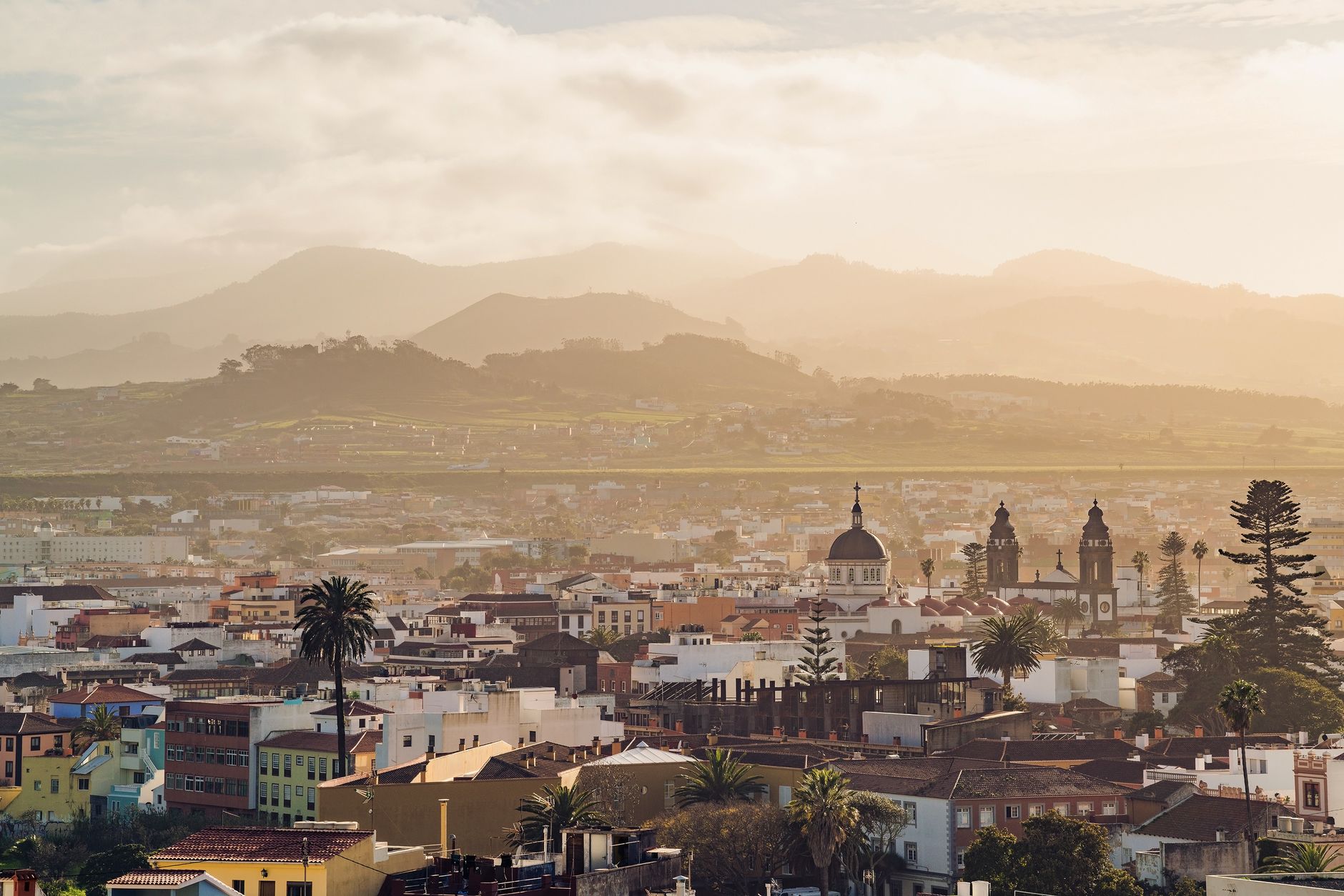
Pickups leave early, usually before 7.30am, for the nearest larger town with a market, bank and pharmacy, costing $2 to $5. Do all your resupply and cash in one trip and confirm the return departure with the driver before you get out, because there may be nothing after early afternoon.
What to see
Hotels near Tepanguare
No hotels are listed in Tepanguare yet. The nearest ones are on the region page.
Getting around Tepanguare
Reaching Tepanguare takes two or three legs and some flexibility. From Tegucigalpa, get to the southern La Paz road network via Comayagüela buses toward La Paz or the Aguanqueterique side, then transfer to a pickup for the final dirt stretch, typically $2 to $5 and thirty minutes to an hour and a half. Departures out of the village are almost all before 8am, and afternoons are unpredictable, particularly at weekends. There is no terminal; vehicles stop near the church or the school. Within the village everything is on one dirt road and you walk it, though in the heat of the day even that is work — most people move at dawn and after four. In the wet season from June to October, expect the road to be slick and slow.
Questions about Tepanguare
Hot. This is the low, dry southern side of La Paz, and afternoons from March to May regularly sit above 32 degrees with little breeze until evening. Rooms are fan-cooled at best and nothing is air-conditioned. Plan activity for before 9am and after 4pm, drink far more water than feels necessary, and choose a room with two openings for cross-ventilation.
The local pools are used daily by village children and are generally fine in the dry season, when the water is clear and slow. After heavy rain between June and October, levels rise fast and the water carries silt and farm runoff, so skip it for a day or two afterwards. There are no lifeguards, no depth markers and no facilities of any kind.
With your host or from a pulpería. There is no restaurant with a menu, and after dark the only things for sale are biscuits, sardines, soft drinks and beer. Arrange meals when you check in, $3 to $4 a plate for beans, eggs, cheese, tortillas and whatever meat is around. Say if you do not eat meat, kindly and early.
Probably not. With five days you want La Paz Centro or Marcala as a base, the caves and waterfalls, and one highland town like Guajiquiro. Tepanguare is a slow, warm, unequipped village for people with time and no plan. Come if you have ten days, or if you specifically want the southern lowland side of the department.