Cold Mornings in La Paz, Honduras: When to Book a Warm Room
 Cold Mornings in La Paz, Honduras: When to Book a Warm Room
La Paz sits at roughly 750 metres in a high valley, and its coolest, clearest nights fall between November and February — the window when a heated room is worth paying for.
Why La Paz Mornings Feel Colder Than the Guidebook Says
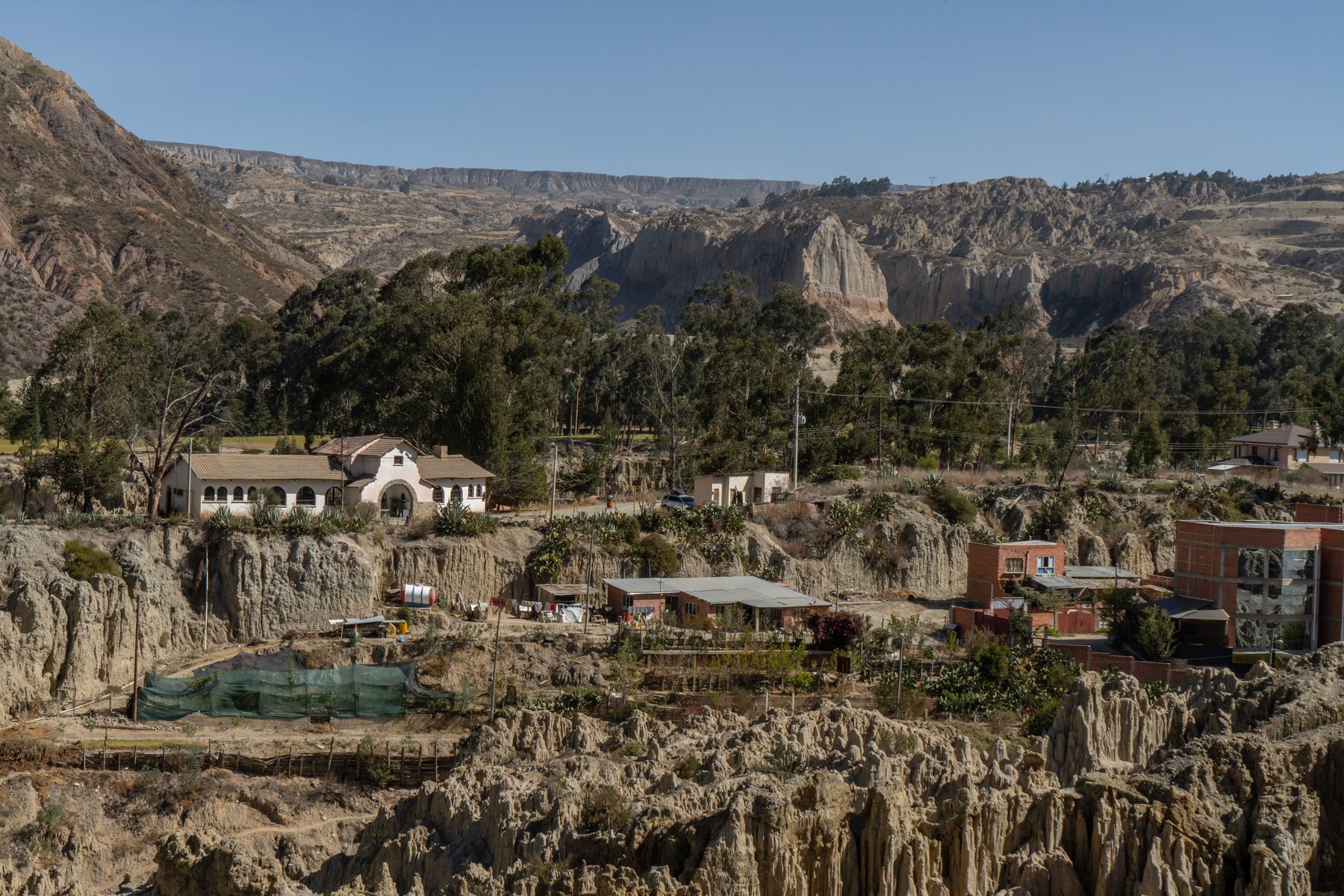
La Paz, capital of the department of the same name, spreads across a valley floor at around 750 metres, ringed by pine-covered ridges that hold cold air until the sun clears them. From late November to February the mercury routinely dips into the low teens Celsius before dawn, and the damp that arrives with the tail of the rainy season in October and early November makes those mornings feel sharper than the number suggests. By 9am most of the chill has burned off; by noon you will want shade, not a jacket.
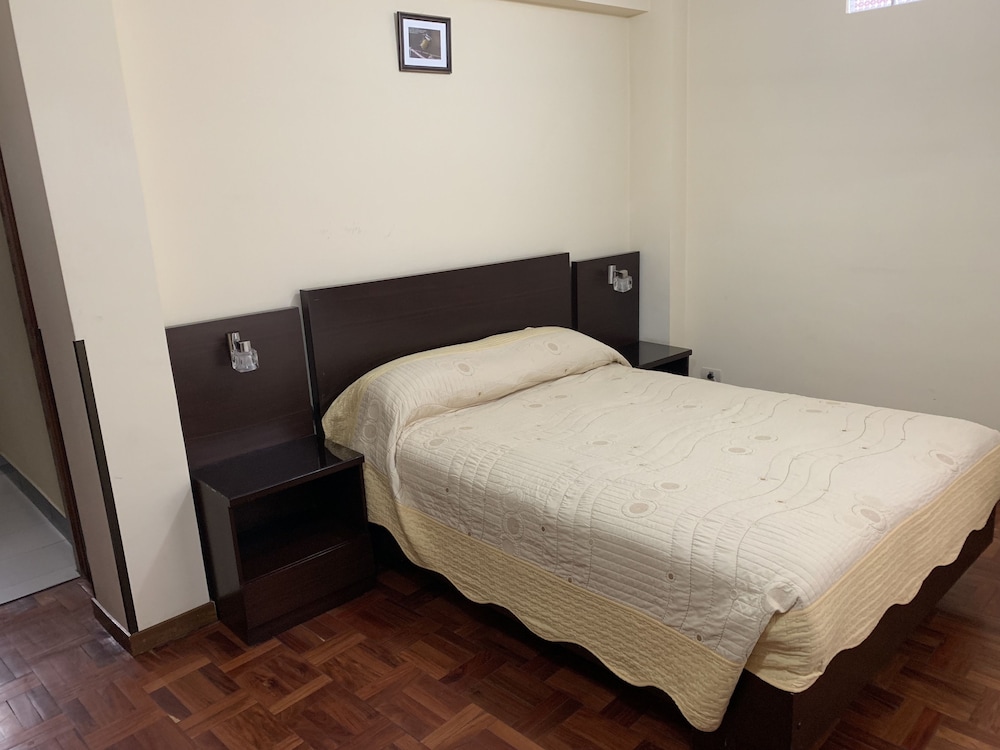
The practical consequence is that a room facing the valley floor collects cold overnight, while an upper-floor room on the ridge side catches the first sun around 6:30am and warms quickly. Ask which side of the building your room faces, whether the windows are single-pane, and whether the bedding includes a heavy blanket or only a sheet. In La Paz those three details matter far more than star rating. If a property cannot answer, that itself is the answer.
Booking Windows: When Warm Rooms Actually Sell Out
Demand in La Paz clusters hard around Semana Santa in late March or early April, the Feria Patronal in July, and the Christmas-to-New-Year week, when families working in San Pedro Sula and Tegucigalpa drive in on the CA-5. Those are warm-season dates, so air conditioning matters more than heating. For cold-morning travel — December through February — book seven to ten days out and you will usually find choice; leave it to 48 hours and you will be taking whatever has a spare bed, heated or not.
The reverse applies to weekends. La Paz is a short run from Tegucigalpa via Zambrano and from San Pedro Sula along the CA-5 through Siguatepeque and Comayagua, so Friday and Saturday nights fill first with weekend visitors. If your trip is built around early starts — the Saturday market around the Parque Central, or a pre-dawn departure toward Marcala — book Wednesday or Thursday night instead, when rates soften and the front desk has time to move you to a warmer room.
Two Hotels Worth Booking for a Warm Night
Hotel La Paz Central, two blocks from the Parque Central and the Catedral de Nuestra Señora de la Paz, is the practical choice for a first visit: walkable to the market, the banks on Calle del Comercio and the bus stops for Marcala and Santiago de Puringla. Its rooms on the upper floor, ridge side, hold heat through the night. Rates run in the mid-range band, roughly 900 to 1,500 lempiras a night for a double in high season, with a light breakfast and hot water. Confirm the heated-room request in writing when you book.
Hotel Valle del Rosario, on the road out toward the El Rosario turn-off and about three kilometres from the centre, suits travellers with a vehicle. It is quieter, the grounds catch afternoon sun, and parking is on-site, which matters if you are heading to Gracias or the Lenca villages early. Expect to pay around 1,200 to 1,900 lempiras for a double with breakfast in December and January. Of the two, I would book La Paz Central if you have no car and Valle del Rosario if you do.
What to Skip, and How to Time the Morning
Skip the very cheapest rooms facing the interior courtyard in December and January. They lose the sun entirely and stay cool until midday, and the saving is rarely more than a couple of hundred lempiras. Also skip the temptation to drive up to Guajiquiro for a night in the cold season unless you have confirmed accommodation and a four-wheel-drive; the road from La Paz through San Pedro de Tutule is slow and often fogbound. Treat Guajiquiro as a day trip from a warm base in La Paz instead.
Time your mornings. Buses toward Marcala leave early, and the light on the ridges above the city is best between 7am and 9am, once the valley has warmed. Book a room with morning sun, take breakfast after eight, and keep the coldest hour — roughly 4am to 6am — for sleeping under a proper blanket. If you need certainty, book in the first half of December rather than the last week, when Christmas visitors arrive and the best warm rooms go first.
Before you book
The questions people ask about La Paz, answered with this month’s numbers.
December and January are reliably the coldest, with pre-dawn temperatures in the low teens Celsius and the occasional colder night on the valley floor. February stays cool and dry but warms faster after sunrise. October's tail-end rain makes November mornings feel colder than the thermometer suggests.
About 90 kilometres via Zambrano on the CA-5, roughly two hours by car in dry weather and longer in rain or after dark. From San Pedro Sula expect four to five hours through Siguatepeque and Comayagua. Allow extra time if you arrive in the afternoon and hit the market traffic.
Most do not have central heating; warm rooms rely on orientation, sun exposure and heavy bedding. Ask specifically whether the room gets morning sun, whether windows are single-pane and whether extra blankets are provided. Confirm in writing when you book, particularly for December and January stays.
Book the first half of December rather than the last. Christmas-to-New-Year is the busiest stretch, driven by families returning from San Pedro Sula and Tegucigalpa, and the warmest rooms go first. Seven to ten days ahead is comfortable for most other December dates.
No for the centre — the Parque Central, cathedral and market are walkable, and buses run to Marcala and Santiago de Puringla. A car helps for outlying properties and early starts toward Gracias or the Lenca villages. If you book a hotel outside the centre, arrange transport in advance.
A warm mid-layer, a light windproof jacket and something for the head. Days warm up quickly, so pack layers you can shed by mid-morning. Sturdy shoes matter more than heavy coats, since the streets around the market are uneven and slippery after rain.
Yes, but plan a full day. The road through San Pedro de Tutule is slow and can be fogbound, and a four-wheel-drive is advisable in the wet months. Go with a local driver, leave early and return before dark rather than attempting an overnight without confirmed accommodation.
Wait for the sun, then walk the Parque Central and the market, and visit the cathedral. Coffee and a hot breakfast near Calle del Comercio is the sensible start before eight. Save longer outings — Marcala, the Lenca villages — for mid-morning once the valley has warmed.