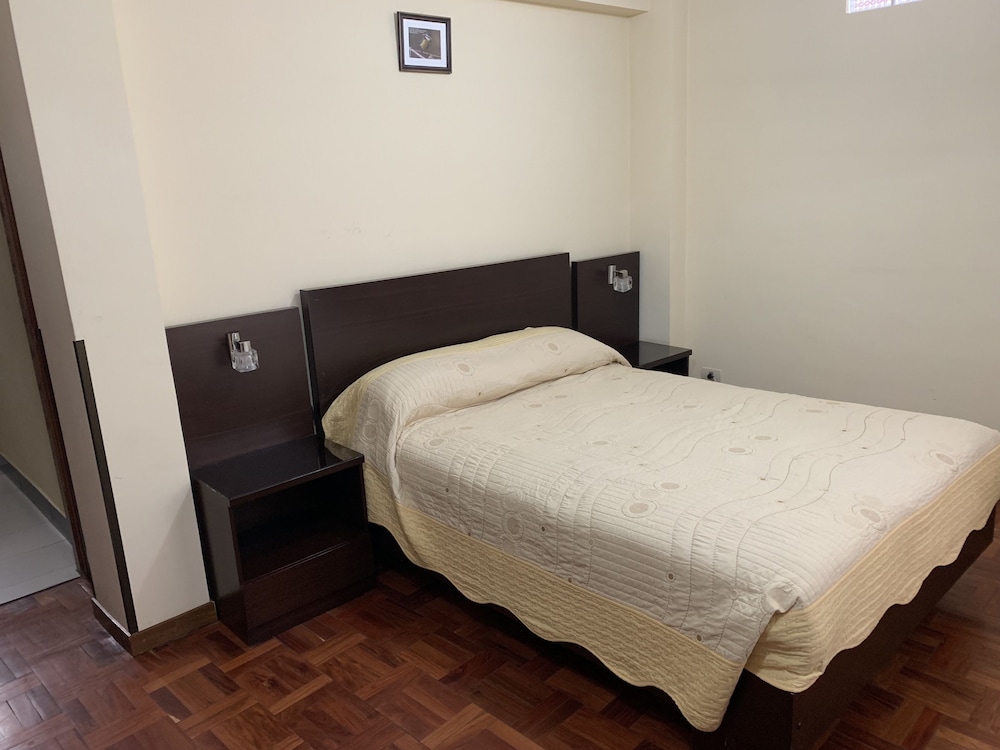
Hotels with backup power and water storage in La Paz, Honduras, ranked
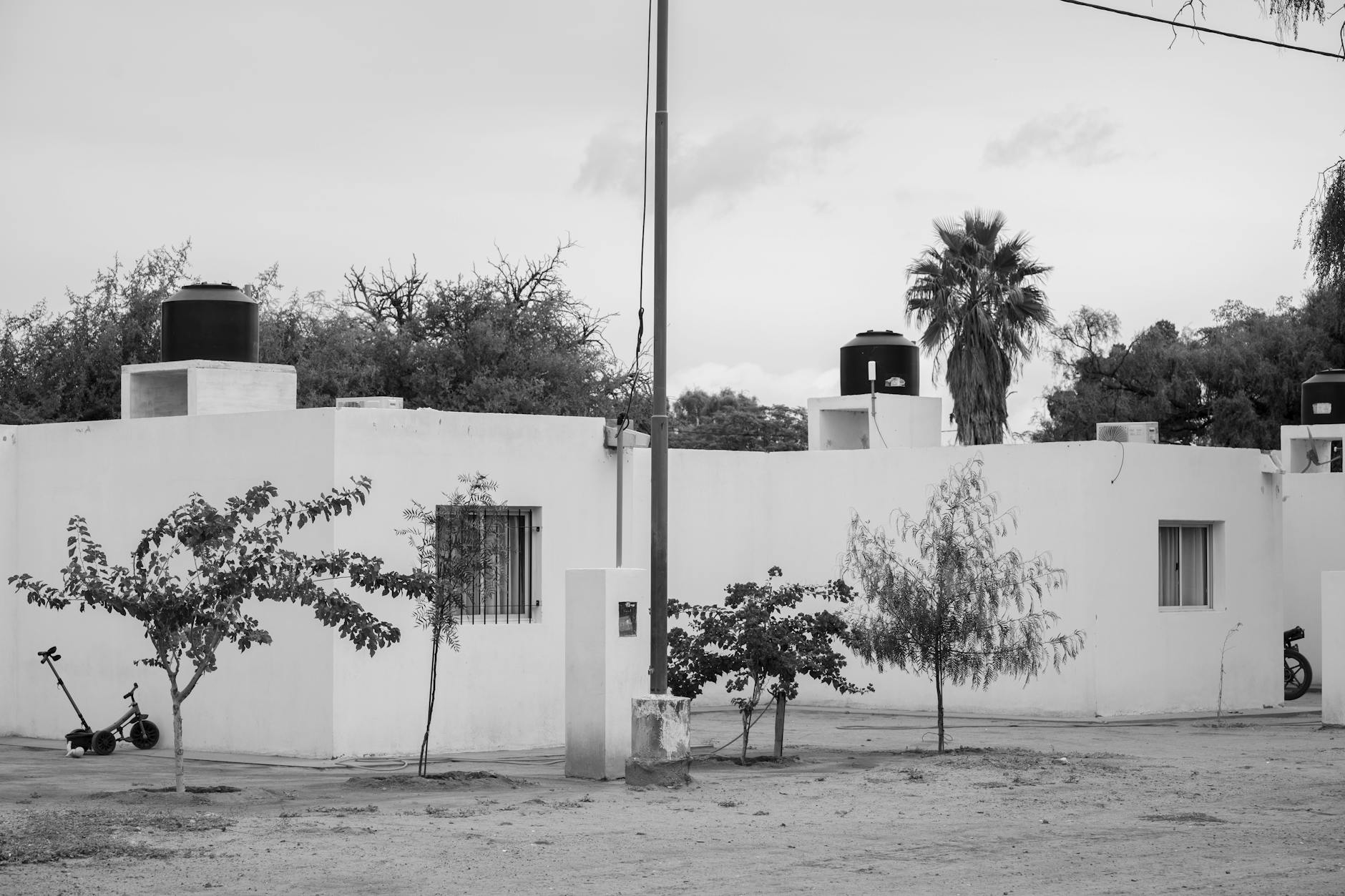 A rooftop black water tank and a small generator behind a hotel in highland Honduras
Eight tiers of lodging judged only on whether the lights and the shower still work when the grid or the mains fail, with prices from $18 to $85 a night.
Why this is the amenity that matters most here
Two things interrupt a stay in La Paz department more reliably than anything else: the power going off and the water not arriving. Grid cuts come in two flavours, the scheduled maintenance kind that takes a town off supply for four to six hours in daylight, and the storm kind that follows an afternoon downpour between May and October and can last from twenty minutes to a whole evening. Water is a dry-season problem. From roughly March to May, town mains in Marcala and parts of La Paz Centro can run on alternate days, and the higher villages ration harder than that.
The vocabulary you need is short. A planta is a generator. A tanque or tinaco is the rooftop water tank, a cisterna the underground one, and a pila the concrete washing basin that doubles as a household reserve. Ask a hotel, in one message, whether it has a planta and a tanque. A place with both barely notices a cut; a place with neither hands you a candle and an apology. That single question sorts the department's hotel stock more usefully than star ratings, photographs or any review score you will read online.
1 and 2: the bypass hotels and the business rooms near the Comayagua road
First are the newer hotels around the La Paz bypass and the Comayagua turn-off, $55 to $85. They were built for contractors and airport traffic, which means an automatic diesel generator that picks up within thirty seconds, a cistern plus rooftop tanks, and staff used to running both. In a four-hour cut you will notice only that the air conditioning is on a restricted circuit. The catch is what you pay for it and where you are: an unfinished street with highway noise, twenty-five minutes from Comayagua, with nothing walkable outside the gate after dark.
Second are the mid-range business-oriented rooms nearer La Paz Centro, $45 to $65, which typically have a smaller manual generator someone starts when the lights go, plus a good tank. Expect a five to ten minute gap while the planta is fired up, and expect it to run lights, fans and the water pump but not air conditioning. That is the right trade for most travellers: you keep the shower, the phone charging and the fan. Confirm that the pump is on the generator circuit, because a tank you cannot pump from is decoration.
3 and 4: Marcala's town hotels and the cooperative guesthouses
Third are Marcala's town hotels near the parque central, $40 to $60. Water is the local weak point, so the good ones carry serious storage, sometimes a cistern feeding rooftop tanks that covers three or four days of full occupancy. Power backup is patchier: a generator at the better addresses, an inverter and battery running lights and Wi-Fi at others, nothing at the rest. At 1,300 metres you do not need air conditioning, which makes an inverter setup perfectly sufficient. Ask which of the three you are getting before you book, because the price band does not tell you.
Fourth are the cooperative and training guesthouses on the edge of Marcala, $20 to $30. These are built to keep groups of thirty fed and washed regardless of what the grid does, so storage tanks are large and there is often a generator for the kitchen and dining hall. Rooms themselves may go dark in a cut while the communal areas stay lit. For the money, that is a fair deal and the best resilience per dollar in the department. The catch remains the shared, institutional feel and whatever training course happens to be running that week.
5 and 6: coffee fincas and the solar cabins
Fifth are the coffee finca cabins around Marcala, Chinacla and Santiago de Puringla, $50 to $80. Farms need power for pumps and depulping in harvest season, roughly November to February, so many have a generator; farms also sit on their own spring or well, so water is often better than in town. The catch is that the generator may serve the beneficio rather than the guest cabin, and the road out is the real vulnerability. After a heavy night's rain between June and October, the track can be the reason you stay another day, not the power.
Sixth are the small solar-and-battery cabins scattered in the hills, $35 to $55, generally eco-minded builds with panels, an inverter and a rainwater or spring supply. On a clear February day they outperform everything above: silent, independent, and unaffected by grid cuts. The honest catch is capacity. A modest battery bank runs lights, phone charging and Wi-Fi, and will not run a hairdryer, a kettle or an electric showerhead. After three overcast days in September, output falls and hosts start rationing. Bring a power bank and a headtorch and treat hot water as a bonus.
7 and 8: the high villages and the cheapest town rooms
Seventh are the village cabins and hospedajes in Santa Elena, Opatoro, Yarula and above Guajiquiro, $25 to $45. Up here cuts are longer, sometimes overnight after a storm, and repairs take longer to reach 1,800 metres. Almost nobody has a generator. What they do have is a big pila, a wood stove and a household rhythm entirely unbothered by darkness, which is a kind of resilience in itself. Bring a headtorch, expect a bucket shower, and accept that hot water may mean water heated on the stove.
Eighth are the cheapest rooms in La Paz Centro and Marcala at $15 to $25. No planta, small or no tank, and when the mains stop you get a barrel in the corridor and a scoop. For one night it is survivable and the price is honest. What you should not do is book this tier for a week in April, the driest, hottest stretch, and expect a daily shower in La Paz Centro. That is the single most common complaint travellers leave about this department, and it is entirely avoidable for another $15 a night.
What to ask, what to pack, and what to skip
Send one WhatsApp message before booking: does the room have water 24 hours, is there a rooftop tank or cistern, is there a generator, and is the water pump connected to it. Four answers, one minute, and it decides the stay. Pack a headtorch and a 10,000 mAh power bank regardless of where you book, because even the best-equipped hotel here will have an unannounced twenty-minute gap at some point. A litre bottle you can refill from a purified garrafón, about $2 a refill, saves you from drinking tank water when supply is odd.
Skip anything advertising air conditioning as a headline feature in the highlands: at Marcala's 1,300 metres and higher you do not need it, and it is the first circuit dropped when a generator takes over. Skip booking April in the lowland south of the department, around Aguanqueterique and Mercedes de Oriente, where heat and water rationing coincide. If I were picking one bed for reliability, it would be a Marcala town hotel with a cistern and an inverter at about $50, which handles the department's two real failure modes without paying bypass prices.
Before you book
The questions people ask about Marcala, answered with this month’s numbers.
Expect a scheduled daytime cut of four to six hours perhaps once or twice a month, plus shorter storm-related outages after heavy afternoon rain between May and October. Villages above 1,700 metres wait longest for repairs. Hotels with an automatic generator restore power within about thirty seconds.
March to May, the end of the dry season. Town mains in Marcala and parts of La Paz Centro can supply on alternate days, and the high villages ration harder. Any hotel with a cistern and rooftop tanks covers three or four days of normal use without guests noticing anything.
For lights, Wi-Fi and charging, yes, and it beats the grid on quiet nights. Not for anything with a heating element: no kettle, no hairdryer, no electric showerhead. After three overcast days in the rainy season, hosts start rationing output. Rates run $35 to $55 a night.