Santiago de Puringla area guide: where to stay and what it costs
 Coffee terraces and pine ridges above a highland town in northern La Paz
A working coffee town in the pine-and-cloud hills roughly an hour northwest of La Paz Centro, where a room runs $15 to $40 and the beds effectively disappear between November and February.
Who this town suits
Puringla is for people interested in coffee as an industry rather than as a tasting-room experience. The municipality sits high enough for good arabica — the town itself around 1,200 to 1,400 metres, with aldeas climbing well past 1,500 — and its economy is beans, wet mills, drying patios and the trucks that move them. If you buy, roast, finance or study coffee, a couple of nights here gets you into farmyards that no organised tour would take you to. It also suits cyclists who want a real climb, birders working the pine-oak and cloud-forest edge, and anyone who simply sleeps better at 15°C.
It does not suit travellers who want their evenings organised. Kitchens close by eight, there is no bar scene, card payment is rare and the range of rooms is narrow enough that a bad night has no alternative. Families with small children will find La Paz Centro easier for supplies and medical care. And anyone who wants coffee tourism packaged — cuppings on a schedule, English-speaking guides, a farm restaurant — should be booking around Marcala instead and treating Puringla as a day out.
The drive up from La Paz Centro
Coming from La Paz Centro you head northwest and climb steadily; reckon on an hour to an hour and twenty minutes depending on the state of the surface and how much of the route has been repaved since you last drove it. Sections are asphalt, sections are gravel, and the last approaches to the higher aldeas are dirt that turns slick between June and October. A normal car with clearance is fine in the dry months; from September onward, four-wheel drive is the difference between reaching a farm and turning around at the gate.
Without your own vehicle, buses and passenger pickups run from La Paz Centro through the morning, with the useful departures before nine and the last return generally mid-afternoon. Fares are in the $2 to $4 range. Once you are in town, getting out to the farms means either a lift with someone from the co-operative or a moto-taxi negotiated on the plaza, typically $3 to $8 depending on how far up the ridge you are going. Agree the return as well, or you will be walking down.
Where the beds are, and the price bands
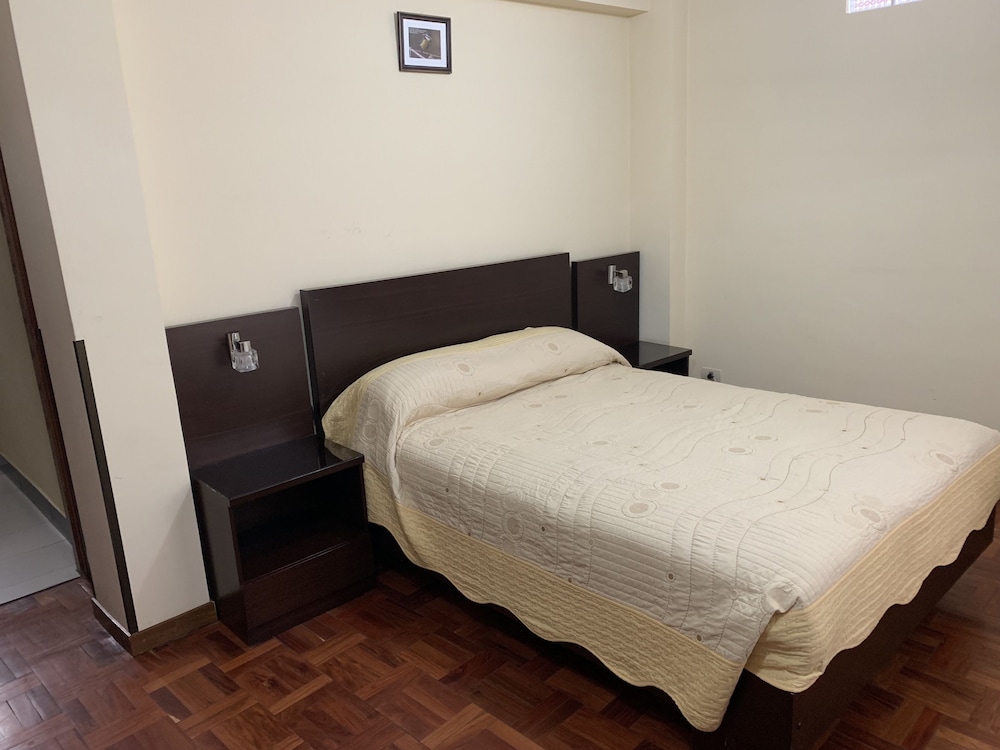
There are three tiers. The cheapest is a plain hospedaje room near the plaza, $12 to $20, with a cold shower, a shared or basic private bathroom and heavy blankets rather than heating — perfectly liveable, but check the mattress before you commit. The middle tier, $20 to $35, is the small guesthouse type run as a family business, usually with a private bathroom, an electric shower head that produces genuinely warm water, secure off-street parking and coffee in the morning. That is the band most visitors should target.
The top tier is farm accommodation: rooms attached to a beneficio or a producer's house, roughly $30 to $45 including breakfast, sometimes more if meals and a mill walk-through are bundled. These are arranged through the producer or the co-operative rather than online, and they put you in the middle of the harvest, which is the entire point. For comparison, Marcala's better rooms sit at $40 to $70 and La Paz Centro's at $25 to $45, so Puringla is the cheapest cool-climate sleep in the department.
Harvest season and the November-to-February crunch
Picking runs roughly from November into February, peaking around December and January, and during those weeks the town's spare beds go to cuadrillas of pickers, buyers and mill staff. That is when Puringla is most interesting and least available. If you want to see fermentation tanks running and patios full, book six to eight weeks ahead through a co-operative contact, and accept that you may be offered a room in a farmhouse rather than in town. Prices firm up by perhaps $5 to $10 a night, which is trivial against the difficulty of finding anything at all.
March to May is the quiet counterpoint: rooms are easy, the town is calm, and what you see is pruning, fertilising and nursery work rather than the spectacle. June to October is green, wet and beautiful, with cloud sitting on the ridges most afternoons and roads at their worst. If you have one week and want both availability and activity, aim for the second half of November — the harvest has started, the crush of pickers has not peaked, and the rain has usually eased.
What is walkable from the plaza
The centre is compact: the church and plaza, the alcaldía, a covered market area that is busiest on the main buying day, a scatter of pulperías, two or three comedores, a couple of bakeries and the co-operative or buyer offices where coffee actually changes hands. All of it fits inside five or six blocks and you can walk from one edge to the other in ten minutes. The plaza fills at dusk and again after Sunday Mass, and that is where you will find the person who can put you in touch with a farm.
Walk out in any direction and the gradient starts immediately. Within thirty to forty minutes on foot you are among coffee terraces under shade trees, with pine ridges above and long views back over the valleys toward the lower country. The road to the higher aldeas is the easiest walking route and gets you the best morning light between about six and eight. There are no waymarked trails here, so ask locally which track is which, and go with someone if you plan anything longer than a couple of hours.
Food, coffee, warmth and what to pack
Eating is comedor food at $3 to $5 a plate: beans, eggs, cuajada, chicken or beef with rice, hand-made tortillas, plantain, and soup on Sundays. Baleadas from a street stand run $1 to $2. Kitchens open early for the farm crowd and shut early, so eat by seven-thirty unless you have arranged otherwise with your host. The coffee you are served in a comedor is usually not the coffee the town exports — the good lots leave in sacks — so if you want to taste local quality, ask a producer to brew you something from their own reserve.
Nights are cold in a way that catches people out: December and January can drop to 10 to 12°C in town and lower on the ridges, and almost nothing here is heated. Bring a fleece and a warm layer for sleeping, and confirm before you pay whether the shower is electric or straight cold. Add a rain shell from June to October, boots with grip for farm mud, a power bank for the cuts, and cash — the nearest dependable machines are in La Paz Centro or Marcala, not here.
Puringla or a Marcala base: how to choose
Base yourself in Marcala if you want the coffee experience delivered: guided farm visits, cupping tables, roasters who expect visitors, a wider choice of rooms in the $40 to $70 band and restaurants that serve dinner after eight. Marcala's protected-origin coffee scene is set up for outsiders, and you can arrange a full day without knowing anyone. The cost is that you are one of several visitors on a route that has been walked many times, and the price of every night reflects it.
Base yourself in Puringla if you would rather turn up at a mill at six in the morning with no audience, pay $20 to $35 for a bed, and spend your day with people who are not performing for you. You need Spanish, patience, a vehicle or a willing moto-taxi driver, and a contact to open the first door. Given a four-night trip I would do two nights in Marcala to get oriented and two in Puringla to actually see the working end — in that order, because the introductions come from Marcala.
Before you book
The questions people ask about Marcala, answered with this month’s numbers.
About an hour to an hour and twenty minutes by car on a mix of asphalt and gravel, longer in the rains from June to October. By bus or passenger pickup, leave La Paz Centro before nine in the morning, pay roughly $2 to $4, and plan your return for mid-afternoon, when the last useful services go back down.
Yes, and it is the normal way here. Ask at the co-operative or buyer office near the plaza, or at your guesthouse, and expect to be introduced rather than sold a ticket. Offer to pay something — $10 to $20 for a morning with a producer is fair — and go during harvest, November to February, to see the mill working.
Heating, no — almost nowhere in the La Paz highlands has it. Hot water, sometimes: the $20 to $35 guesthouses generally have electric shower heads that run warm, while $12 to $20 hospedaje rooms are often cold only. Ask before paying, and pack a fleece for nights that fall to 10 to 12°C in December and January.
December and January, when picking crews, buyers and mill staff fill every spare room in town and prices rise $5 to $10 a night. If those are your dates, arrange something six to eight weeks ahead through a co-operative contact, or sleep in La Paz Centro and drive up for the day instead.