The hot south of La Paz: a two-day route through Aguanqueterique, Lauterique and Mercedes de Oriente
 Dry hills and scattered trees above the Goascoran valley in southern La Paz
Four little-visited municipalities, about 150 km of mostly unpaved road, and a corner of the department that is 15 degrees warmer than Marcala and almost nobody visits.
Why the south is a different country
Everything written about La Paz sends you west and up: Marcala, coffee, pine forest, cold nights. The southern municipalities do the opposite. Aguanqueterique, Lauterique, San Antonio del Norte and Mercedes de Oriente sit low, dry and hot in the drainage of the Rio Goascoran, in the belt Hondurans call the corredor seco. Cattle and maize replace coffee, thorn scrub and guanacaste replace pine, and midday in April touches 34 to 36 degrees where Guajiquiro is struggling to reach 20.
That is exactly why it is worth two days. You get the Lenca-influenced south rather than the Lenca highlands, tiny stone-and-adobe towns with populations in the low thousands, and roads where you may pass four vehicles in an hour. The trade is real, though: there is essentially no tourism infrastructure, no restaurant that would call itself one, and lodging is limited to a handful of basic hospedaje rooms. Come for landscape, small-town texture and river valleys, not for comfort, and set expectations accordingly before you leave La Paz Centro.
The road in, and what it actually takes
From La Paz Centro you drop south past Cane and pick up the unpaved network that threads toward Mercedes de Oriente and San Antonio del Norte before continuing to Lauterique and Aguanqueterique. On paper the whole traverse is around 70 to 80 km; in practice it is three to four hours of gravel, riverbed crossings and gradients. High clearance is not negotiable. In the wet months, from June through October, several fords become genuinely impassable after an afternoon storm and the honest advice is to postpone rather than gamble.
Ask before you commit each morning. In La Paz Centro and Cane, the people who know the road are the pickup drivers who run cargo and passengers south — the transport yards near the market are where you get an unvarnished answer about which stretch washed out last week. If you cannot get a straight answer or the sky looks unsettled, hire a local driver with a pickup for $80 to $110 a day instead of taking your own rental down there. It is the cheapest insurance on this itinerary.
Day one, hour by hour: La Paz Centro to Aguanqueterique
7am departure, full tank, four litres of water per person minimum, and cash — there is no ATM south of Cane. By 8am you are past Cane and on gravel. Mercedes de Oriente around 9.30 is the first stop and the prettiest: one of the smallest municipalities in the country, a compact plaza, an old church, and a pace that makes you park the vehicle and stop rushing. Give it 45 minutes. Buy a soda and a bag of rosquillas from the pulpería on the plaza; it is the correct tribute.
San Antonio del Norte by 11am, another short stop, then the longer haul south to Lauterique by around 1pm. Eat there — whichever comedor is open will do beans, rice, cuajada and tortillas for $3 to $4, and there is no guarantee of anything later. Push on toward Aguanqueterique in the afternoon, arriving between 3.30 and 4.30 depending on the road. Do not plan anything after 5pm. Heat, dust and gravel make this a genuinely tiring 130 km and you will be ready to stop.
Where to sleep, honestly
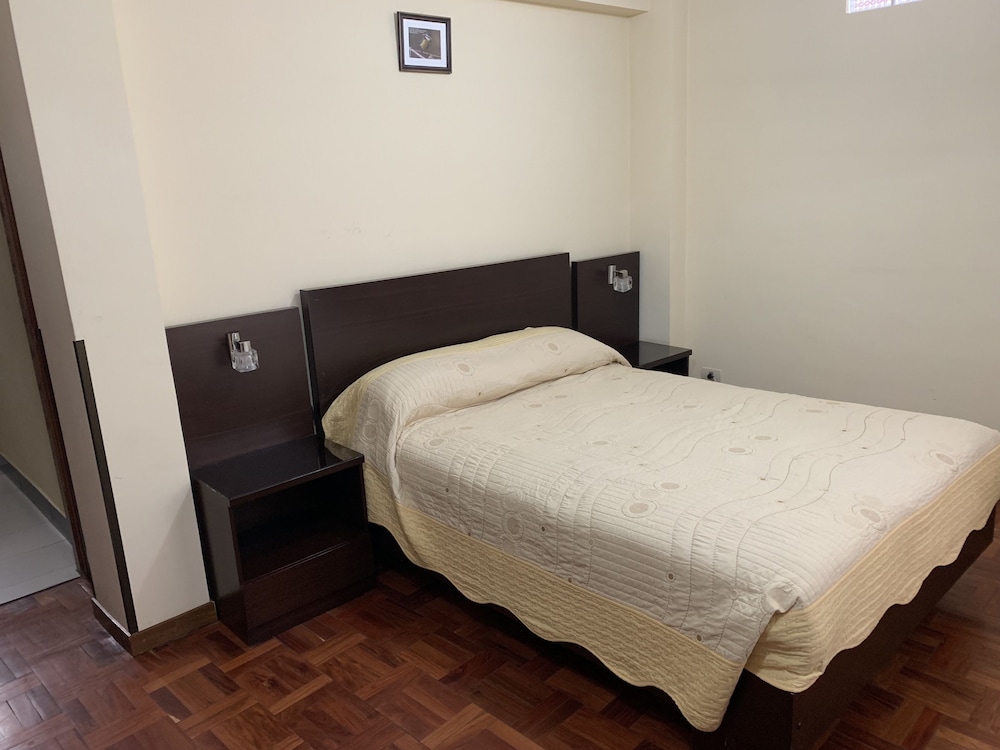
There are two workable answers. The adventurous one is a hospedaje room in Aguanqueterique or Lauterique — expect $10 to $18 a night, a fan rather than air conditioning, cold water, a shared or basic private bathroom, and a padlock on the door. Bring your own towel, a sheet, insect repellent and a torch. If you take this option, ask at the alcaldía or the pulpería on the plaza when you arrive; rooms here are often above a shop and are not listed anywhere online.
The comfortable answer is to treat the south as a long day loop and sleep both nights in La Paz Centro, where rooms run $25 to $45 with reliable hot water and secure parking, and to accept two hard driving days rather than one. I would take the hospedaje if travelling with one companion and the La Paz base if travelling with a family or anyone who needs a proper shower. Either way, book the La Paz room before you go south — arriving back at 7pm to hunt for a bed is the avoidable mistake.
Day two: the Goascoran valley and the return
Start at 6.30am to use the cool hours. Aguanqueterique's morning is the best hour of the trip: cattle moving, the plaza swept, women grinding maize, and light that flatters the dry hills. Spend it on foot. Mid-morning, drive out toward the Goascoran drainage — riverside spots where the water still runs in March are where local families go to wash and swim, and the etiquette is to ask before you park or photograph. Bring the water you need; the pulperías carry soda and little else.
Turn north by 11.30am at the latest. The return climbs steadily, and you will want the daylight buffer for a puncture. Aim to be back in Cane by 3pm and La Paz Centro by 3.30, which leaves time for a proper meal, a shower and a beer on the plaza. If your flight out is from Palmerola, that is a further 35 to 45 minutes north, so you can even connect the same evening — but do not plan a departure before mid-afternoon on the day you drive out of the south.
Season, heat and what will actually catch you out
December to February is the window: dry roads, daytime highs around 30 to 32 degrees, cool enough at 6am for walking. March and April are punishing — the corredor seco lives up to the name, the hills go brown, dust hangs on the road behind every vehicle, and afternoons in the mid-30s make town walking miserable. May through October brings the rain, and with it the fords, the mud and the risk of a two-day wait for a river to drop. If your only window is the wet season, do this trip another year.
The practical hazards are dehydration, sunburn and fuel. There is no reliable pump between Cane and the far south, so fill up before leaving and carry a spare five-gallon container if you plan to detour. Mobile signal is patchy to non-existent for long stretches. Tell a person in La Paz Centro your route and your expected return time. None of this is dramatic — it is the same discipline any rural Honduran driver uses without thinking about it.
What to skip, and who should not come
Skip the idea of combining the south with Marcala in the same trip. They are opposite ends of the department, connected only by long indirect roads, and pairing them turns a two-day route into four days of driving. Skip, too, any expectation of hiking trails, signage, visitor centres or guides — none of that exists here, and the walking you do will be on roads and cattle paths. If you want organised nature, the cloud forest reserves in the north-west of the department are the place.
Do not bring small children, anyone with a bad back, or anyone who will be unhappy without air conditioning. Do bring a genuine interest in ordinary rural Honduras, a functional level of Spanish, and patience with three-hour stretches where the entertainment is the landscape. That said, this is the most memorable two days I have had in the department, precisely because nothing has been arranged for visitors. If that reads as a warning rather than a pitch, believe the warning and go west instead.
Before you book
The questions people ask about La Paz, answered with this month’s numbers.
Yes, but slowly. Pickups and small buses run from La Paz Centro and Cane on schedules built around market mornings, typically leaving the towns at dawn and returning early afternoon. Expect $3 to $6 a leg, standing room, and one departure a day on some routes. Budget three days rather than two if you go this way.
Effectively no. Plan on comedor almuerzo — beans, rice, tortillas, cuajada, sometimes stewed chicken or beef, $3 to $4 — served roughly 11am to 2pm and then gone. Pulperías sell crackers, soda, rosquillas and bottled water. Carry your own fruit and snacks from the La Paz Centro market before you head south.
Marcala sits near 1,300 metres and runs 18 to 24 degrees by day with nights around 12. The southern municipalities are far lower and routinely reach 32 to 36 degrees in March and April, with nights near 22. If you are basing in the highlands, pack a second, lighter set of clothes just for the two days south.