Tepanguare: where to sleep in and around it
 Track climbing through maize and pine toward the scattered houses of Tepanguare in the La Paz highlands
Tepanguare has no hotel, no cash machine and no restaurant, so the practical answer sits 20-40 minutes away and costs $12-45 depending on which way you turn.
Start with the honest position
Tepanguare is a scattered rural settlement in the hill country of La Paz rather than a town with a hotel strip, and no amount of searching will turn up a bookable room there. What exists is farmland, houses spread along a track, a school, a chapel and a pulpería or two. If a website offers you a hotel in Tepanguare, it is really offering you something on the paved corridor a good drive away and hoping you will not check. Knowing that before you book saves an expensive misunderstanding at 6pm.
So the useful question is not where to stay in Tepanguare but where to sleep in order to spend a day there. Two answers work. The nearer one is a roadside room in San Pedro de Tutule, on the paved La Paz to Marcala highway, at $12-20. The farther, comfier one is La Paz Centro at $20-45 or Marcala at $25-60. Which you choose depends entirely on whether you have a vehicle and how early you want to be on the hill track.
Option one: San Pedro de Tutule, $12-20
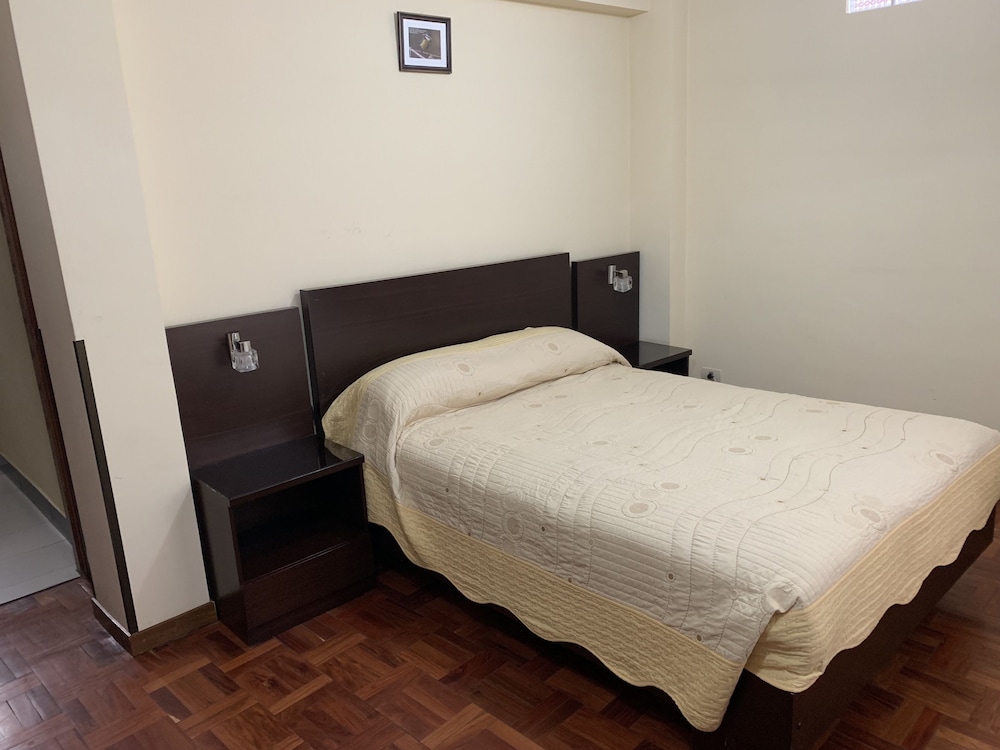
Tutule sits on the paved corridor and is the closest place with beds that take walk-ins. Rooms are plain hospedaje standard: fan, shared or basic private bathroom, cold to lukewarm water, cash only, no card terminal. The gain is proximity and an early start; the loss is noise, because the highway is the main street and heavy vehicles move from around 4am. Ask for a room at the back of the building and carry earplugs. Dinner is whatever a comedor still has at 6pm, so eat your main meal at midday.
This is the option I would take if my plan involved being on the track above town at first light, walking, and coming back down mid-afternoon. Total cost for a person: $15 for a room, $6-8 for two meals, a couple of dollars for transport. Under $30 for the day. It is the cheapest workable base and it puts you inside the same weather and the same hills, which matters in the rainy months when a distant base can be cut off by an afternoon downpour.
Option two: La Paz Centro, $20-45
La Paz Centro is the departmental capital and the practical answer for most visitors: several hotels rather than one or two, parking behind gates, cash machines, pharmacies, a hospital, a market and buses in every direction. Rooms in the $20-45 band come with private bathrooms, usually hot water at the upper end, and wifi that will hold a video call. If your day includes anything administrative, medical or financial, or you simply want to arrive after dark without anxiety, this is where you sleep.
The cost is the drive: a paved run out along the Marcala corridor, then a turn onto gravel for the last stretch to the settlement, so an hour or more each way once you allow for the hill. Do it as a day trip with your own vehicle and leave by 7am. Doing it on public transport from here is possible but pushes you to catch an early bus out and gamble on an afternoon ride back, which is a bad gamble in October and only a fair one in February.
Option three: a room in a house, arranged in person
The third possibility is what people who actually stay in places like this do: ask. In the settlement itself and in the hamlets along the track, families sometimes rent a room for a night at $10-15, occasionally with dinner and breakfast for a couple of dollars more. This is arranged face to face, in daylight, ideally through an introduction from a teacher, a shopkeeper or the nearest municipal office. It is not a service you can book, and it is not something to assume will be available on the day you turn up.
If you go this route, arrive by mid-afternoon, be clear about how many nights and what you will pay, bring small notes, and bring your own torch, water and something to contribute to the kitchen. The reward is the only way to be here at dawn and dusk, which is when the hills look like the reason you came. The risk is arriving at 5pm with nothing arranged, in which case you drive back to Tutule in the dark on gravel, which nobody enjoys.
What there is to do once you are there
This is farming country: maize, beans, pasture, coffee on the better-drained slopes, pine on the ridges. The activity is walking the tracks between hamlets, which climb and drop enough to be genuine exercise, with long views over the valleys on clear mornings. Between November and February the air is dry and sharp and the visibility is excellent; by April the haze from field burning cuts it. Nothing is waymarked, so navigate by asking, and download offline maps before you leave the paved road because signal comes and goes.
Do not come expecting a viewpoint with a railing, a café, a museum or a guide for hire. The pleasures are small and specific: tortillas cooked on a comal, the sound of a wet mill in December, a pickup driver telling you which fork goes where, kids walking to school in uniform along a track that a car would struggle with. If that sounds thin, this is not your destination and Marcala or La Paz Centro will serve you far better.
Getting there, and the wet-season warning
From the paved La Paz to Marcala road, the last stretch is graded gravel with climbs, and any vehicle with clearance handles it comfortably from December to April. Public transport is pickups and minibuses serving the hill communities early in the morning from the corridor towns, at a couple of dollars a leg, thinning out by early afternoon. Ask at the loading point in Tutule the day before, because the departure you need may be at 5.30am and may not run at all on a Sunday.
In September and October the same track becomes a different proposition: greasy clay, ruts, and streams across the road after a heavy afternoon. Low cars should not attempt it, and even a pickup can lose an hour. Plan hill days in those months for the morning, be back on pavement by 2pm, and accept that some days simply do not happen. If your trip falls in that window and you only have one shot, spend it on the Marcala side where more of the road network is paved.
Verdict: Tutule for the early start, La Paz Centro for everything else
If your only reason for being in this part of the department is to walk the hills around Tepanguare on a dry-season morning, book a $15 room in San Pedro de Tutule, ask for the back, eat lunch at midday and take the 6am pickup. That is the cheapest, most efficient version of this trip and it costs under $30 a day. If you want a hot shower, a bank, a choice of dinner and a room you can reserve in advance, book La Paz Centro at $20-45 and drive up for the day.
What I would not do is build a multi-night itinerary around the settlement itself. There is no accommodation base, no food supply and no transport frequency to support it, and a traveller who tries will spend more time solving logistics than looking at the country. Treat Tepanguare as a half-day or full-day excursion from a proper base, bring cash, water and a torch, and it will be one of the more memorable days of a La Paz trip precisely because nothing has been arranged for you.
Before you book
The questions people ask about La Paz, answered with this month’s numbers.
No. It is a rural settlement of scattered houses, farms, a school and a chapel, without a hospedaje, restaurant, bank or card terminal. The nearest walk-in rooms are on the paved corridor in San Pedro de Tutule at $12-20, with a wider choice in La Paz Centro at $20-45.
Yes, with your own vehicle in the dry season. Allow an hour or more each way, paved highway then graded gravel, and leave by 7am so you are back on pavement before the afternoon. By public transport it is a gamble, since the return pickups mostly finish by early afternoon.
Small-denomination cash for a room and food, a torch, a warm layer for nights that drop toward 13-15 degrees in December and January, water or purification, offline maps, and basic snacks. Pulperías stock staples only, and nothing here takes a card or breaks a large note easily.