Where to stay in Aguanqueterique, La Paz
 Dry forest and cattle country in the hot Goascorán basin around Aguanqueterique, La Paz
Aguanqueterique is the hot, dry end of La Paz, where rooms cost $10-15, April afternoons hit the mid-30s, and water can be rationed to certain hours.
A completely different La Paz
Most visitors picture La Paz as cool pine highlands and coffee, which is the Marcala side. Aguanqueterique is the other department entirely: low, hot, dry country in the Goascorán basin in the far south, with cattle, dry tropical forest, seasonal streams and a landscape that goes gold and dusty from February onward. Days in March and April run into the mid-30s and the shade under a guanacaste tree is the local air conditioning. If you have been in the highlands for a week, the temperature change on the drive down is startling.
Who this suits: people working here, cattle buyers, ranchers, cyclists riding the southern circuits, and travellers who specifically want dry forest and small-town life with zero tourism overlay. Who it does not suit: anyone chasing the department's headline sights, anyone who suffers in heat, anyone with a tight schedule and no vehicle, and anyone who needs a hotel with a reception desk. Nothing here is set up for visitors, which is precisely the appeal for a small number of people and a problem for everyone else.
The price of a night, and what it includes
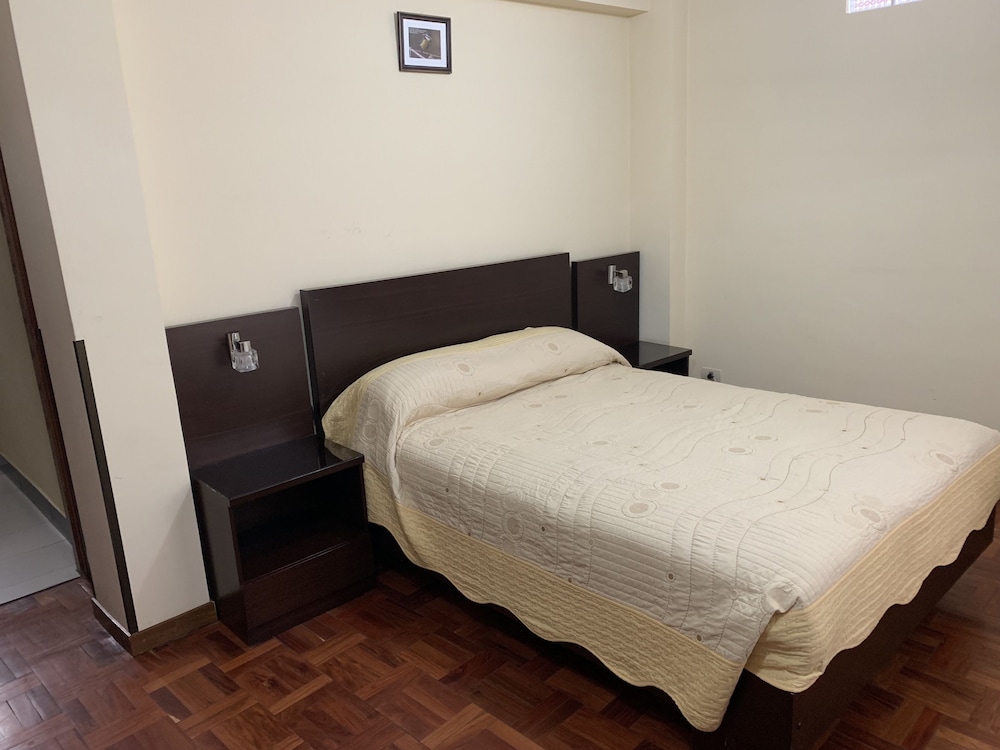
A room runs $10-15, sometimes $18 if a family has fitted a private bathroom and a decent fan. That is the department's floor, below San Pedro de Tutule at $12-20, well below La Paz Centro at $20-45 and Marcala at $25-60. What that pays for is a bed, sheets, a fan that matters more than any other fitting in the building, a shared bathroom, and a bucket for the hours when the tap is dry. Nobody accepts cards, nobody issues receipts, and nobody is on a booking platform.
The fan is the thing to check before you agree to anything. At these temperatures a room with a fan and a window that opens is worth $5 more than a cooler-looking room with neither. Ask about power cuts too, because a fan without electricity is furniture. Total daily spend for one person, room and three modest meals and a couple of bus legs, comes in around $22-28. Bring $80-100 in small notes for a three-night southern loop and you will not run short.
The beds that exist
Type one: a family hospedaje near the square with two to five rooms, used by traders, teachers and agricultural technicians. Ask at a pulpería or the alcaldía in office hours; the answer is usually a name and a direction rather than an address. Type two: a room in a private house on the same terms, often with meals for a couple of dollars extra, and generally the better experience because someone is cooking. Both are cash, both are walk-in, both are best secured before 4pm.
Type three: group space in a church or school hall, by arrangement, which is how brigades and work teams sleep. Type four: a hammock or tent on a farm with permission, which is genuinely pleasant here in December and January when nights cool to the low 20s, and unpleasant in April when they do not cool much at all. What to skip: any plan that involves arriving after dark with nothing agreed. There are no lit signs, and a strange vehicle circling a small town at 8pm is nobody's idea of a good introduction.
What is within walking distance
The square and its edges: the church, the alcaldía, pulperías, a comedor or two doing a fixed plate for $2.50-4, a barber, a hardware and feed counter, and the loading point where pickups and minibuses gather. Add the football field and the school and you have walked the town in twelve minutes. Life happens early and late: from roughly 11am to 3pm in the dry season, the streets empty out because the heat makes any errand a bad idea, and the shade under the trees on the square fills up.
Out of town, the walking is cattle tracks and dry riverbeds through thorn and deciduous forest that drops its leaves in the dry season, which makes it far easier to see birds and far hotter to walk in. Go before 8am, carry two litres of water per person, and wear a hat. Ask locally about the nearest permanent water, since a stream marked on a map may be dust in April. There are no trails, no guides for hire and no shade shelters, so route yourself conservatively.
The heat and water calendar
March to May is the hot, dry peak: afternoons in the mid-30s, hazy air from field burning, dry watercourses and municipal water often rationed to set hours in the morning or evening. Fill every container when the tap runs. June to October brings the rains, which cool things a little, green the whole landscape spectacularly, and turn the access roads to mud. November to February is the sweet spot: warm days in the high 20s, tolerable nights, roads at their best after the rains have finished and before the dust takes over.
Plan around that honestly. If you are coming to walk, bird or cycle, come in December or January. If you are coming for work, accept April and book a room with a fan, drink more than you think you need, and do your business before 10.30am. If you are coming in September, bring a vehicle with clearance and a flexible day, because a single afternoon storm can put a stream across the road you came in on and hold you overnight.
Getting here without losing a day
From La Paz Centro, the southern route runs 70-90 kilometres depending on which way you thread it, mostly on secondary and gravel roads, and three to four hours is realistic. The alternative many drivers prefer is to run south from Tegucigalpa on the CA-5 and turn west into this dry country on the secondary roads, which is longer on the map and kinder to the vehicle. Either way, fill the tank before you commit, because fuel down here is informal, expensive and sometimes simply unavailable.
Public transport is minibuses and pickups on an early-morning rhythm, a few dollars a leg, with the outbound flow toward the market towns in the morning and the return in the middle of the day. If you arrive at 2pm you are staying. This is the single planning fact that catches visitors out across the whole south of the department, and it is why I recommend two nights rather than one: a single night means arriving tired and leaving at dawn, having seen nothing but a room.
Verdict: two nights, in January, with a vehicle
The version of this trip that works is a southern circuit in the dry cool season with your own pickup or a hired one with a driver: two nights based here at $12-15, mornings walking or riding in the dry forest before the heat, afternoons on the square, and a day looping through the neighbouring southern municipalities. Total cost for two people over three days including fuel is modest by any standard, and you will be one of very few outside visitors in town.
The version that does not work is trying to do this from a highland base in a weekend, or coming in April without a fan and a plan for water. If you have four days in La Paz and want the best of the department, spend them in the west around Marcala and skip the south entirely. Come here on a second visit, when you have already seen the coffee country and want to understand how different the same department looks 1,000 metres lower down.
Before you book
The questions people ask about La Paz, answered with this month’s numbers.
March to May afternoons commonly reach the mid-30s in this low, dry basin, with hazy air from field burning and nights that stay warm. November to February is far more comfortable, with high-20s days. If you are sensitive to heat, plan your visit for December or January and be out walking before 8am.
Not reliably. In the March to May dry peak, municipal supply is often rationed to certain hours, and rooms keep a barrel and bucket for the gaps. Fill bottles and containers whenever the tap runs, expect a bucket wash rather than a shower, and treat or buy drinking water rather than trusting the tap.
Three to four hours for 70-90 kilometres, mostly secondary and gravel roads, and longer after heavy rain in September and October. Some drivers instead run south from Tegucigalpa on the CA-5 and cut west, which is farther but easier on a vehicle. Fill the fuel tank before leaving the main roads.
Not sensibly. With three to four hours each way and public transport that mostly finishes by early afternoon, a day trip means seeing a road. Budget two nights at $10-15 a night, arrive before 4pm, and combine it with neighbouring southern municipalities into a single loop.