Where to stay in Cane, La Paz — and when to book La Paz Centro instead
 Quiet church and plaza in a small town beside the highway west of La Paz
Cane sits about 7 km from La Paz Centro on the Marcala road, and a room here runs $12 to $25 against $25 to $45 in town — here is exactly when that trade is worth making.
Who Cane suits
Cane is one of the smallest municipalities in the country by area, a compact farming town on the highway that runs southwest from La Paz Centro toward San Pedro de Tutule and Marcala. It suits three groups. Drivers who want to be pointed at the Marcala road at six in the morning without threading out of La Paz Centro first. Cyclists riding the long climb west, who like starting the day already outside town traffic. And visitors with family or business here, which is honestly the largest category — this is not a place with a visitor economy.
It does not suit anyone without transport who wants an evening. There is no restaurant that will still be cooking at nine, no bar worth the walk, no cash machine, and the choice of rooms is tiny enough that if the one you found is bad you are getting in a vehicle anyway. If you want to walk out of your hotel to dinner and a supermarket, La Paz Centro is fifteen minutes away and does all of that for $25 to $45. Cane earns its keep on quiet and position, not on facilities.
The 7 km that define the place
Everything about Cane follows from being close to La Paz Centro but not in it. The drive between the two is ten to fifteen minutes on paved road, and buses toward Tutule and Marcala pass through frequently through the day — roughly every half hour at peak times, less often after four in the afternoon. A short hop into La Paz Centro costs around $0.50 to $1; the full run through to Marcala is in the $2 to $4 range and takes an hour and a half to two hours depending on stops. That means you can sleep cheap here and shop, bank and eat in town.
The flipside is the timetable. Buses thin out sharply in the evening and the last ones through are earlier than visitors expect, so if you are relying on public transport and you linger over dinner in La Paz Centro, you are paying for a taxi back — budget $6 to $10 and agree it before you get in. Anyone with their own vehicle simply ignores all of this, which is why Cane makes far more sense as a base for drivers than for anyone else.
Beds and what they cost
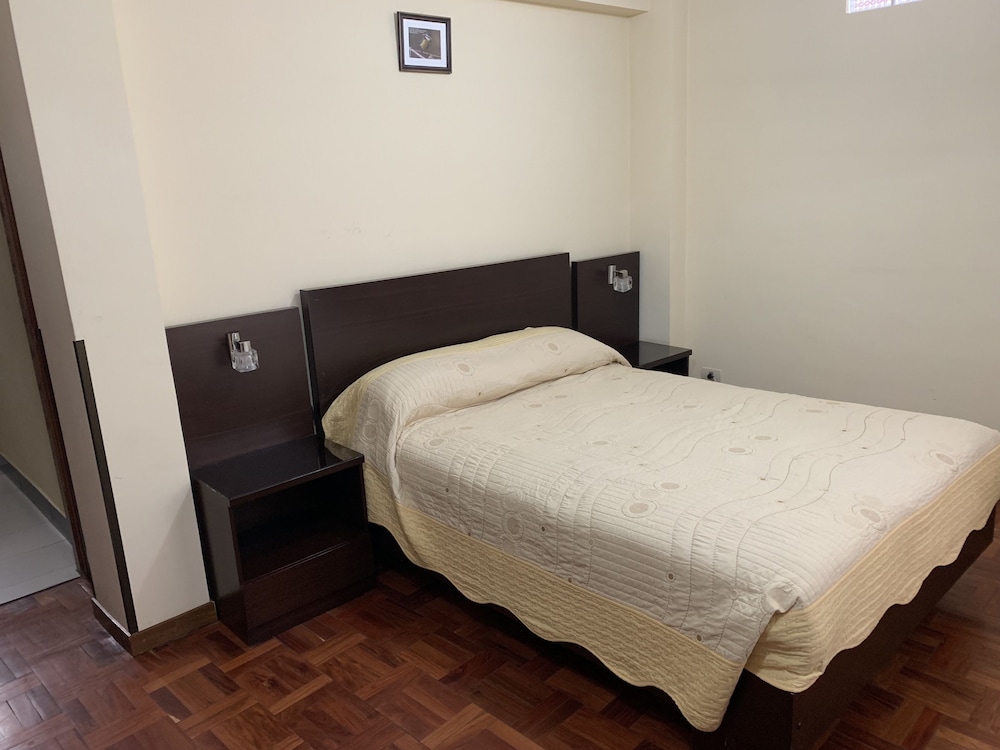
There is no hotel district here. What exists is a handful of rooms: a plain hospedaje or two near the road, rooms let in family houses, and occasionally something attached to a business on the highway. The band is $12 to $25 a night, cash, with a fan, a cold or lukewarm shower, thin bedding suited to the mild elevation, and parking that is a yard rather than a car park. Nothing is listed online, so you arrange it by asking at a pulpería or the alcaldía, or by phoning a number someone gives you.
Set that against La Paz Centro at $25 to $45 for a room with reliable hot water, Wi-Fi that holds a video call, secure parking and a receptionist who is awake late. The saving is roughly $15 a night — real money on a two-week trip, meaningless on two nights. My rule: if you are staying three nights or fewer, or if you need to work in the evening, take the La Paz Centro room. If you are here a week on a low budget with your own vehicle, Cane is defensible.
What is within walking distance
The town is small enough to cross in ten minutes. Around the plaza you have the church, the alcaldía, a school, several pulperías, a comedor or two and a couple of bakeries; the football field sits on the edge and is where the town gathers late afternoon. Meals are $3 to $4.50 for beans, eggs, cuajada, rice with chicken or beef, and hand-made tortillas; a baleada from a stand is $1 to $2. Eat by seven, because the kitchens are cooking for people who start work at dawn, not for travellers.
Walk beyond the last houses and you are straight into farmland — maize and beans on the flat, cattle on the slopes, coffee higher up on the ridges to the west — with the hills that carry the Marcala road rising ahead of you. An hour's loop on the farm tracks at dawn is genuinely pleasant, and at this elevation the mornings are mild rather than cold. There are no marked trails, no visitor centre and nothing signposted, so ask before you take a track that crosses someone's land.
Using Cane as a base for the rest of the department
From here, Marcala and the coffee country are an hour and a half to two hours west by the highway, which makes a day trip long but feasible if you leave by seven. San Pedro de Tutule is much closer and sits on the same road, useful as a stop rather than a destination. La Paz Centro is the practical hub for banks, pharmacies, the market and any repair you need. Tegucigalpa is roughly two hours east via the CA-5, and the airport at Palmerola in the Comayagua valley is around forty-five minutes to an hour by car.
That airport proximity is the strongest single argument for sleeping on this side of La Paz. If you land in the afternoon and want to be on the road toward Marcala at first light, a cheap room out here saves you an hour of town traffic and gets you moving before anyone else. If your flight is an early departure instead, do the same thing in reverse. For everything else — nightlife, dinner, working online, a pharmacy at nine at night — you will be driving into La Paz Centro anyway.
Food, cash and supplies: plan around La Paz Centro
Do your serious shopping in La Paz Centro. Cane's pulperías cover water, bread, eggs, soap, batteries and the basics, but for a supermarket run, a pharmacy with a proper counter, a hardware store or anything for a child, you are heading into town. There is no bank branch or cash machine you should count on here, so draw cash in La Paz Centro and keep small notes — a $3 lunch at a comedor cannot be paid with a large bill, and card terminals are essentially absent outside the town centre.
Fuel up in La Paz Centro too, before heading west: the stations become sparse once you climb toward Tutule and Marcala, and running low on that road is a bad afternoon. If you are cooking for yourself, the La Paz Centro market is at its best in the morning, with highland vegetables, cuajada and local coffee at prices no supermarket touches. Bring the perishables straight back — most rooms out here have no fridge and mid-afternoon temperatures sit comfortably in the high twenties.
The decision, stated plainly
Book Cane if you are driving, staying four nights or more, watching every dollar, and you value quiet and an early exit onto the Marcala road over having dinner within walking distance. Book Cane also if a family connection or a job puts you here — that is the honest majority of people who sleep in this town. In those cases the $12 to $25 room does what you need, and the fifteen-minute run into La Paz Centro covers every gap in the local supply of services.
Book La Paz Centro if any of the following apply: you have no vehicle, you need to work online in the evening, you want hot water without asking twice, you are travelling with children, or you are here for two or three nights only. The extra $15 a night buys reliability, and reliability is what short trips are actually paying for. Cane is a sound cheap base for the patient driver and a frustrating one for everybody else — that is the whole calculation.
Before you book
The questions people ask about La Paz, answered with this month’s numbers.
About 7 km, or ten to fifteen minutes by car on paved road. Buses running toward San Pedro de Tutule and Marcala pass through regularly during the day and charge roughly $0.50 to $1 for the short hop; a taxi back after the evening services stop will be around $6 to $10, agreed before you get in.
Not in the sense of a reception desk and an online booking. Expect a small hospedaje or a room let in a family house at $12 to $25 a night, cash, with a fan, cold or lukewarm water and yard parking. For hot water, Wi-Fi and a late check-in, book in La Paz Centro at $25 to $45 instead.
Only if you are driving. Marcala is an hour and a half to two hours west on the highway, which makes a day trip long but workable with a seven o’clock start. On buses you would spend three to four hours in transit and risk the return, so for a coffee-focused trip sleep in Marcala itself.
Roughly forty-five minutes to an hour by car via the CA-5 through the Comayagua valley. That proximity is the best reason to sleep on this side of La Paz: an afternoon arrival plus a cheap room here means you are on the Marcala road at first light without crossing La Paz Centro in traffic.